
Last updated August 27, 2026
Free in-home measure and quote - PGT, CGI and CWS impact lines compared on your actual openings, style by style
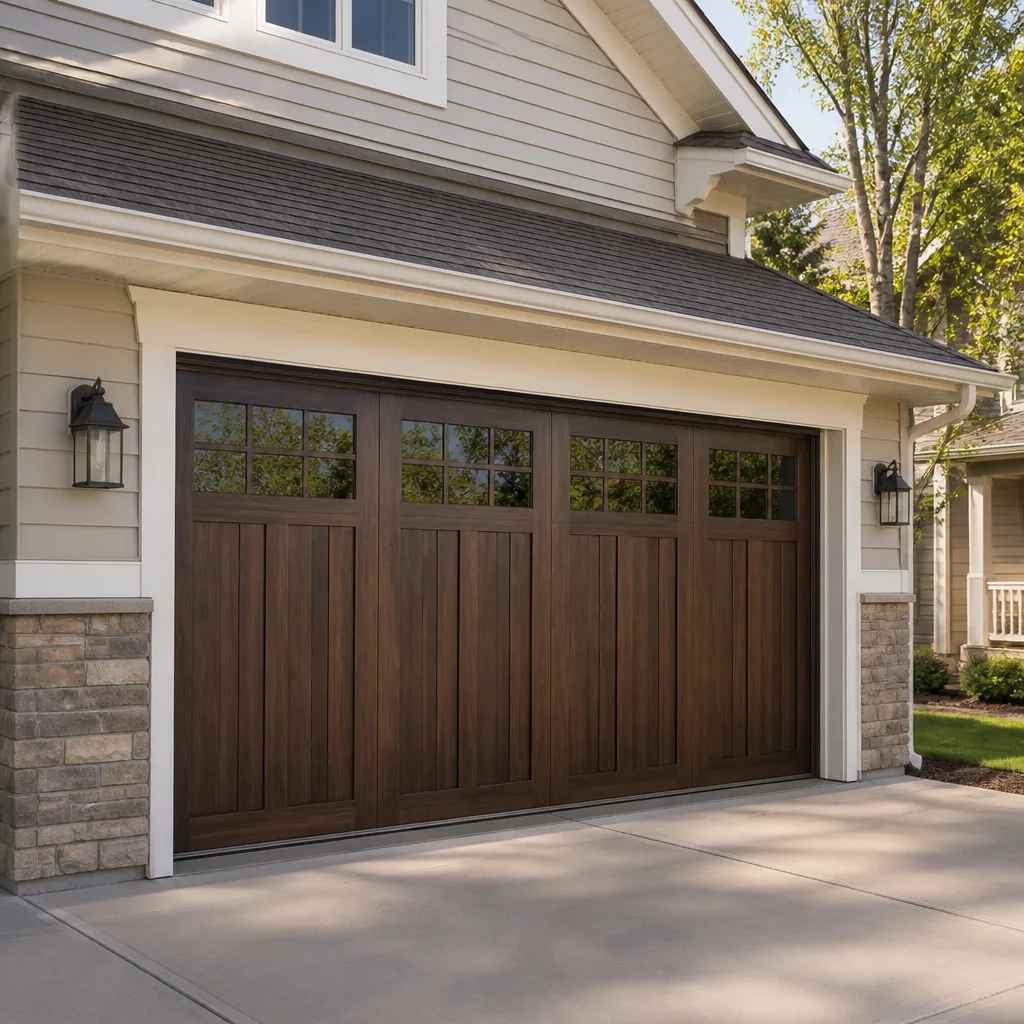
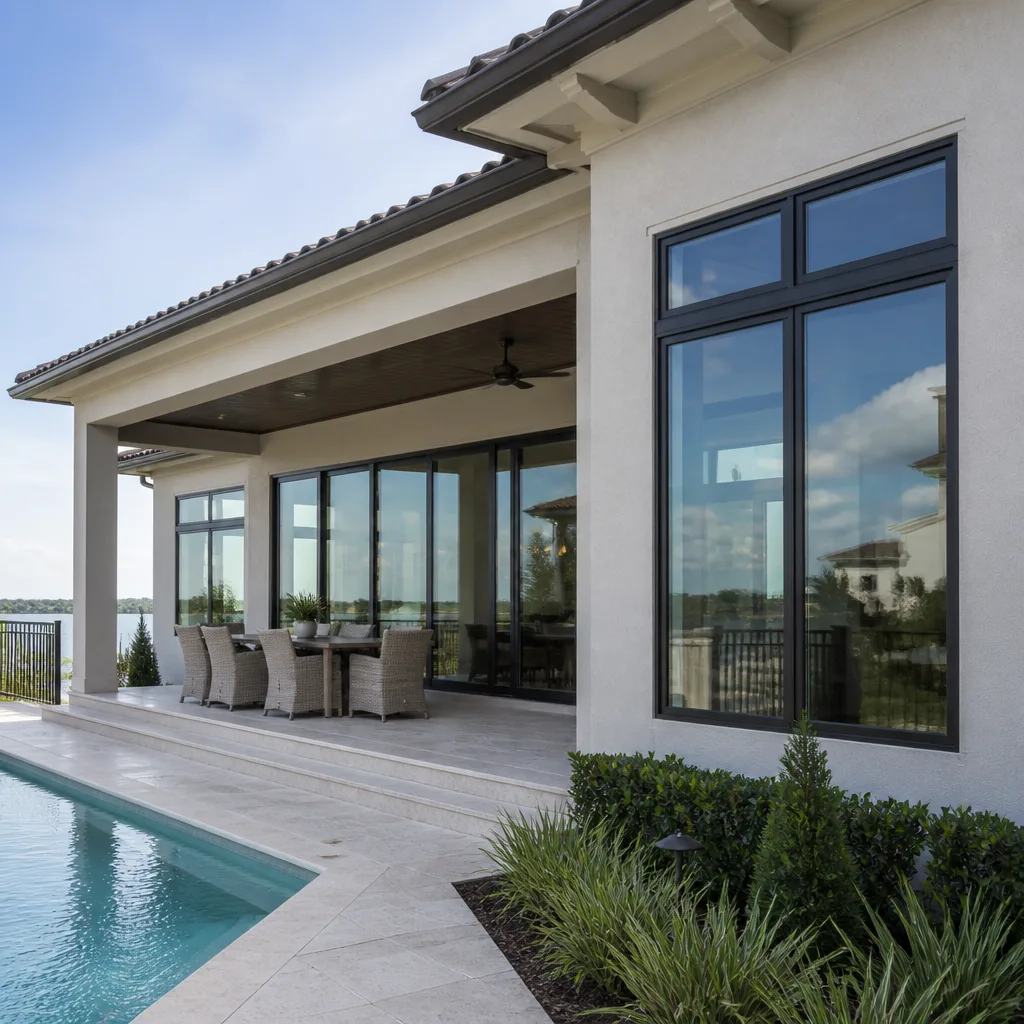
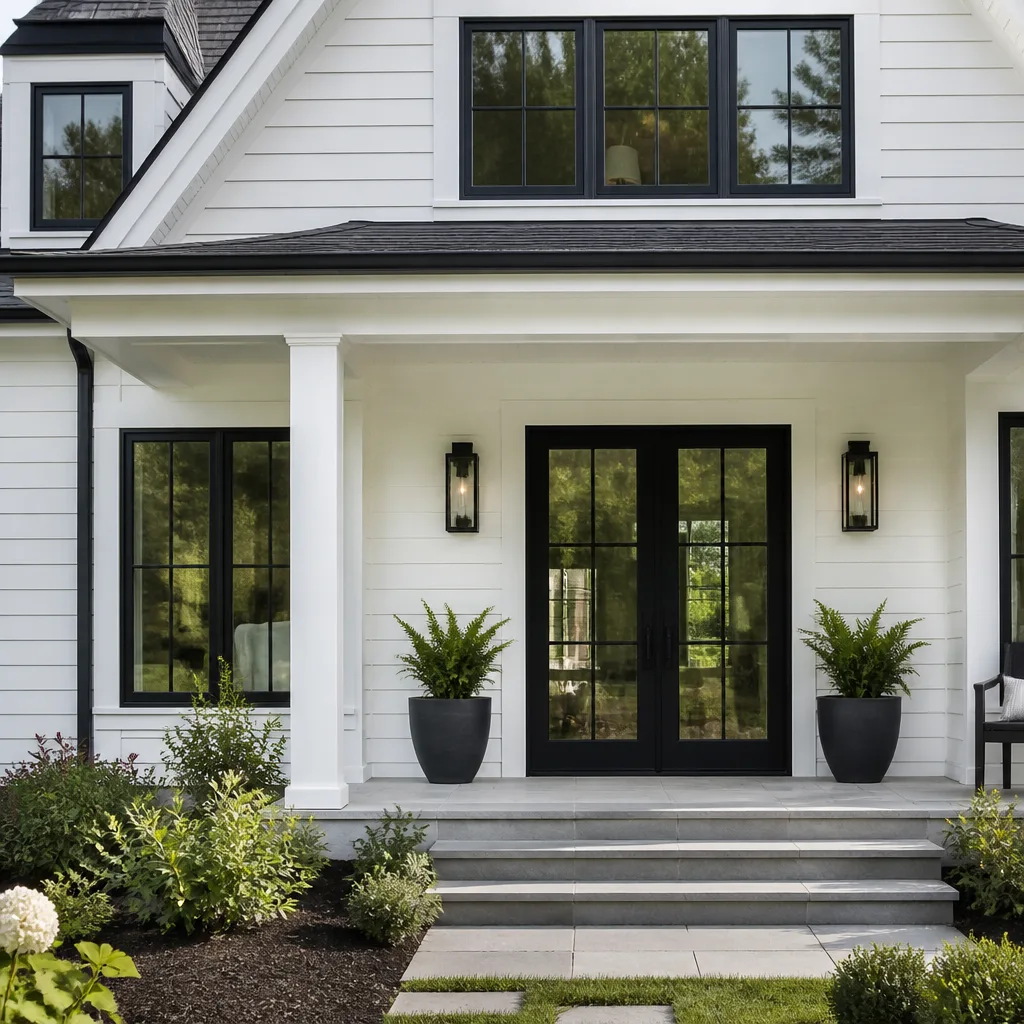
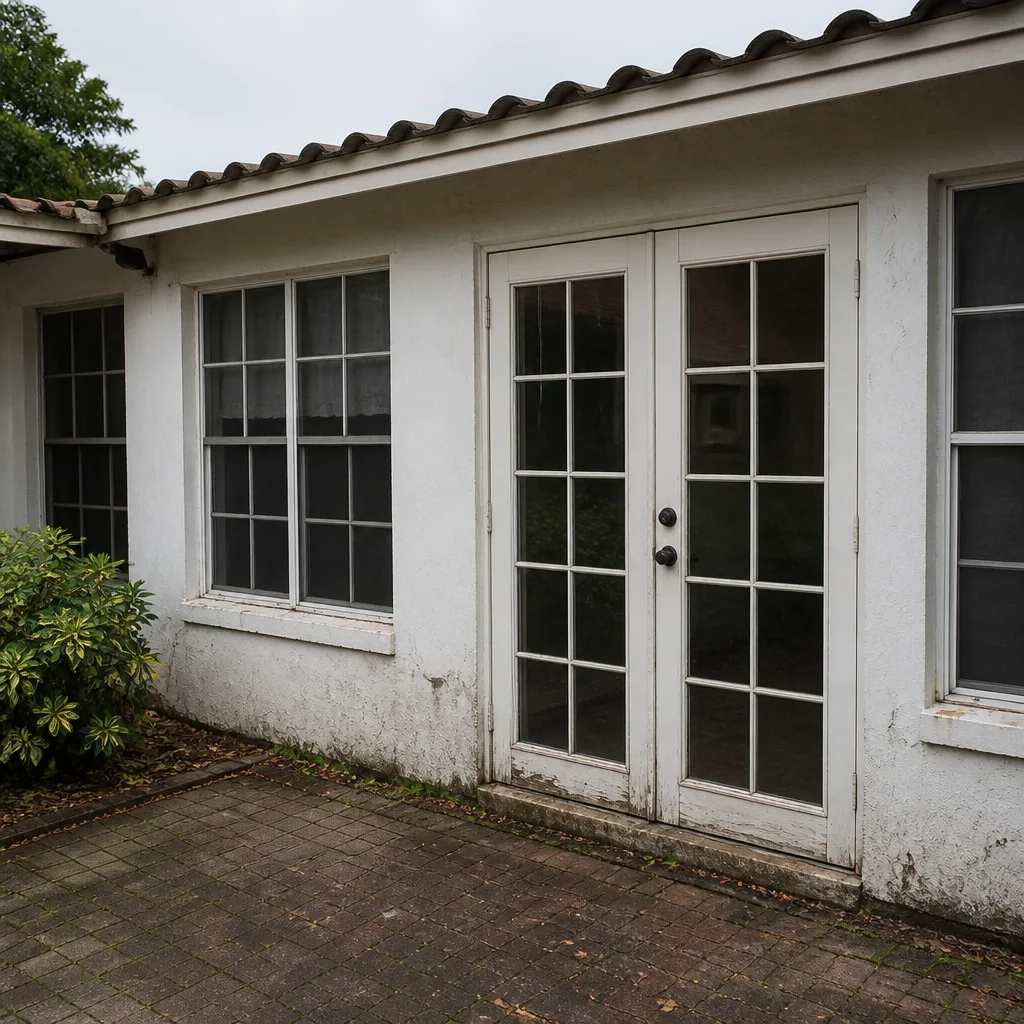 Before
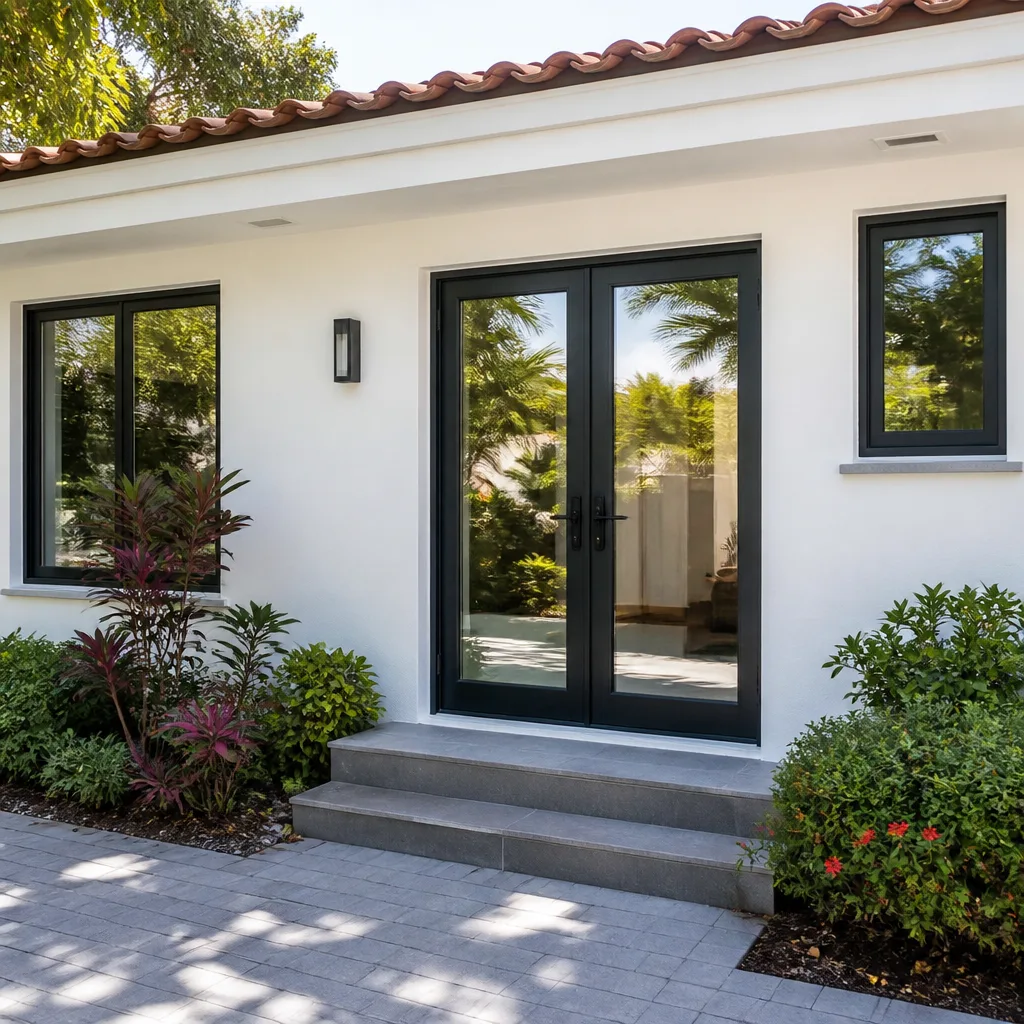 After
After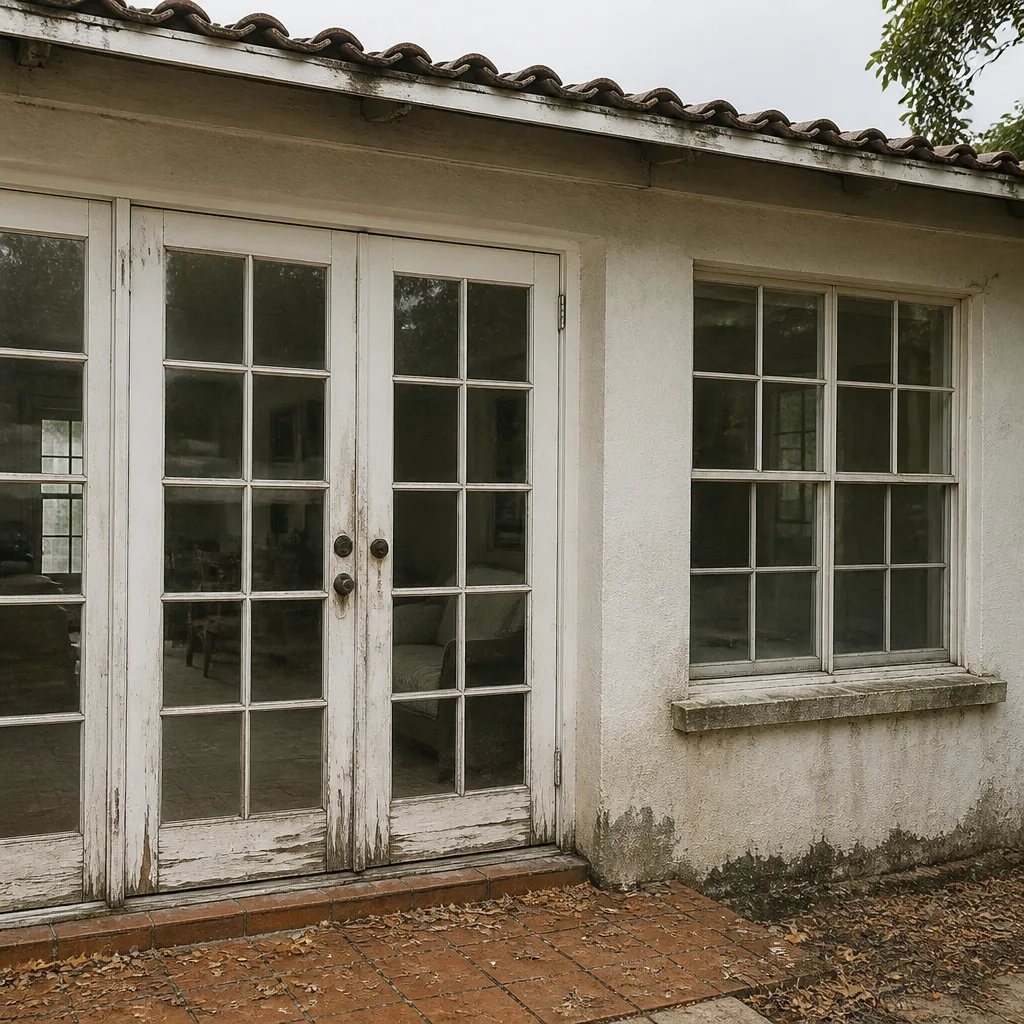 Before
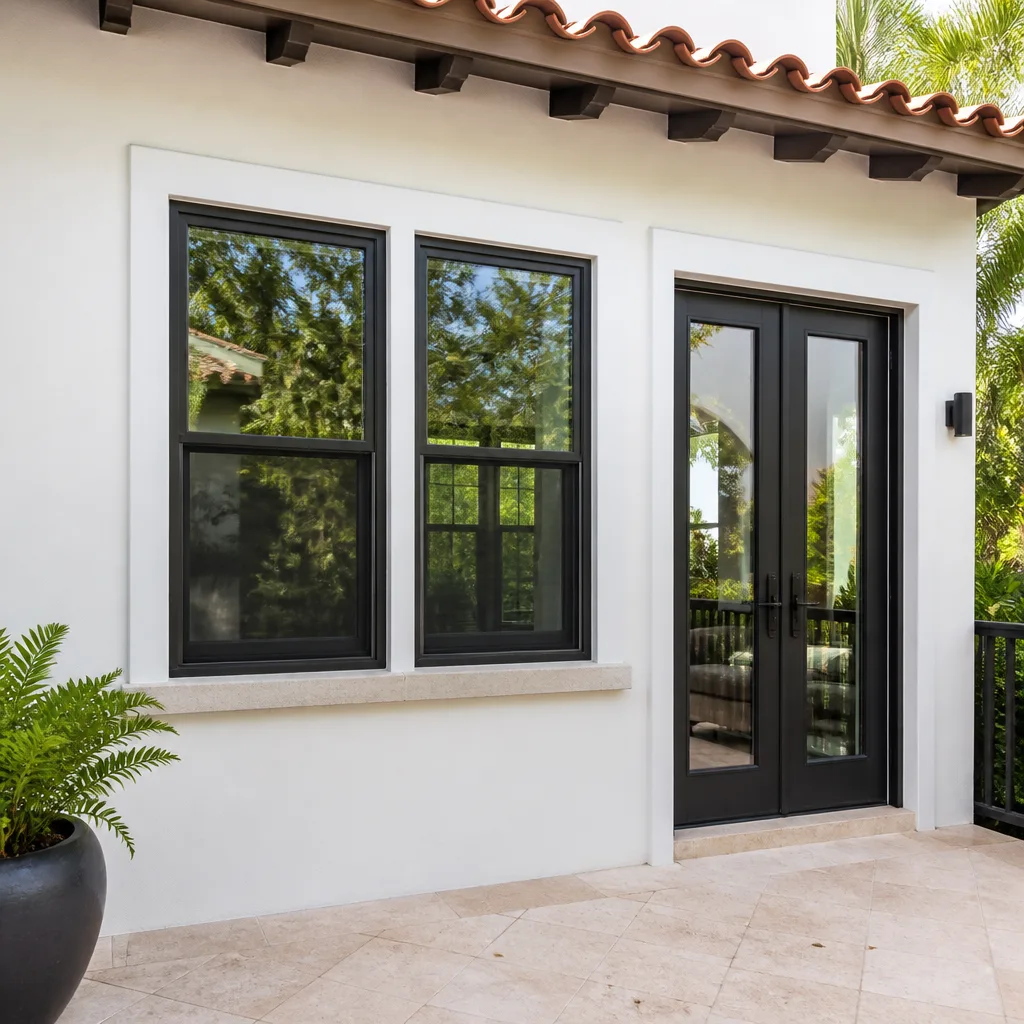 After
After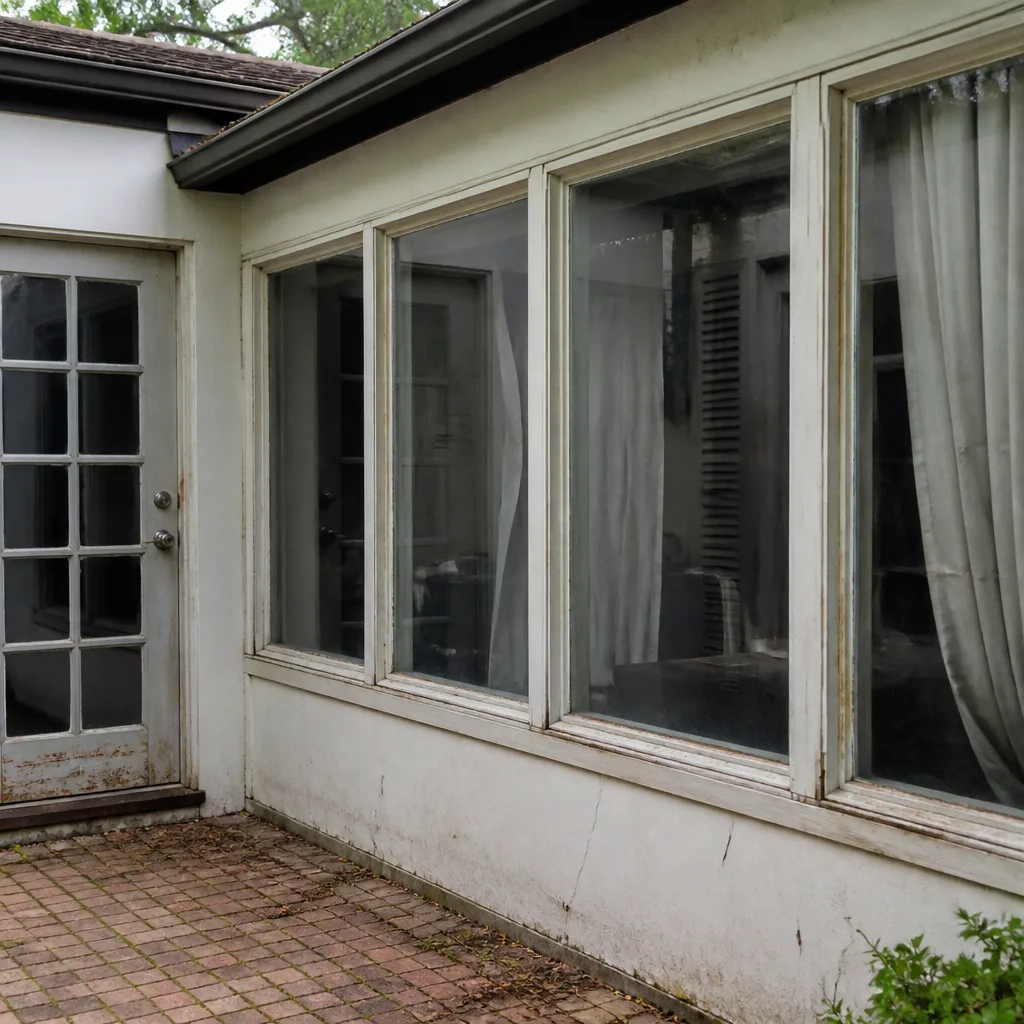 Before
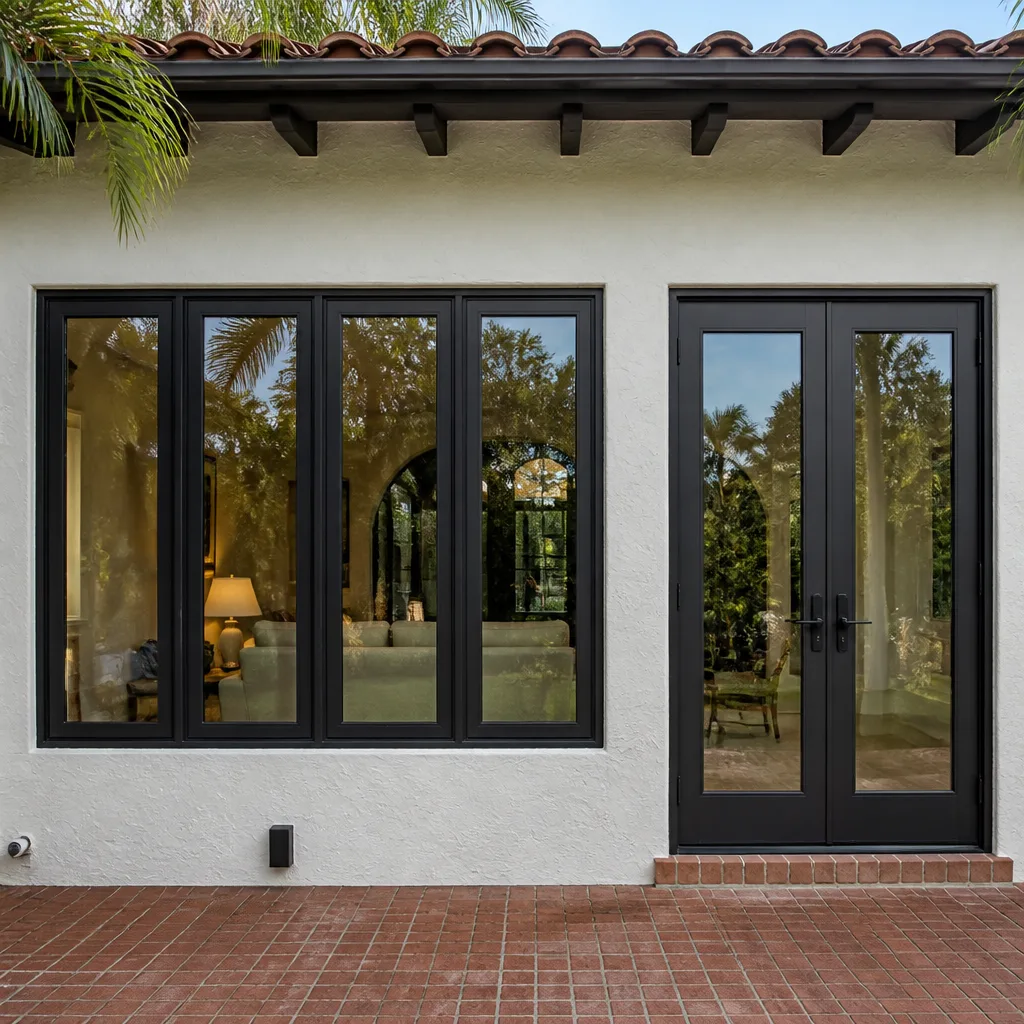 After
AfterThe Complete Guide to Windows & Doors in Coral Gables
Coral Gables has its own architectural review board that can reject window replacements that don’t match the home’s historic character - a fact most homeowners discover only after they’ve already signed a contract. The Mediterranean Revival facades, barrel-tile roofs, and arched entryways that give Coral Gables its identity are protected by some of the strictest zoning rules in Florida, and they apply to windows and doors just as much as to paint colors and rooflines. This guide is built around what Coral Gables homes actually demand: historic-district approvals, Miami-Dade impact standards, and materials that survive Biscayne Bay salt air. For DIY vs Professional Windows & Doors: The Coral Gables Homeowner’s Decision Guide, see our companion post. You’ll learn what the city requires, what products actually work here, and how to avoid the expensive mistakes we’ve watched neighbors make for over a decade.
Quick Answer
Windows and doors in Coral Gables must meet both Florida Building Code impact standards and, in many neighborhoods, the Coral Gables Board of Architects’ historic-preservation rules. Impact-rated windows from authorized Miami-Dade manufacturers like PGT and CGI are the practical standard, with aluminum or impact-rated vinyl frames performing best against Biscayne Bay corrosion. Expect to pay $900 to $2,800 per opening for compliant impact windows and $1,200 to $4,500 per door, installed, with historic-district approvals adding 2 to 6 weeks to the project timeline.
Table of Contents
- Why Coral Gables Has Rules Other Cities Don’t
- NOA vs. Florida Product Approval: What Actually Matters for Your Permit
- The Biscayne Bay Salt-Air Problem
- Matching Mediterranean Revival and Spanish Colonial Architecture
- A Realistic Coral Gables Project Timeline
- What Windows and Doors Actually Cost in Coral Gables
- Energy Efficiency Without Breaking Historic Character
- Common Mistakes to Avoid
- When to Call a Professional
- Frequently Asked Questions
- The Bottom Line
Why Coral Gables Has Rules Other Cities Don’t
Coral Gables was planned from day one. George Merrick laid out the city in the 1920s under a “City Beautiful” mandate, and that original vision still carries legal weight through the Coral Gables Zoning Code and the oversight of the Board of Architects. What that means for you as a homeowner: replacing a window or door isn’t just a building-code question, it’s an aesthetic one. The city can, and does, reject applications where the proposed replacement window or door doesn’t match the architectural character of the structure.
Most of Coral Gables falls under one of three regulatory layers:
- Citywide zoning standards that regulate window and door proportions, visible frame materials, and even acceptable glass tints in certain districts.
- Historic landmark designations for individual properties, where any exterior alteration goes through a Certificate of Appropriateness with the Board of Architects.
- Miami-Dade County impact requirements, which mandate that exterior openings resist wind-borne debris in the High-Velocity Hurricane Zone.
We’ve had clients in neighborhoods like the Biltmore and DeGarmo Estates who assumed standard white vinyl windows would sail through permitting, only to learn the city required bronze-anodized aluminum frames and a specific divided-lite pattern to match the original 1920s architecture. If you’re planning to replace windows in Coral Gables, checking your property’s historic status is step one, before you fall in love with a product line.
One more thing most guides miss: the city’s review process at peak season, typically October through March, can back up. Applications that cruise through in three weeks during summer may take eight weeks when the snowbirds arrive and every homeowner is trying to get work done before hurricane season.
NOA vs. Florida Product Approval: What Actually Matters for Your Permit
Coral Gables sits inside Miami-Dade County, which is its own High-Velocity Hurricane Zone, and the county runs its own product-approval system that is stricter than the statewide Florida Product Approval. Here’s the difference: a Notice of Acceptance (NOA) is issued by Miami-Dade County’s Building Code Compliance Office after a product passes the county’s specific impact and pressure tests. Florida Product Approval (FPA) is the statewide certification that may or may not meet Miami-Dade’s stricter standards.
Why this matters for Coral Gables specifically: if a product only carries FPA and not a Miami-Dade NOA, your permit application can be delayed or rejected. The city defers to county standards, and county inspectors will ask for the NOA number during plan review.
In practice, here’s what to look for:
- Ask your contractor or supplier for the specific product’s Miami-Dade NOA number, not just a generic “hurricane rated” claim.
- Verify the NOA is current and applies to the exact size and configuration you’re installing. NOAs are product-specific, even down to frame color in some cases.
- Confirm the installation will follow the manufacturer’s approved methods noted in the NOA document.
We install impact windows in Coral Gables from manufacturers like PGT and CGI, both of which maintain extensive NOA documentation. Mr-Glass and ECO Window Systems also carry Miami-Dade approvals that work well in the historic districts. The key takeaway: don’t accept “Miami-Dade compliant” as a verbal claim. Ask to see the paper.
The Biscayne Bay Salt-Air Problem
Coral Gables sits on the edge of Biscayne Bay, and that proximity creates a corrosion problem most national window guides simply don’t address. Salt-laden marine air accelerates oxidation on exposed metal hardware, weatherstripping channels, and frame corners, meaning products that perform well in Atlanta or Dallas degrade noticeably faster here.
Here’s what we’ve seen in the field over 14 years of working on Coral Gables homes:
- Untreated builder-grade aluminum shows pitting and white oxidation within 5 to 7 years, especially on canal-front properties and homes within a half-mile of the water.
- Roll-formed aluminum windows from big-box stores corrode at the screw bosses and weep holes first, leading to leaks that have nothing to do with the glass itself.
- Vinyl holds up structurally, but the UV exposure in South Florida fades and eventually embrittles lower-grade vinyl formulations. Impact-rated vinyl from PGT uses heavy-gauge walls and UV stabilizers that hold up measurably better.
- Hardware matters as much as frames. Stainless-steel rollers, hinges, and locks last years longer than zinc-plated or powder-coated steel, and the upgrade cost is usually small compared to a premature hardware swap.
For Coral Gables specifically, we recommend either marine-grade aluminum with a Class I anodized or high-performance painted finish, or thick-wall impact vinyl from a manufacturer that warranties coastal exposure. The frame material decision has more impact on how the window performs over time than almost anything else, including the glass package.
Matching Mediterranean Revival and Spanish Colonial Architecture
You can’t put a standard white double-hung from a big-box store on a Coral Gables Mediterranean Revival home without losing material value, and in historic districts you won’t get a permit for it anyway. The city’s architectural character codes recognize that windows and doors are the face of a home, not interchangeable commodities.
The dominant styles in Coral Gables call for:
- Awning and casement windows with horizontal emphasis, rather than tall single- and double-hungs. Many original Coral Gables homes used steel casement windows, and the city frequently asks for replacement profiles that echo that narrower sightline.
- Defined grille patterns that mimic true divided lites, not snap-in flat grids. The city’s reviewers can tell the difference.
- Wrought-iron detailing on exterior door hardware and some window guards, particularly on Spanish Colonial and Mediterranean Revival examples.
- Wood-look or bronze-tone frames rather than bright white. The original palette was warm: oiled bronze, deep browns, sometimes a dark olive or iron tone.
- Arched or radius-top openings on many front elevations, which eliminates most standard rectangular window options and pushes you into semi-custom territory.
- Product selection and site measurement (1 to 2 weeks). For historic homes, this includes matching existing profiles and confirming the city’s requirements for your specific district.
- Permit preparation and city submittal (1 week). The NOA documents, product drawings, and site plan all go to the city together.
- Board of Architects review (2 to 8 weeks, if required). The board meets publicly, and your application is heard in date order. There’s no expedite path unless the city deems the work an emergency.
- Manufacturing (4 to 10 weeks). Impact windows and doors are almost always made to order. Custom sizes, custom colors, and radius tops extend the longest.
- Installation (1 to 5 days per average home, often 2 weeks for full-home window packages). Full coastal impact replacements on a 3,000-square-foot Coral Gables home typically run 3 to 5 days, with interior and exterior trim completed as the crew goes.
- Final inspection (within 1 to 2 weeks of completion). County inspectors verify the NOAs match the installation and the anchoring meets approved methods.
- Low-E coatings with argon fill are invisible to the city’s reviewers and make a measurable difference in the air-conditioning load, which matters when your July bill from Florida Power & Light runs $400 or more.
- Impact double glazing kills two birds: the laminated glass resists the storm debris and the dead airspace improves U-factor and solar heat gain.
- Frame material still matters for energy, too. Aluminum conducts heat more than vinyl or wood, which is why the higher-end aluminum lines use thermal breaks. Ask for the U-factor on the specific product, not just the Energy Star label. Miami-Dade climate zone standards are specific.
- Proper weatherstripping and anchoring matter as much as the glass. A premium window poorly anchored into a 1920s masonry opening leaks air and water regardless of the sticker specs.
- Signing a contract before checking your property’s historic status. If the Board of Architects has jurisdiction and you’ve already ordered the wrong product, you either eat the cost or fight a losing permit battle.
- Assuming a Florida Product Approval is enough in Miami-Dade. Coral Gables falls under county authority, and the county wants a Miami-Dade NOA. No NOA, no permit.
- Choosing frame material based on price alone. The cheapest aluminum window quoted in Coral Gables may be yours for 6 years before the salt air takes it apart. Coastal durability is a long-game calculation.
- Ignoring the city’s grille-pattern requirements. The Board of Architects notices snap-in grids from a block away. If you need a specific divided-lite look, buy true divided lites or the nearest approved equivalent.
- Trying to rush a permit during tourist season. The city’s review queue in winter is the slowest of any season. Plan ahead.
- Using a contractor who won’t put a line-item price in writing. Fixed pricing exists for a reason: a vague verbal estimate in this market usually grows once the old windows come out.
Window installation in Coral Gables on these homes almost always involves custom sizing and often a special-order frame color. That’s a feature of doing it right here, not a problem to avoid. A skilled local installer sees enough of these homes to know which manufacturers include radius-top capabilities and which ones simply don’t. That matters when your permit depends on getting the shape right.
A Realistic Coral Gables Project Timeline
If you’re replacing windows or doors in Coral Gables, the timeline depends heavily on whether your property needs Board of Architects review. Here’s a realistic breakdown based on what we’ve experienced with city submissions over the last few years:
Total realistic timeline: 10 to 22 weeks, depending on historic review and manufacturer lead times. If a contractor promises a full Coral Gables replacement in 3 weeks, push back. They’re either skipping the city process or installing something that won’t pass.
What Windows and Doors Actually Cost in Coral Gables
Pricing in Coral Gables runs higher than in Broward or inland Miami-Dade, and the reasons are concrete: historic-district requirements, custom sizing, and the Miami-Dade NOA compliance that limits which products can even be installed. Here are the ranges we’ve seen on real Coral Gables jobs:
| Item | Typical Installed Range | Notes |
|---|---|---|
| Standard impact window, per opening | $900 - $2,200 | Basic aluminum or vinyl, no historic requirements |
| Historic-profile impact window (custom color, grille pattern, or radius top) | $1,600 - $2,800+ | Includes city-required aesthetics |
| Entry door, impact-rated | $2,500 - $4,500 | Material and glass package dependent |
| Sliding glass/patio door, impact-rated | $1,200 - $3,800 | Larger spans cost disproportionately more |
| Full-home window package (15-20 openings), historic home | $22,000 - $48,000 | Custom sizing, permit, and inspection included |
These are installed prices including permit filing, product, freight, and installation labor. What moves your number within these ranges: frame material choice, custom color requirements from the Board of Architects, accessibility of the openings, and whether you’re in a flood zone that requires specific anchoring upgrades.
Everything we quote is line-item, fixed, and written in advance. If a Coral Gables contractor gives you a single hand-wave number, get a second opinion in writing. We’ll review any Winslow Windows & Doors home estimate for free if you bring it to us.
Energy Efficiency Without Breaking Historic Character
Historic homes in Coral Gables were built before anyone thought about air conditioning, and the original windows and doors were generally single-pane with steel or wood frames. Replacing them with modern impact-rated units is the single largest energy upgrade most owners can make, but doing it right means balancing efficiency with the city’s aesthetic requirements.
What works in practice here:
The short version: you can absolutely get historically appropriate windows in Coral Gables that also perform as energy upgrades. It’s not an either-or.
Common Mistakes to Avoid
When to Call a Professional
You need a professional when your existing windows or doors are original to the house and the city requires a Certificate of Appropriateness, when you’re not sure whether a specific product carries a Miami-Dade NOA, when you see visible frame corrosion or salt pitting around hardware, or when a door or window no longer seals against wind-driven rain. If you’re still evaluating contractors, read our How to Hire a Windows & Doors Contractor in Coral Gables: A Step-by-Step Guide. Impact installation is not a weekend project on a Coral Gables masonry home; the anchoring methods are specific, tested, and inspected. Winslow Windows & Doors offers free estimates in Coral Gables - call (904) 478-8983 and a real person answers.
Frequently Asked Questions
Impact windows in Coral Gables typically run $900 to $2,800 per opening installed, depending on frame material, custom color requirements, and the historic review involved. Full-home replacement on a historic property usually lands between $22,000 and $48,000. Call (904) 478-8983 for an exact quote on your specific openings - estimates are free and line-itemed.
That depends on your property’s designation. If your home is a locally designated historic landmark or sits within one of the city’s historic districts, you’ll need a Certificate of Appropriateness from the Board of Architects before the city will issue a building permit. If your property is not historically designated, standard Miami-Dade permitting still applies.
The full process, from product selection through final inspection, typically runs 10 to 22 weeks. Historic review adds 2 to 8 weeks, and manufacturers need 4 to 10 weeks for impact-rated product built to order. Actual on-site installation usually takes 3 to 5 days for a full home.
Yes, but only if the specific product is approved by Miami-Dade County with an active NOA, and only if your architectural review allows vinyl in the visible frame color if your home is in a historic district. Heavy-gauge impact vinyl from PGT, and similar holds up well against salt air and UV when properly installed. Call (904) 478-8983 to see if your home qualifies.
A Notice of Acceptance (NOA) is issued by Miami-Dade County and certifies a product meets the stricter impact standards of the High-Velocity Hurricane Zone. Florida Product Approval is the statewide certification and may not satisfy county requirements. Coral Gables falls under Miami-Dade jurisdiction, so you should confirm a product has an active NOA before you sign a contract.
Yes. Every job we complete in Coral Gables includes full permit handling, from initial city submittal to final inspection. We work with the Board of Architects process regularly and ensure the product specifications match what the city will approve before we order anything. Call (904) 478-8983 to discuss your specific project.
The Bottom Line
Coral Gables demands more from a window or door replacement than almost any other South Florida market: city aesthetic review, Miami-Dade impact certification, and salt-air durability. The good news is that the right products, from manufacturers like PGT, CGI, Mr-Glass, and Therma-Tru, handle all three. The wrong product fails at the permit stage or fails at the five-year mark. If you’re in Coral Gables, start with your property’s historic status, confirm the NOA on anything you’re considering, and insist on a fixed line-item quote before anything gets ordered. The one down the road has been doing exactly that since 2011.
Written by Ed Winslow, Owner at Winslow Windows & Doors, serving Coral Gables since 2011.
Six Reasons Homeowners Choose Winslow Windows & Doors
Impact systems engineered to design pressures up to +/-100, matched to your wind zone - your openings hold when the storm arrives.
Low-E insulated impact glass from our manufacturer lines commonly cuts monthly cooling bills 20-30%.
Laminated impact glass shuts out up to 40% of outside noise - traffic, neighbors, weather.
Monitoring services run $30-90 a month. Laminated impact glass resists forced entry around the clock, with no subscription.
Florida homeowners average around 25% savings on the windstorm portion of their policy after protecting every opening - some homes qualify for more.
A full impact package upgrades curb appeal, buyer confidence and appraised value in one project.