
Last updated August 27, 2026
Free in-home measure and quote - PGT, CGI and CWS impact lines compared on your actual openings, style by style
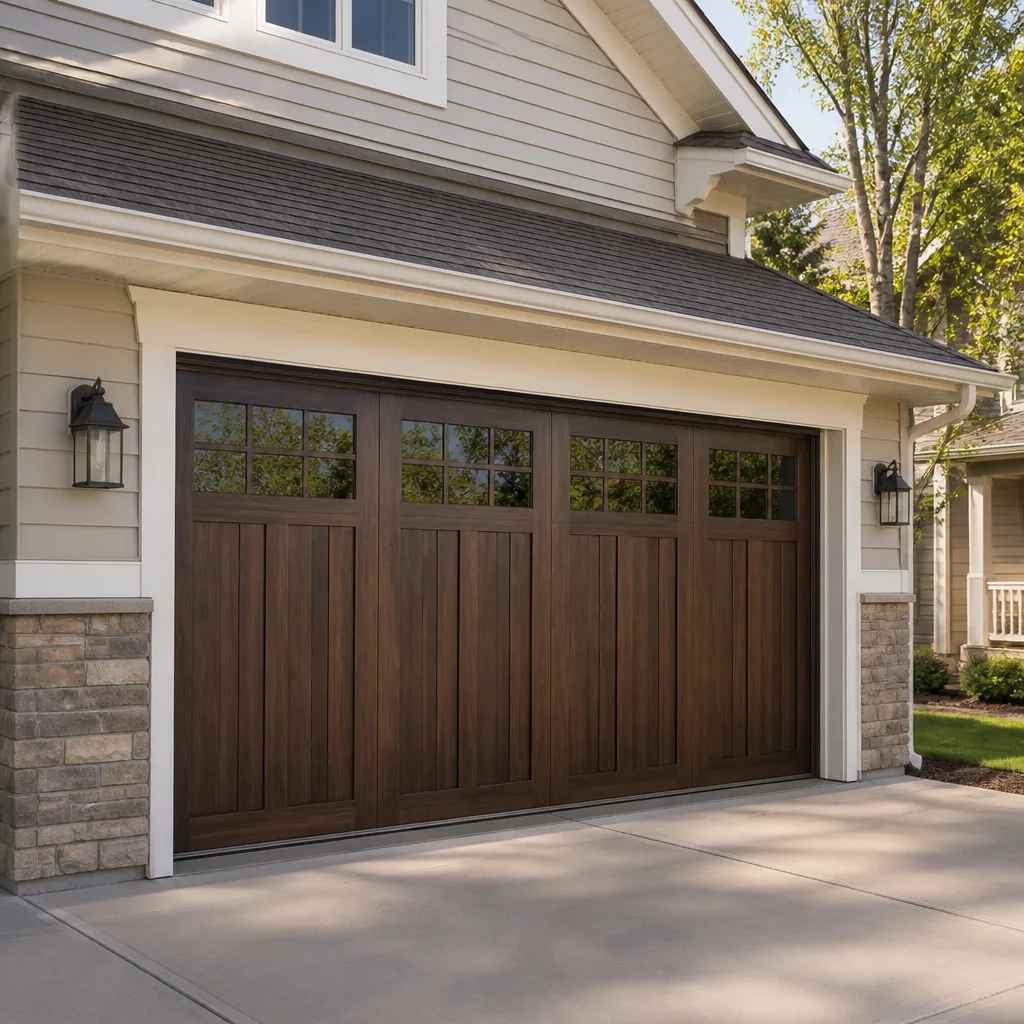
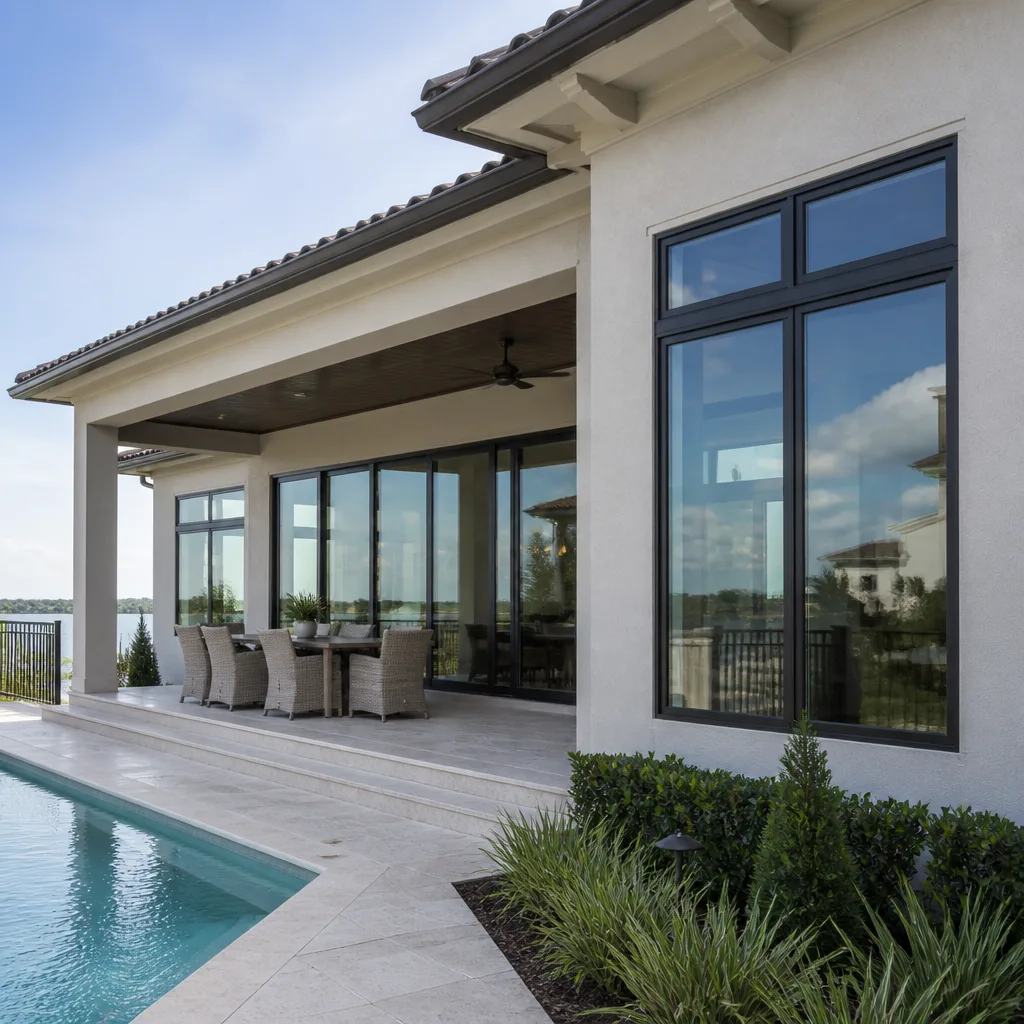

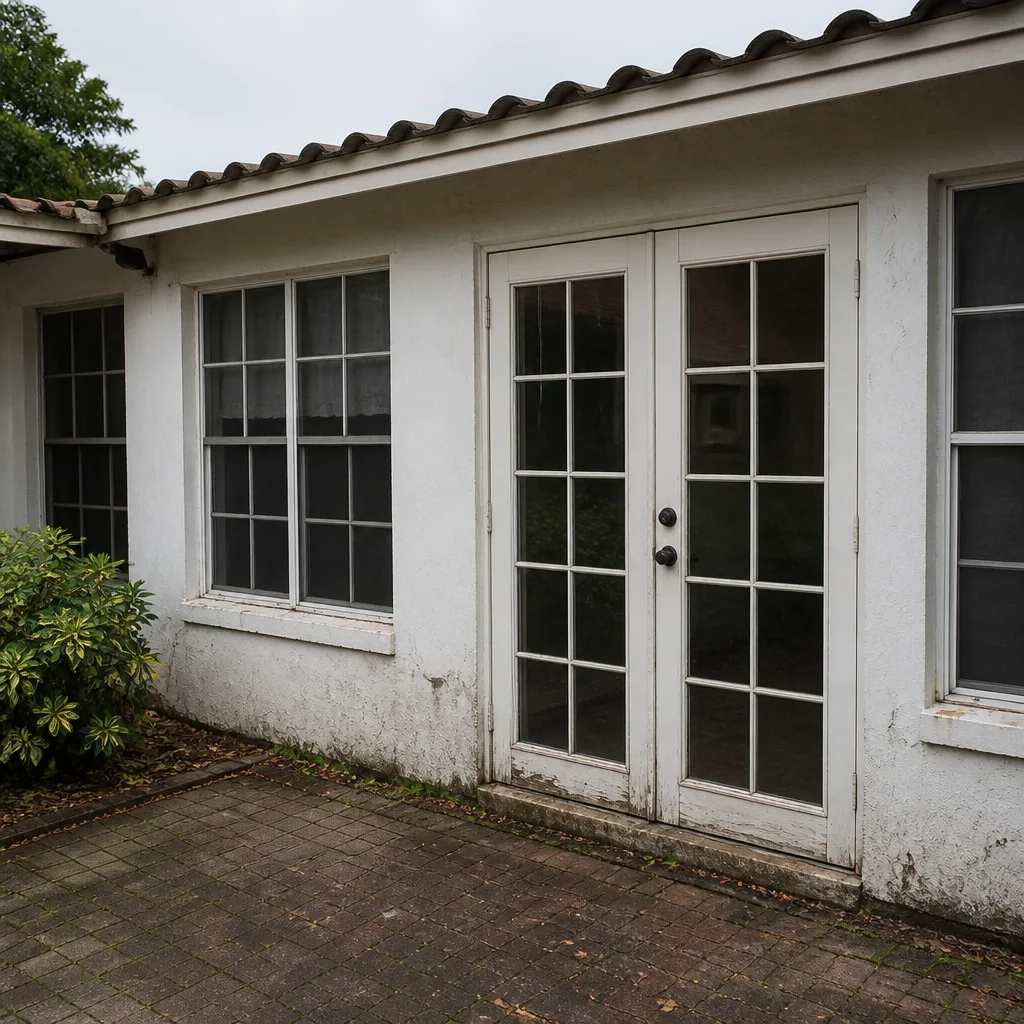 Before
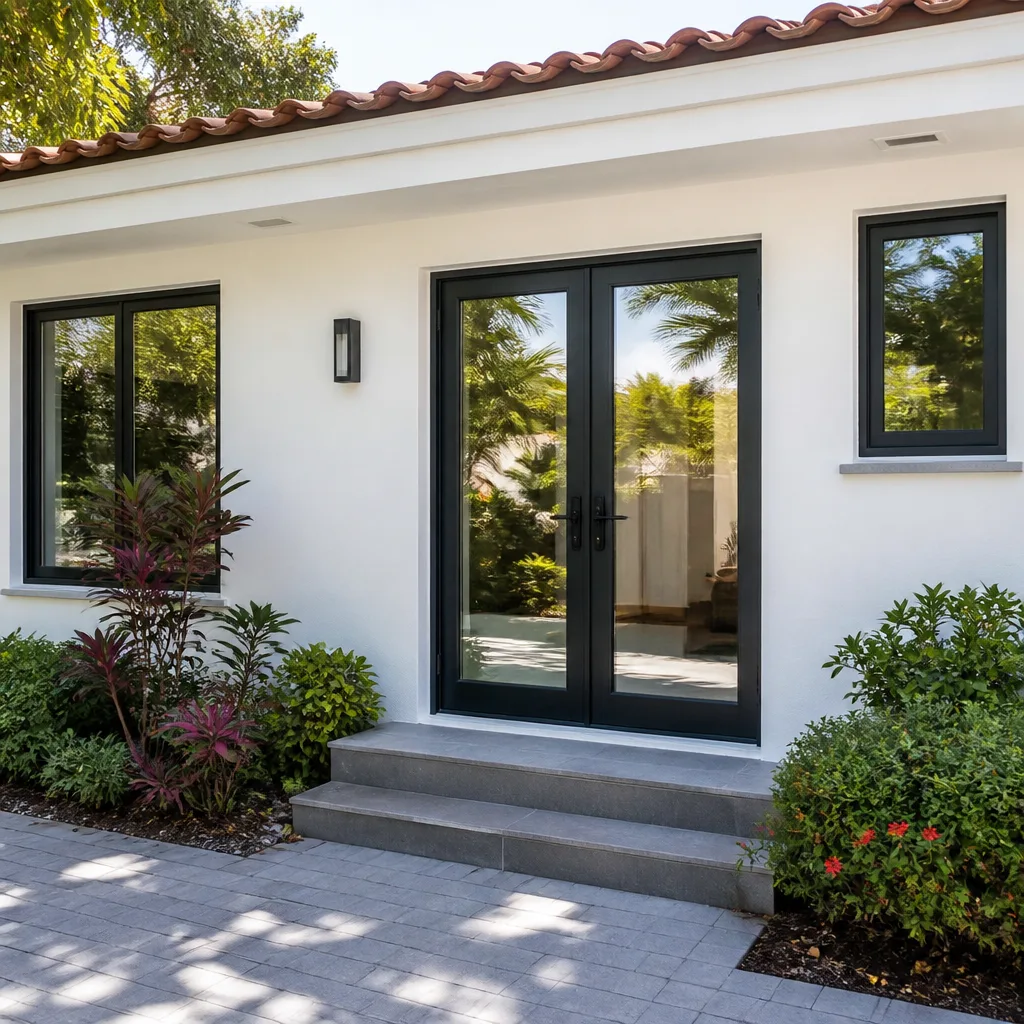 After
After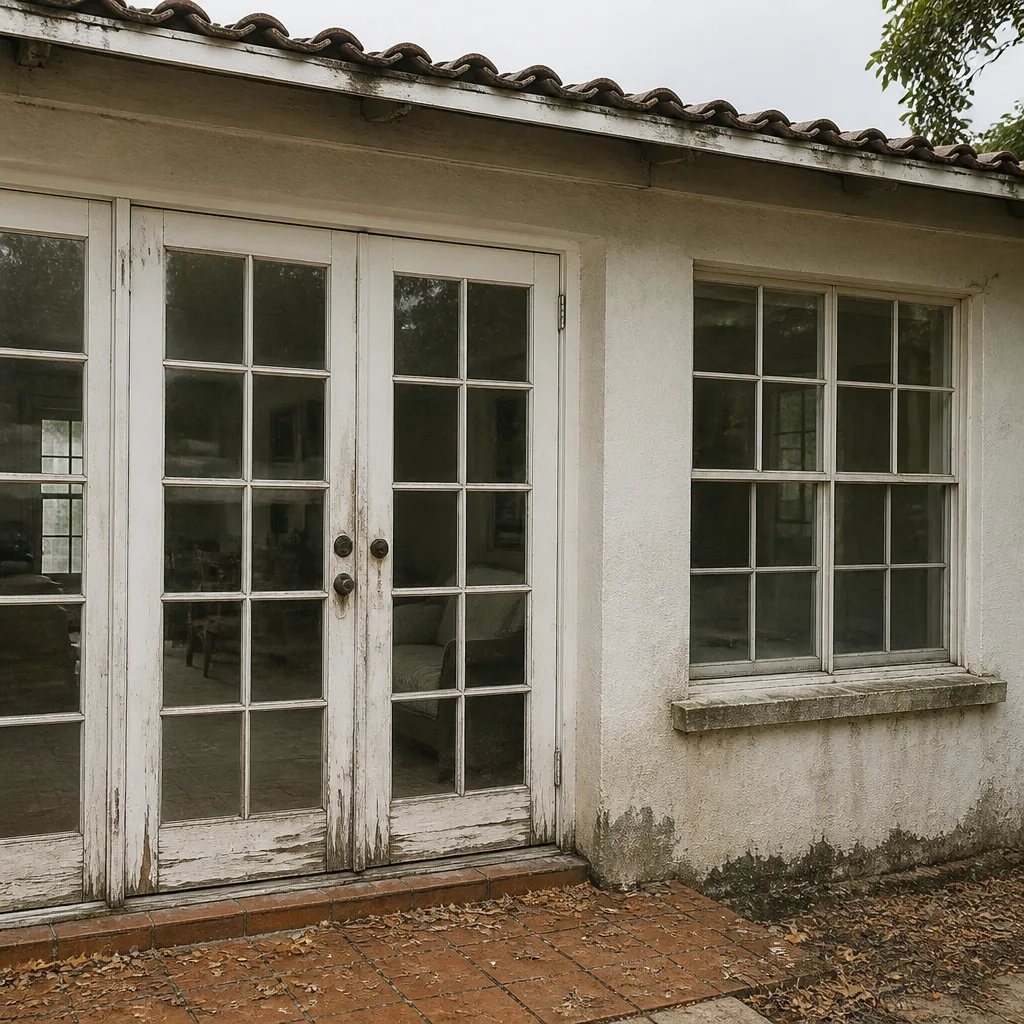 Before
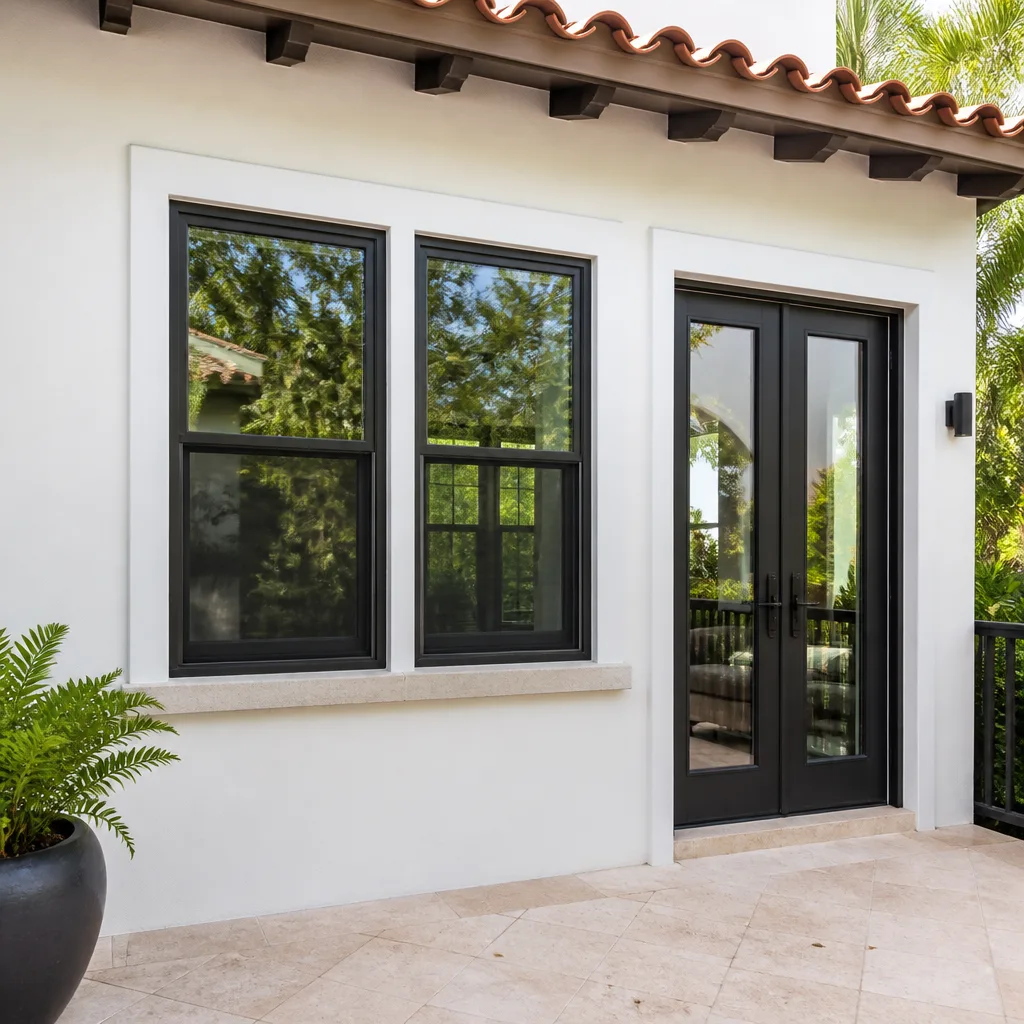 After
After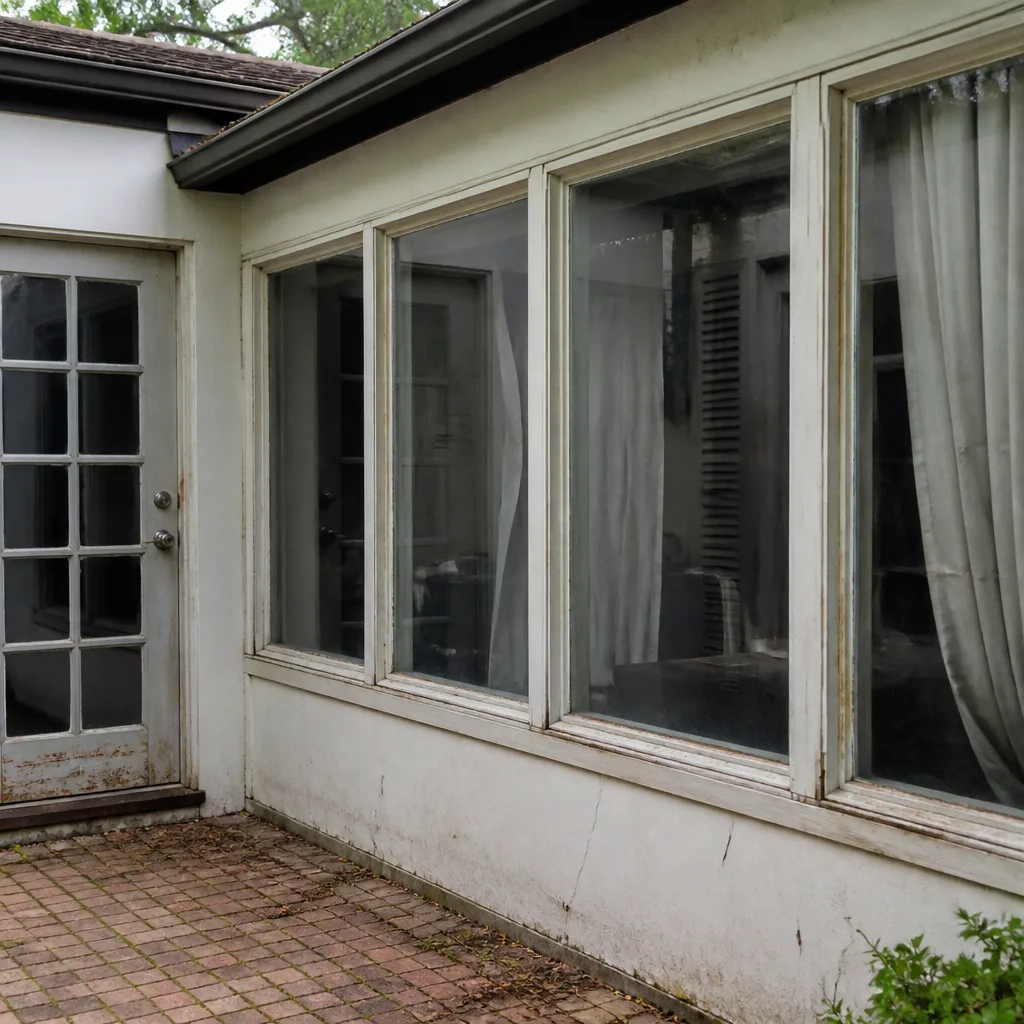 Before
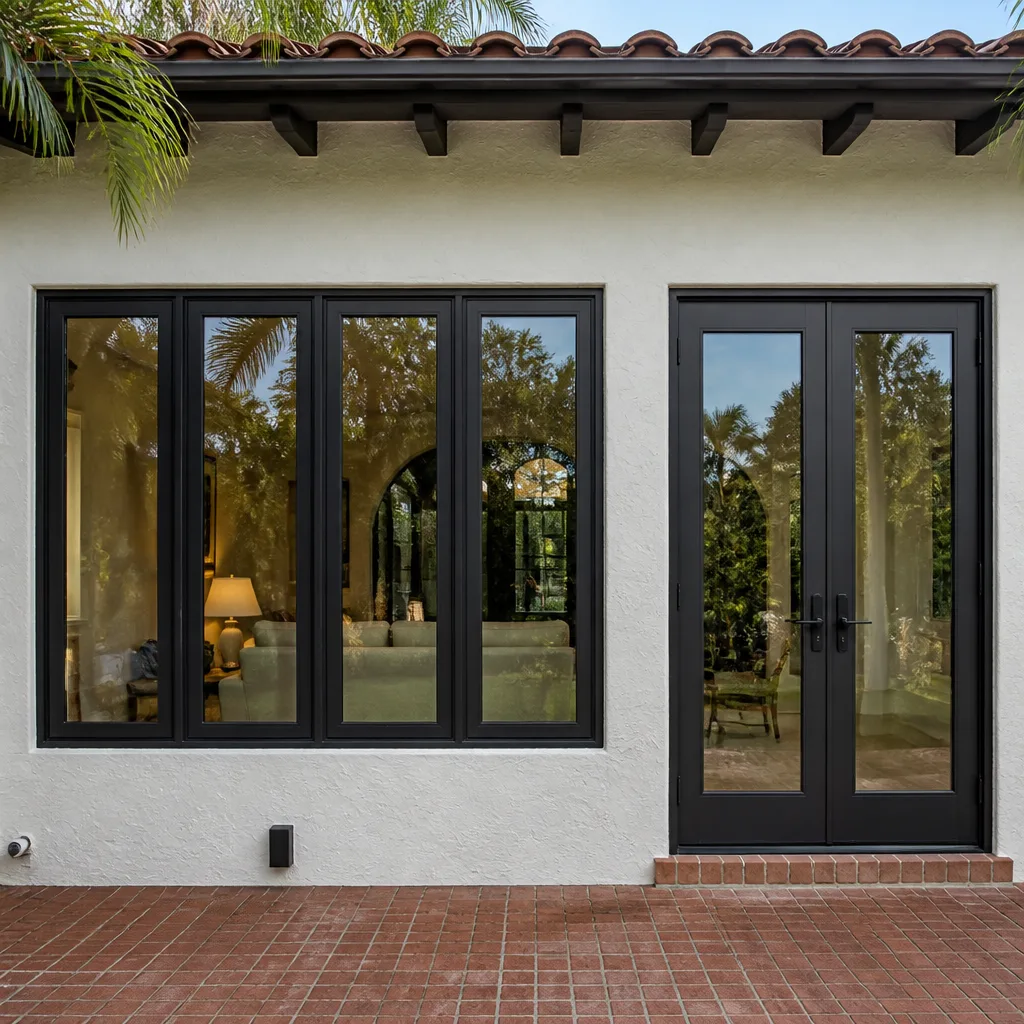 After
AfterHow to Hire a Windows & Doors Contractor in Coral Gables: A Step-by-Step Guide
Florida’s DBPR license lookup takes 45 seconds, yet the majority of homeowners who get burned by bad window contractors never ran the search. They trusted a yard sign and a slick quote sheet instead. In Coral Gables, that mistake costs more than most places in Florida. The city enforces some of the strictest building codes in Miami-Dade County, and unlicensed or under-qualified work gets flagged at inspection, which means you’re not just out the original invoice. You’re out the cost to tear it out and do it again. This guide walks you through a due-diligence investigation: what to verify, what questions to ask, and what red flags should send you reaching for the next number on your list. For more guides & resources, explore our blog.
Quick Answer
Hiring a windows and doors contractor in Coral Gables requires five verifications before you sign anything: a current Florida CGC or CRC license, a Coral Gables local business tax receipt, Miami-Dade County contractor approval, proof of insurance in the contractor’s actual business name, and references from Coral Gables addresses. Then get three written estimates, check that the quoted product meets Miami-Dade NOA standards for wind loads, and read the contract’s permit, inspection, and warranty clauses line by line. A contractor who passes all five checks and answers every question directly is worth more than a cheap bid that skips any one of them.
Table of Contents
- Step 1: Verify the License Before the Handshake
- Step 2: Check the Local Business Tax Receipt and Miami-Dade Approval
- Step 3: Understand Why NOA Approval Matters More Than Price
- Step 4: Read the Contract Like a Building Inspector
- Step 5: Investigate the Warranty Before You Believe It
- Step 6: Compare Estimates Without Falling for the Low-Bid Trap
- Step 7: Check References in Coral Gables, Not Just Online
- Common Mistakes to Avoid
- When to Call a Professional
- Frequently Asked Questions
- The Bottom Line
Step 1: Verify the License Before the Handshake
The first question any homeowner in Coral Gables should ask a windows and doors contractor is not “how much” but “what’s your license number.” A legitimate contractor expects this question and answers it without hesitation. A bad actor stalls, deflects, or says they’ll “get it to you later.” That stall is your first red flag.
Here’s the verification sequence, in order, and it takes under five minutes:
- Go to the Florida DBPR website and search the contractor’s name or license number. You’re looking for a CGC (Certified General Contractor) or CRC (Certified Residential Contractor) credential. A window and door installer operating under someone else’s license, or with no license at all, cannot legally pull permits in Coral Gables.
- Confirm the license status says “Current, Active” and not “Delinquent,” “Revoked,” or “Inactive.” A suspended license means the contractor can’t legally operate, and any work they do is outside the law.
- Match the exact business name on the license to the name on the estimate. If the quote comes from “Miami Windows Pros LLC” but the license belongs to a different entity, walk away. That’s a shell game.
- Verify insurance certificates with the contractor’s insurance agent directly, not through the contractor. Call the number on the certificate. Confirm general liability and workers’ compensation coverage is active in the contractor’s name. In Coral Gables, any contractor working without workers’ comp on a crew is one injury away from a lawsuit naming you.
- Ask for a Coral Gables local business tax receipt. This is separate from the state license. The city requires any business operating within its limits to hold this receipt. A contractor who never registered with Coral Gables hasn’t made the local commitment, and that should tell you something about how they’ll handle a callback after the job is done.
In our experience at Winslow Windows & Doors home, the homeowners who do this five-minute check never end up testifying in small-claims court. The ones who skip it are the ones we get called to fix after the unlicensed crew disappears. We’ve served Coral Gables since 2011, and the pattern hasn’t changed: verification first, handshake second.
Step 2: Check the Local Business Tax Receipt and Miami-Dade Approval
Coral Gables operates a local permitting system layered on top of Miami-Dade County requirements. A contractor can be state-licensed and still unable to pull a permit in Coral Gables if they don’t hold the right local credentials. That’s why this step matters.
The Coral Gables Building Division requires permits for window and door replacements, and the permit can only be pulled by a contractor with a valid state license, a local business tax receipt, and insurance on file with the city. If the contractor suggests skipping the permit “to save time and money,” you’ve just identified someone willing to break city code on your dime. In Coral Gables, unpermitted window work can surface during a home sale or insurance inspection, and the cost to retroactively permit it often exceeds the original job.
Miami-Dade County adds another layer: contractors must meet the county’s contractor licensing requirements for structural work. Windows and doors in Coral Gables are structural openings. They bear wind load. A county-approved contractor has passed the review to do that work. An unapproved contractor hasn’t.
Here’s the three-question test to run when a contractor sits down at your kitchen table in Coral Gables:
- “Are you approved by Miami-Dade County for window and door installation?” A yes should be backed by a county approval number you can verify online.
- “Do you hold a current Coral Gables business tax receipt?” Ask to see it. If it’s not in their packet, that’s a problem.
- “Will you pull the permit in your company’s name?” If the answer is anything other than yes, end the conversation. The contractor who pulls the permit is legally responsible for the work. The contractor who asks you to pull it as an owner-builder is offloading liability onto your homeowner’s insurance.
We keep our published address and license number on every document we hand out. Ed Winslow’s name is on the business, which means accountability isn’t an abstract concept. It’s a specific person with a specific phone number who answers when you call.
Step 3: Understand Why NOA Approval Matters More Than Price
The single most expensive mistake we see on Coral Gables window jobs is a bid built around a non-NOA-approved product. It’s how the lowest bid wins the job and then loses the homeowner thousands when the city inspector red-tags the installation.
NOA stands for Notice of Acceptance. It’s the Miami-Dade County product approval proving a specific window or door model has been tested and approved for the wind pressures and water infiltration standards in the High Velocity Hurricane Zone, which includes all of Coral Gables. Every product installed in a structural opening in Coral Gables must carry a valid NOA. Without it, the installation fails inspection, the homeowner cannot legally close out the permit, and the product cannot stay in the wall.
Here’s the sequence that plays out far too often: a homeowner gets three bids, picks the low one, and the contractor sources an off-brand window with no NOA. The city inspector arrives, runs the NOA number, finds nothing, and fails the inspection. The contractor either disappears or demands more money to “fix” a problem that can’t be fixed without tearing out and replacing every window. The homeowner is now paying for the job twice.
The right way to handle this: before you sign, ask the contractor for the exact window or door model and its NOA number. Then verify that number on the Miami-Dade County Product Control search portal. It takes two minutes. If the contractor hesitates, can’t provide a model, or says “don’t worry about that, we handle inspection,” treat it as a disqualifier.
At Impact Windows in Coral Gables, we install products from authorized brands including PGT, CGI, CWS, ES Windows, ECO Window Systems, Mr-Glass, Therma-Tru. Every one of those lines carries valid NOAs for Miami-Dade installation. We don’t sell products that can’t pass inspection, because an inspection failure is a reputation failure, and our reputation has our name on it.
Step 4: Read the Contract Like a Building Inspector
The contract is where the real contractor separates from the liability-dodger. Most homeowners skim the price, sign at the bottom, and never read the warranty, permit, or inspection clauses. That’s a costly habit. The difference between a good contract and a bad one in Coral Gables comes down to three clauses.
Clause 1: Who Pulls the Permit?
The contract should state, in writing, that the contractor pulls all required Coral Gables and Miami-Dade County permits in the company’s name, passes all required inspections, and handles any corrective work if an inspection fails. If the contract doesn’t name the contractor as the permit holder, you’re inheriting the liability. Some contractors write in “homeowner to obtain permits” to avoid responsibility. Don’t sign that.
Clause 2: Who Owns the Inspection?
The contract should specify that the contractor schedules and attends all inspections and that final payment is due only after the city issues a final inspection approval. Any clause that requires payment before inspection closeout is a red flag. Reputable contractors stake their payment on a passed inspection because they know their work passes.
Clause 3: What Does the Warranty Actually Cover?
This is where the fine print does the talking. A warranty might say “limited lifetime” on the marketing brochure and then the contract reveals that “lifetime” means five years, and it covers manufacturing defects only, not installation labor. The contract should spell out three separate warranties: the manufacturer’s warranty on the product, the contractor’s labor warranty on the installation, and any company-backed guarantee on the workmanship. If the contractor won’t put all three in writing with clear terms, walk away.
At Winslow Windows & Doors, our contracts name us as the permit holder, tie final payment to inspection closeout, and include the Done Right Promise. That promise is simple: if it’s not done right, we make it right. Period. No fine print, no expiration, no escape hatch.
Step 5: Investigate the Warranty Before You Believe It
Warranties are where bad contractors hide. The word gets used loosely in this industry, and a homeowner who doesn’t know the difference between a manufacturer warranty and a labor warranty is a homeowner who thinks they’re covered when they’re not.
Here’s the breakdown:
- Manufacturer warranty: Covers defects in the window or door product itself. A seal fails, the glass fogs between the panes, the hardware breaks. The manufacturer replaces the part. It does not cover installation errors. If the window leaks because the flashing was done wrong, the manufacturer is not paying to fix it.
- Labor warranty: Covers the contractor’s installation work. If the window is installed out of square, the door binds, or the caulking fails within the warranty window, the contractor returns and fixes it at no charge. The length of this warranty varies wildly, and it’s only as good as the contractor standing behind it. A labor warranty from a national chain that routes you through a call center is worth less than one from a local contractor whose owner answers the phone.
- Company-backed guarantee: Goes beyond the standard labor warranty and commits the company to making the job right even if the problem falls between manufacturer and labor coverage. This is where owner-operated companies have more skin in the game. A national brand can absorb a few bad reviews. A local contractor with a published address and a family name on the sign cannot.
The Done Right Promise is our company-backed guarantee. We’ve been installing in Coral Gables since 2011, not because we’ve never had a callback, but because we’ve always gone back when something wasn’t right. That’s the difference in warranty thinking: a warranty is not a document. It’s the willingness of the person whose name is on the work to fix it when it fails.
Step 6: Compare Estimates Without Falling for the Low-Bid Trap
Three estimates is the standard advice. But three estimates teach you nothing if you don’t know how to read them side by side. A low bid in Coral Gables frequently means non-NOA-approved product, uninsured labor, or a contractor who plans to undercut the permit process. The savings evaporate on inspection day.
Here’s how to compare estimates line by line:
- Product and model number: Every good estimate names the exact window or door brand and model. If one bid says “impact window” and nothing else, that’s a bid written to be swapped later. Get the model, get the NOA number, verify it.
- Scope of work: Does the estimate include tear-out and disposal of the old windows? Flashing and sealing? Stucco repair? Interior trim? Low bids often omit the finishing work, which becomes a change order after the windows are out of the wall.
- Permit and inspection line item: If a permit cost is missing from the estimate, ask why. A contractor who doesn’t charge for permits isn’t pulling permits. The Coral Gables permit fee is a hard cost that every legitimate company passes through.
- Payment schedule: A reasonable deposit secures the job and the product order. Full payment before installation is a red flag. The strongest schedule ties the final payment to the passed inspection.
- Warranty terms in writing: If the warranty is not specified in the estimate or contract, it doesn’t exist. Get the manufacturer warranty, labor warranty, and company guarantee in writing before signing.
We price jobs with a line-item quote so homeowners can see exactly where every dollar goes. No change orders, no surprises on the invoice. That’s the standard we’d want if we were the ones hiring, and it’s the standard we’ve held since 2011.
Step 7: Check References in Coral Gables, Not Just Online
Online reviews are a starting point, not an endpoint. They can be bought, gamed, or salted by competitors. The stronger check is a reference list of actual Coral Gables homeowners who had the same type of work done, and a willingness to drive by completed jobs in the neighborhood.
When you ask for references, don’t accept “we have a lot of happy customers.” Ask for three names and phone numbers of homeowners in Coral Gables whose projects the contractor completed within the last 12 months. Then call them. Ask three questions:
- “Did the final invoice match the quoted price?” This roots out the change-order strategy.
- “Did the city pass the inspection on the first visit, and how many visits did it take?” This tells you whether the contractor actually knows Coral Gables code.
- “Would you hire them again for another project?” The direct question gets the direct answer.
Drive by the job if you can. Look at the flashing lines, the caulking, the stucco work around the openings. You don’t need to be an expert to spot sloppy sealant or uneven reveals. We serve Coral Gables neighborhoods from the Biltmore area to the Riviera District, and the houses we’ve worked on are the best references we have. If you want to see a Window Installation in Coral Gables done properly, we’ll show you one.
Common Mistakes to Avoid
- Hiring without running the DBPR check. Forty-five seconds is all it takes. The majority of burn stories start with this step skipped, and the contractor who objects to the check is telling you something at the first meeting that you’d otherwise discover after the walls are open.
- Signing a contract that doesn’t name the contractor as the permit holder. This moves legal responsibility for the work from the contractor to you. In Coral Gables, an owner-builder permit carries long-term liability that most homeowners don’t discover until the sale closing.
- Choosing the lowest bid without comparing the product line. A low bid with a non-NOA-approved window is a losing proposition. You’ll pay the difference plus the cost of tear-out and reinstallation after the inspection fails.
- Accepting “we don’t need a permit for this” as professional advice. Window and door replacement in Coral Gables requires a permit. A contractor who suggests otherwise is asking you to share their risk without telling you the stakes.
- Believing a warranty without reading the contract. “Limited lifetime” means different things on different invoices. If the labor warranty isn’t defined in writing, it’s a sales phrase, not a promise.
- Paying in full before the final inspection. The last payment is your leverage. Once it’s paid, the contractor has no financial reason to return and fix the punch list. Tie final payment to the passed inspection and keep it that way.
- Hiring a contractor who can’t be found at a published address. If the only point of contact is a cell phone and a P.O. box, where do you serve the demand letter when the job goes wrong? A published address is a basic requirement for doing business in Coral Gables.
When to Call a Professional
Window and door replacement involves structural openings, wind load ratings, flashing details, and city inspections. It’s not a DIY project, and it’s not a handyman job. Here’s when the professional call is the only call: your windows are leaking during Coral Gables summer storms and the drywall is staining; your doors no longer seal square and the AC bill climbs every month; you’re planning a home sale and the seller’s disclosure now requires you to state whether the windows were permitted; or you want impact-rated protection ahead of the next hurricane season. In each of these situations, the cost of guessing wrong is higher than the cost of the estimate. Winslow Windows & Doors offers free estimates in Coral Gables - call (904) 478-8983 and you’ll get a live person, a straight answer, and a line-item quote.
Frequently Asked Questions
Impact window installation in Coral Gables typically ranges from $800 to $1,400 per standard opening, depending on the window size, product line, and installation conditions, while entry door replacement runs $1,200 to $3,500 and sliding glass doors run $2,500 to $6,000 installed. These are the market ranges we see in Coral Gables, where NOA-approved product and permit fees are non-negotiable costs of doing the job legally; for a deeper look at pricing, see our Windows & Doors Cost Breakdown: The Coral Gables Homeowner’s Reference for 2026. Call (904) 478-8983 for a line-item estimate on your specific openings - the estimate is free.
Yes, Coral Gables requires a building permit for window and door replacement, and the permit must be pulled by a licensed contractor in the contractor’s business name. The city enforces this requirement at inspection, and unpermitted work can trigger issues during a home sale or an insurance claim. Any contractor who suggests skipping the permit is asking you to take on legal and insurance risk with no upside.
Search the contractor’s name or license number on the Florida DBPR website and confirm a current, active CGC or CRC license, then verify insurance certificates by calling the agent listed on the document directly. Then check that the contractor holds a Coral Gables local business tax receipt and Miami-Dade County approval. The entire sequence takes under five minutes and eliminates most bad actors before they reach your front door.
A CGC is a Certified General Contractor license, which allows a contractor to work on commercial and residential projects, while a CRC is a Certified Residential Contractor license, limited to residential work. Both are valid for window and door replacement in Coral Gables, but the important verification is that the license is current, active, and held by the exact business name on your estimate. A contractor borrowing someone else’s license under a different business name is a disqualifier.
NOA approval is the Miami-Dade County certification that a window or door model has been tested and approved for the High Velocity Hurricane Zone wind and water standards that Coral Gables falls under. Without a valid NOA, the city inspector will fail the installation and the product cannot legally remain in the wall. A contractor quoting non-approved product is setting you up for a costly teardown.
Not with a contractor who prices in line items and commits to no change orders, but a low initial bid that omits scope is designed to grow after the tear-out. For year-round upkeep tips, see our Seasonal Windows & Doors Care for Coral Gables: Year-Round Homeowner’s Guide. The reliable approach is a written estimate that specifies the product model, the full scope of work, the permit fee, and the payment schedule tied to inspection closeout. Anything less is a change order waiting to happen. Winslow Windows & Doors writes the full price on the line-item quote before you sign - call (904) 478-8983 for yours.
Expect three warranties in writing: a manufacturer warranty on the window or door product, a labor warranty on the installation work, and a company-backed guarantee on the overall job. A single ambiguous “limited lifetime” line is not sufficient. The strongest company guarantees come from owner-operated contractors whose local reputation depends on honoring them.
Yes, and bundling the work often makes sense because the contractor is already on site, permits are being pulled, and the flashing details between the roof and the window and door openings can be addressed as one system. Winslow Windows & Doors handles windows, doors, and roofing, so the coordination stays with one team and one point of accountability. If you’re considering both, ask about a combined Window Replacement in Coral Gables scope during your estimate call.
The Bottom Line
Hiring a windows and doors contractor in Coral Gables is a due-diligence process, not a leap of faith. Verify the state license, the local business tax receipt, and the Miami-Dade approval before you discuss the price. Demand a contract that names the contractor as the permit holder, ties payment to inspection closeout, and spells out three warranties in writing. Never accept a product without a valid NOA number. And always remember: the contractor who passes every check, answers every question, and puts his name on the contract is the contractor worth hiring. The one down the road.
Written by Ed Winslow, Owner at Winslow Windows & Doors, serving Coral Gables since 2011.
Six Reasons Homeowners Choose Winslow Windows & Doors
Impact systems engineered to design pressures up to +/-100, matched to your wind zone - your openings hold when the storm arrives.
Low-E insulated impact glass from our manufacturer lines commonly cuts monthly cooling bills 20-30%.
Laminated impact glass shuts out up to 40% of outside noise - traffic, neighbors, weather.
Monitoring services run $30-90 a month. Laminated impact glass resists forced entry around the clock, with no subscription.
Florida homeowners average around 25% savings on the windstorm portion of their policy after protecting every opening - some homes qualify for more.
A full impact package upgrades curb appeal, buyer confidence and appraised value in one project.