
Last updated August 27, 2026
Free in-home measure and quote - PGT, CGI and CWS impact lines compared on your actual openings, style by style
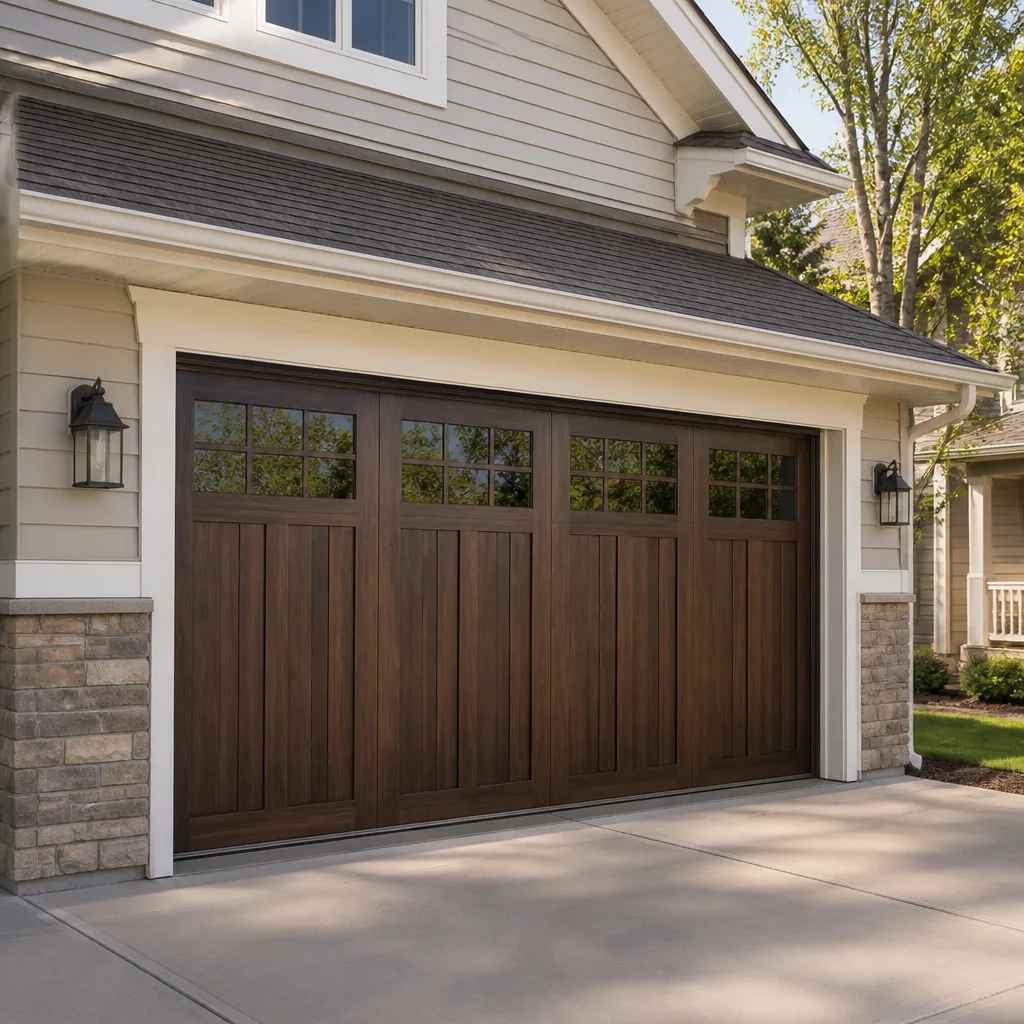
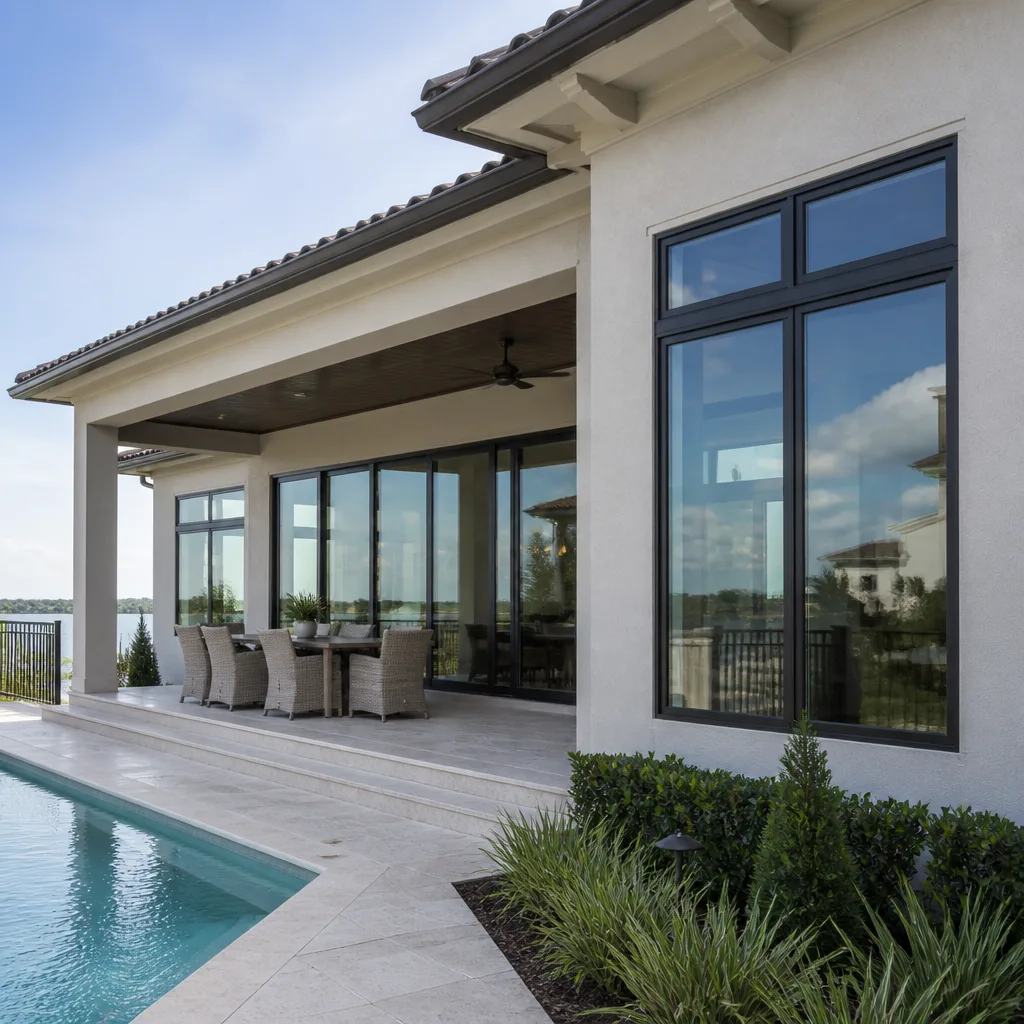

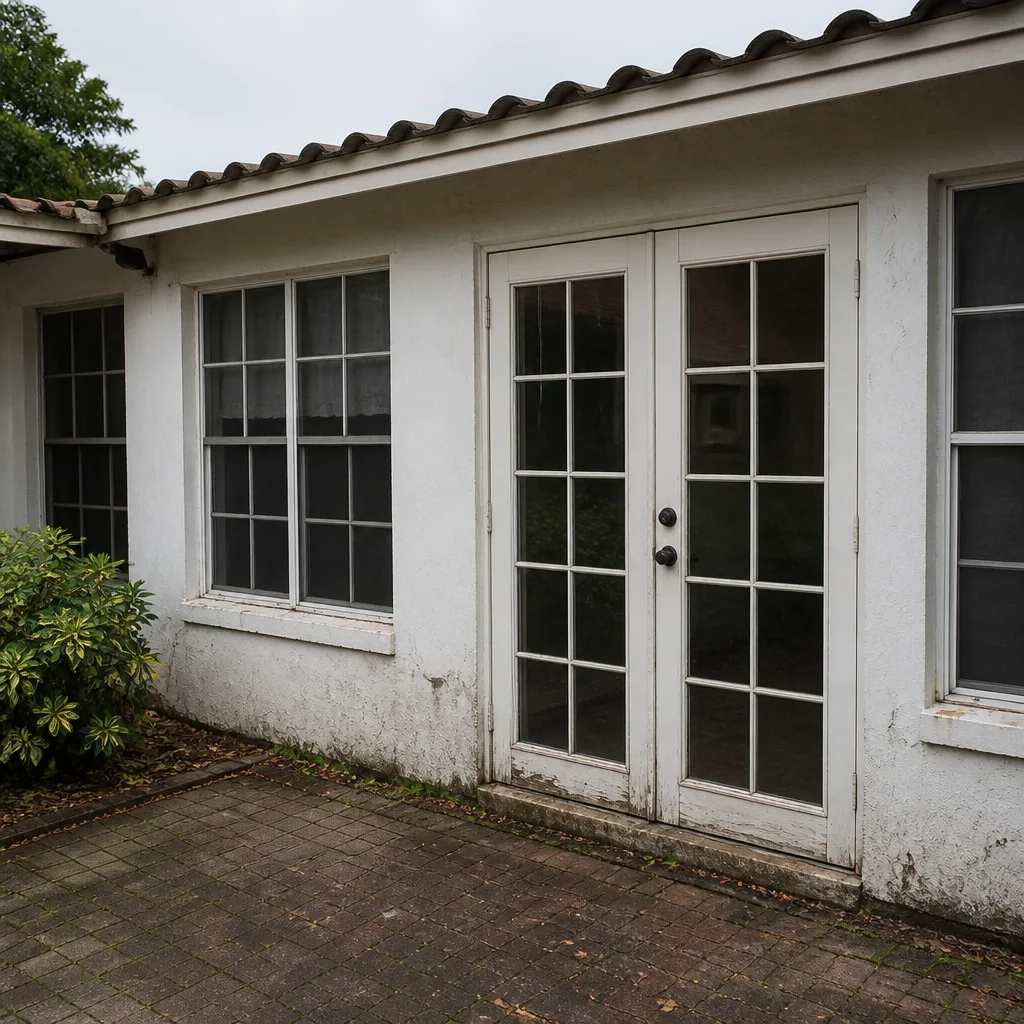 Before
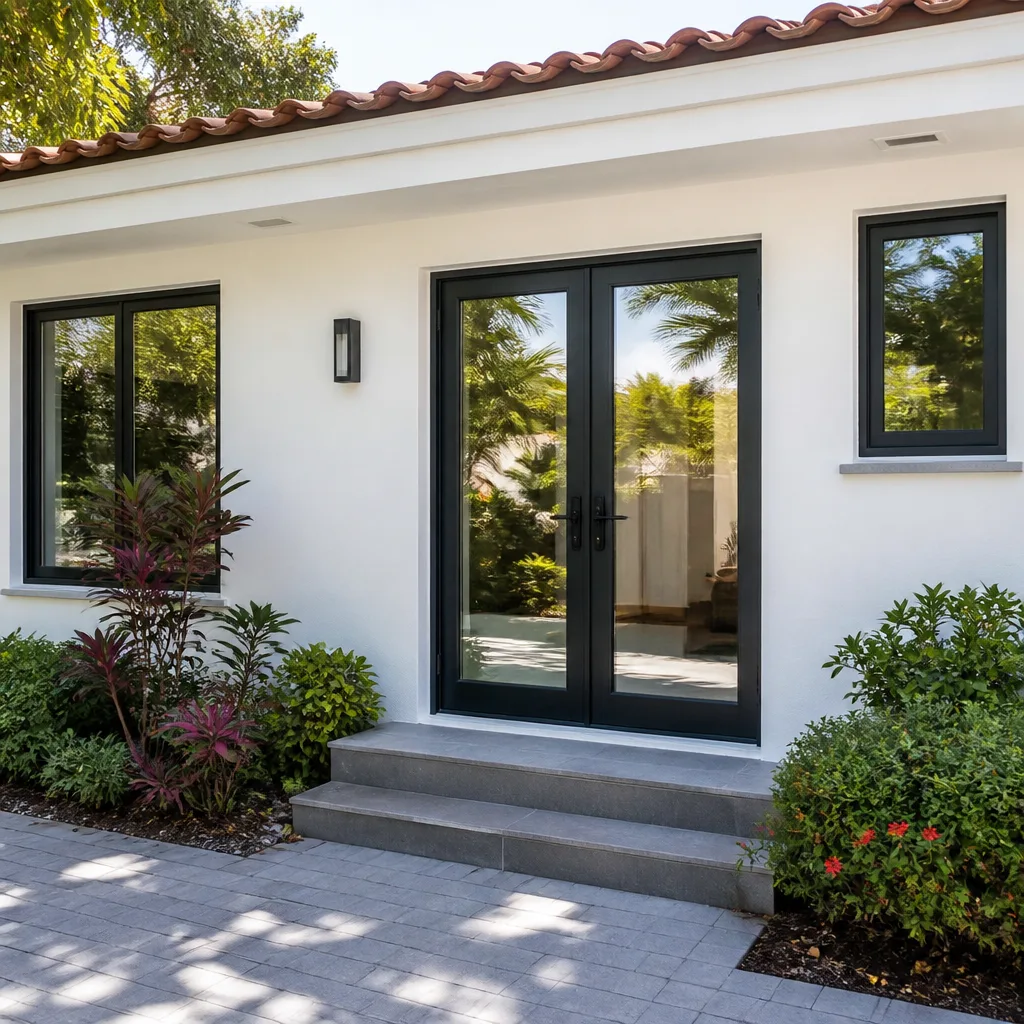 After
After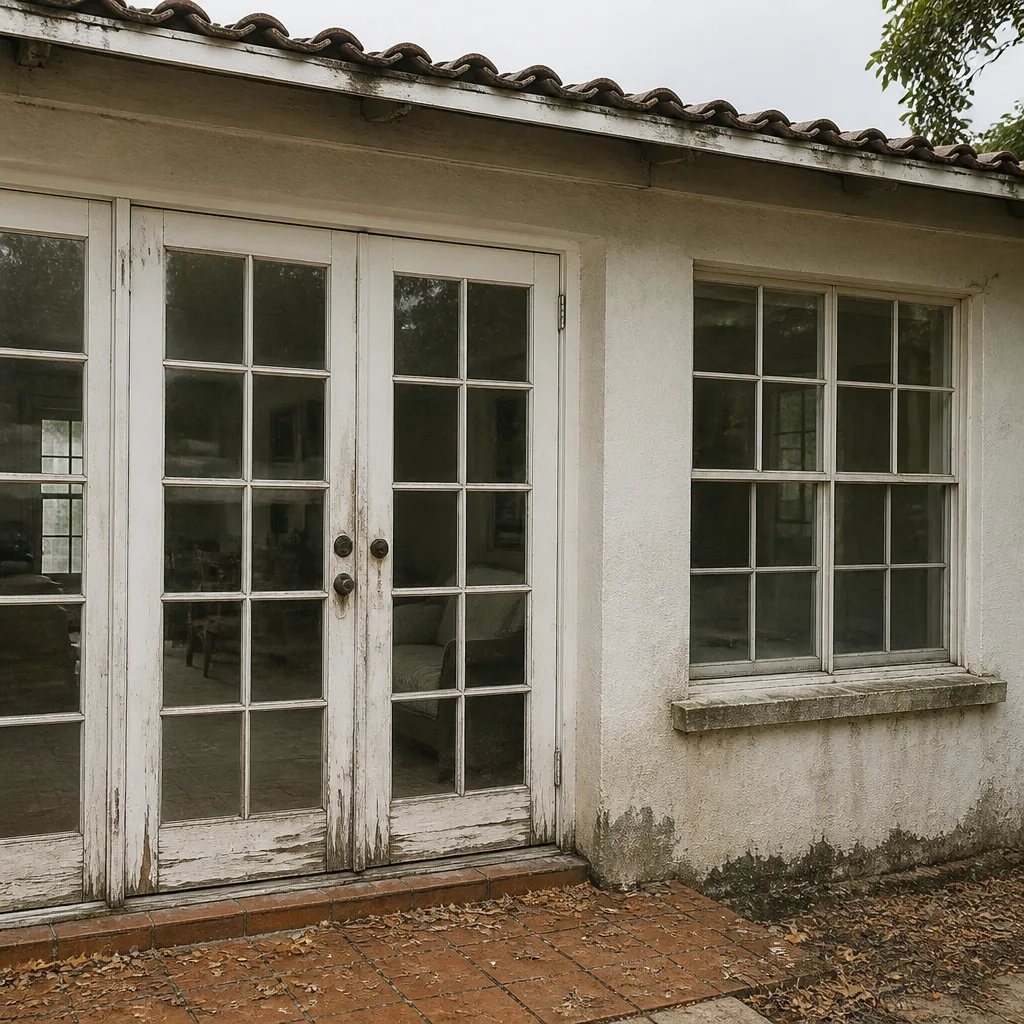 Before
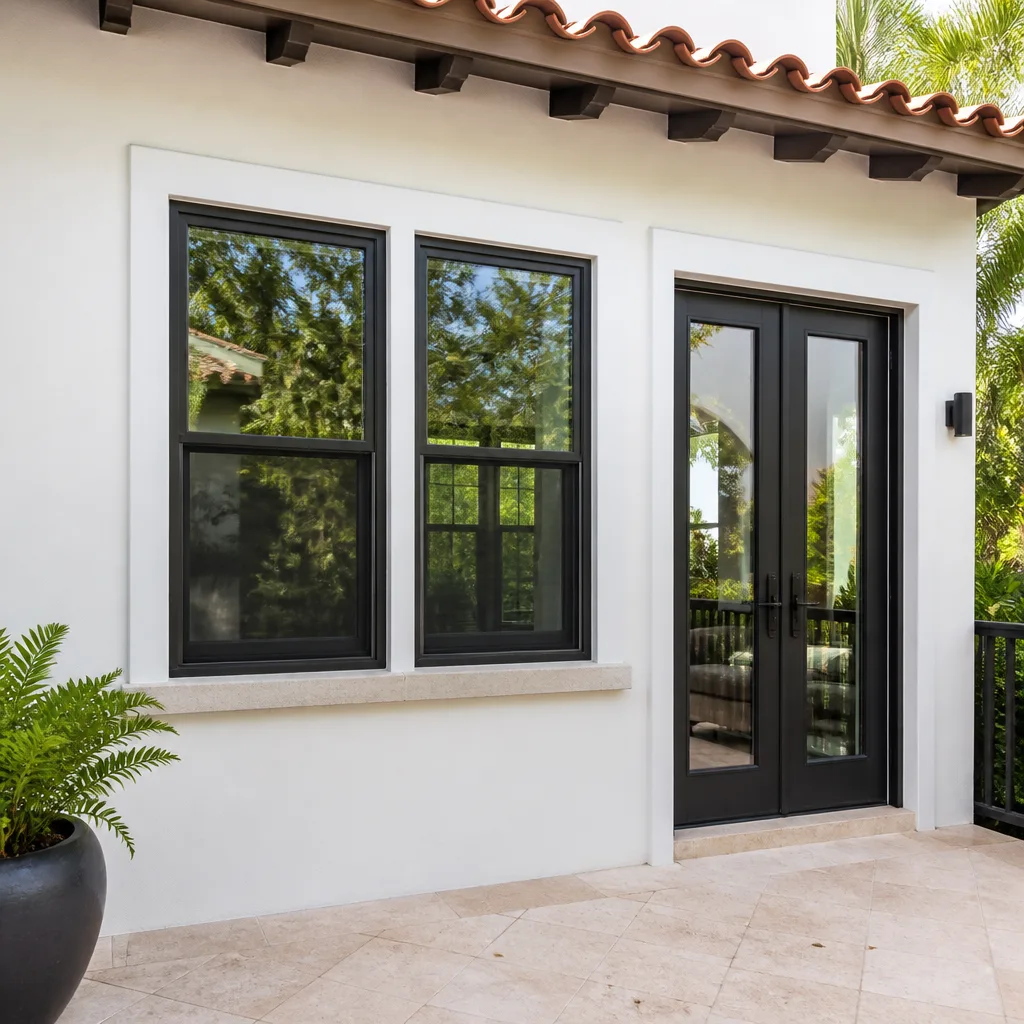 After
After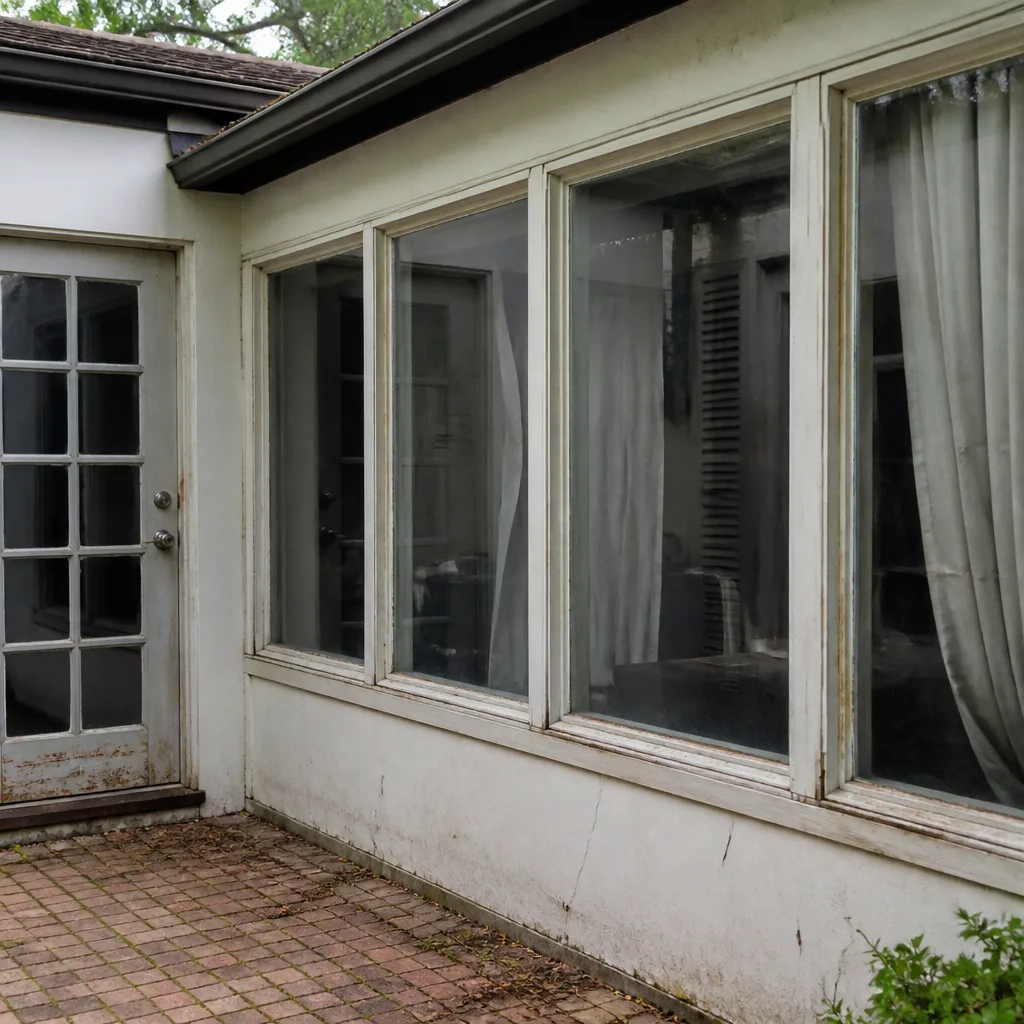 Before
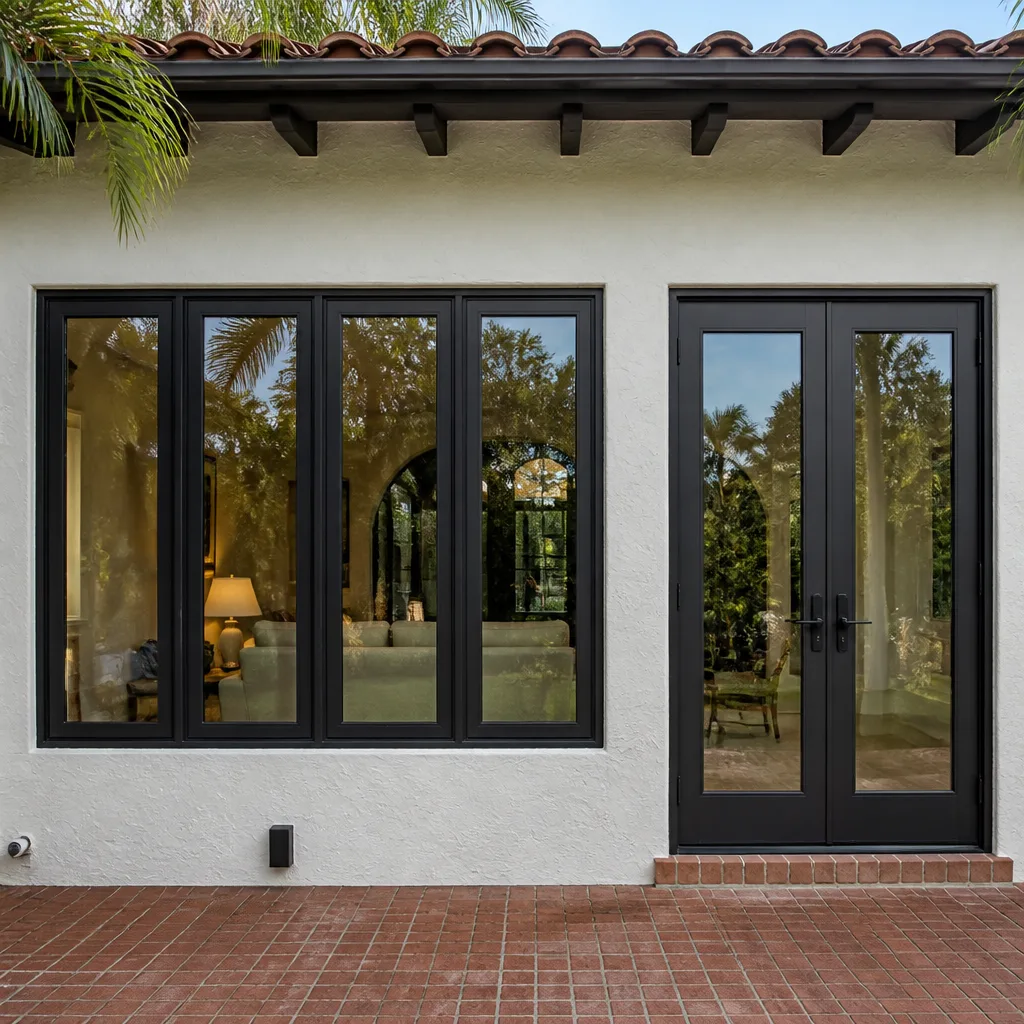 After
AfterSeasonal Windows & Doors Care for Coral Gables: Year-Round Homeowner’s Guide
Most window and door maintenance advice online assumes you live somewhere with frost on the glass come November and dead leaves piling against your threshold. That template fails in Coral Gables, where the real seasonal threats arrive as June wind loads, September humidity that fogs the inside of your glass, and January irrigation spray that bakes mineral stains into your frames all dry season long. This guide replaces the northern playbook with a month-by-month plan built for South Florida’s two actual seasons: hurricane season and dry season. For warning signs to watch for, see our dedicated Coral Gables reference. You’ll learn what to inspect before June 1, how to handle condensation without wrecking Low-E coatings, which $20 maintenance habit saves Coral Gables homeowners hundreds in frame corrosion, and exactly when to call a pro versus handle something yourself.
Quick Answer
Seasonal window and door care in Coral Gables means running a pre-hurricane inspection every May, lubricating hardware and checking weatherstripping in October after peak humidity breaks, and managing irrigation overspray on window frames throughout the dry months from November through April. Expect to spend roughly 90 minutes twice a year on inspection plus a ten-minute lubrication routine every four to six months on all exposed hinges, multi-point locks, and threshold sweeps. The highest-ROI single action is redirecting sprinkler heads away from window and door frames, which prevents the mineral etching and seal degradation that cause most premature frame failure in Coral Gables homes. For related details, see our Windows & Doors Cost Breakdown: The Coral Gables Homeowner’s Reference for 2026.
Table of Contents
- The May 1 Pre-Hurricane Checklist: What to Inspect, Test, and Repair
- Year-Round Salt Air Hardware Care: Lubrication Schedule and Product Guide
- Dry-Season Irrigation Management: The Highest-ROI Maintenance Move in Coral Gables
- Managing Condensation and Mold Risk During September and October Humidity Peaks
- Post-Storm Inspection Protocol: Named Storm vs. Typical Squall
- Beyond May: Maintaining Readiness Through Hurricane Season
- Common Mistakes to Avoid
- When to Call a Professional
- Frequently Asked Questions
The May 1 Pre-Hurricane Checklist: What to Inspect, Test, and Repair
Every year around the first week of May, Coral Gables homeowners should run through what we call the pre-season walk. It takes under an hour and catches small problems before June 1 turns them into storm liabilities. Start at the front door and work clockwise around the house. Here is the sequence we follow on our own maintenance visits, and it works just as well for a homeowner on a Saturday morning:
- Test every locking point. Open and close each window and door. Multi-point locks should engage smoothly without forcing. If a handle requires pressure or a lock bolt scrapes its keep, that’s a hardware alignment issue, not normal wear. Storm pressure exploits exactly this kind of slop.
- Inspect glazing seals on the exterior. Look for cracks, gaps, or sealant that has pulled away from the glass or frame. On impact windows, the glazing seal is your first line against water intrusion when driving rain hits at 60-plus miles per hour. A tube of marine-grade sealant from the hardware store can handle a small gap. A seal that’s dried and cracked across more than a few inches is a professional repair.
- Lubricate hinges, tracks, and lock mechanisms. More on this below in the salt-air section, but the short version: a dry silicone spray on all moving metal keeps everything operating when you need it most. Skip May lubrication and you’ll be fighting a stuck window at the worst possible moment.
- Check threshold weatherstripping on every exterior door. Run a hand along the sweep at the bottom of each door. If light passes underneath or the sweep is brittle, replace it. This is a $15 part and a 20-minute job that keeps pressurized rain from finding its way under the door during a storm band.
- Verify impact rating labels. If you have impact windows or doors, the rating sticker is usually on the frame or glass. Peeled, painted-over, or missing labels are a problem for insurance documentation after a claim. Re-certification through the manufacturer is possible but takes time, so check before the season starts.
- Clear weep holes. Every sliding door and window frame has small drainage channels at the bottom. In Coral Gables, these clog with sand grit, bug debris, and pollen by late spring. A pipe cleaner or small wire clears them in seconds and prevents water from pooling inside the track where it corrodes rollers and hardware.
Coral Gables sits in Miami-Dade County’s High Velocity Hurricane Zone, which means building code requires impact-rated or protected openings. The inspection above is not optional for code compliance: it is how you keep an impact-rated assembly performing at its rated capacity. If any step reveals damage beyond a quick fix, schedule a professional inspection before the first named storm of the season, not after. At Impact Windows in Coral Gables, we run this same checklist on every maintenance visit and find at least one actionable item on roughly two-thirds of homes we inspect.
Year-Round Salt Air Hardware Care: Lubrication Schedule and Product Guide
Salt air is the single most destructive environmental factor for window and door hardware in Coral Gables, and it never takes a season off. Homes within three miles of Biscayne Bay get constant microscopic salt deposition on exposed metal: hinges, lock bolts, threshold sweeps, and especially the interior mechanisms of multi-point locks. We’ve replaced hardware on ten-year-old ocean-adjacent homes that looked like it came off a 40-year-old inland house. The difference is almost always lubrication frequency.
What We Recommend Using
Use a dry silicone spray, specifically one labeled for marine or automotive weatherstrip use. Avoid WD-40 as a lubricant: it is a solvent and water displacer, not a long-term lubricant, and it leaves a residue that attracts grit. Avoid petroleum-based lubricants entirely. They break down rubber gaskets and weatherstripping. A PTFE-based dry lubricant or a dedicated white lithium grease works well for door hinges and lock cylinders. For sliding door tracks, a dry silicone sprayed on a clean rag and then wiped onto the track beats spraying directly, which can overspray onto glass and frames.
Application Frequency
- Multi-point locks and deadbolts: every 4 months, year-round. A quick shot into the keyway and onto the bolt face keeps pins and springs from binding.
- Hinges on exterior doors: every 6 months. Listen for squeaks between applications.
- Threshold sweeps and weatherstripping: treat with silicone spray every 4 months. This keeps rubber supple and prevents the cracking that lets driving rain through.
- Sliding glass door rollers and tracks: every 3 months if you’re within 2 miles of salt water, every 6 months further inland. Rollers are enclosed and rust starts silently inside the housing.
- Casement and awning window operators: every 6 months, including the crank mechanism and the hinge arms.
This routine takes about ten minutes for an average Coral Gables home. Set a recurring phone reminder for January, May, and September, and you’ll be ahead of most of the city. If you’re unsure which lubricant to use on specific hardware, call us and we’ll point you to the right product for your exact window and door models, whether they came from PGT, Mr-Glass, or another manufacturer.
Dry-Season Irrigation Management: The Highest-ROI Maintenance Move in Coral Gables
Here is a fact most Coral Gables homeowners never connect: the biggest threat to your window and door frames from November through April is not the weather. It is your sprinkler system. During dry season, automatic irrigation runs more frequently, and South Florida’s municipal water carries dissolved minerals that leave a hard white residue when the spray dries on frame metal and glass. Over multiple dry seasons, that mineral buildup etches aluminum and powder-coated finishes, degrades sealant bonds, and creates exactly the micro-crevices where salt air and humidity do their worst work during the wet months.
Relocating or redirecting sprinkler heads away from window and door frames is, in our experience, the single highest-ROI maintenance action a Coral Gables homeowner can take. A new riser or a different nozzle costs under $10 and takes fifteen minutes to install. The alternative over five or six dry seasons is frame pitting that requires professional restoration or replacement. Here is the quick playbook:
- Walk the exterior during an active irrigation cycle. Note every window, door, and threshold that takes direct spray. Pay special attention to east-facing openings, since morning irrigation dries faster in afternoon sun and bakes minerals in.
- Adjust or replace affected sprinkler heads. Pop-up spray heads can often be rotated away. If the head is fixed, swap it for an adjustable model or install a baffle shield that blocks overspray.
- For windows within 3 feet of spray, add a drip line or low-flow emitter. Slow soaking at ground level keeps landscape healthy without treating your window frames like splash pads.
- Rinse frames monthly if overspray is unavoidable. A quick hose-down with plain water removes mineral deposits before they bond. Do not scrub etching away: that requires professional treatment.
The dry season is also the best time to inspect and touch up exterior sealant on windows and doors. Sealant cures better in low humidity, which makes December through March the ideal window for re-caulking frames in Coral Gables before the humidity cycle starts again.
Managing Condensation and Mold Risk During September and October Humidity Peaks
Coral Gables humidity peaks in September and October, often above 85 percent relative humidity for days at a time. During these weeks, homeowners see condensation on the interior side of windows, especially on north-facing walls and in rooms with high occupant moisture: kitchens, bathrooms, and bedrooms where people sleep with doors closed. The first thing to understand is that interior condensation on a properly installed window is not a window defect. It is a dew point calculation: warm, humid indoor air meets cooler glass and releases moisture. The fix is airflow and humidity control, not window replacement.
Here is the critical caveat for Coral Gables homeowners: do not attack interior condensation with abrasive cleaners, razor blades, or ammonia-based products. Many modern windows in Coral Gables homes, particularly energy-efficient and impact-rated models from brands like ECO Window Systems, have Low-E coatings applied to the interior glass surface. These coatings are microscopically thin and easily scratched or chemically damaged. A homeowner trying to “fix” condensation by scraping the glass can turn a cosmetic issue into a permanent cloud on a $900 sash.
The Right Sequence for Humidity Weeks
- Reduce indoor humidity at the source. Run bathroom exhaust fans for 20 minutes after showers. Run the kitchen vent hood when boiling or simmering. Check that dryer vents terminate outside, not into the garage or attic.
- Run the HVAC fan on “auto” rather than “on.” Continuous fan operation may sound like it helps airflow, but it re-evaporates moisture off the cooling coil back into the air when the compressor cycles off. “Auto” is more effective for humidity control.
- Aim a small oscillating fan at the affected glass for a few hours. Moving air raises the glass surface temperature slightly and disrupts the dew point boundary. This works surprisingly well for persistent bedroom condensation.
- Wipe condensation with a clean microfiber cloth. Use only water or a pH-neutral glass cleaner. No vinegar, no ammonia, no abrasives. A plush microfiber towel will not scratch a Low-E coating if used gently.
- Inspect the frame weep holes and tracks for mold. If condensation runs down the glass and pools in the track, it feeds mildew. Clear weep holes and spray the track with a diluted bleach solution, then wipe dry. Do not let bleach touch treated glass.
If you see condensation between the panes of a double-glazed unit, that is a failed seal. Moisture inside the insulated glass unit means the desiccant is saturated and the assembly must be replaced. This is common on windows older than 12 to 15 years in Coral Gables, and it is a professional replacement, not a DIY fix. We cover this in more detail on our Window Replacement in Coral Gables page.
Post-Storm Inspection Protocol: Named Storm vs. Typical Squall
Not every weather event in Coral Gables demands the same post-storm response. A typical summer squall, even one with gusts to 45 miles per hour and heavy rain, is a test of basic seals and weep drainage. A named storm with sustained winds over 74 miles per hour is a different category of stress, and your inspection afterward needs to be correspondingly more thorough. Here is the two-tier protocol we recommend.
After a Typical Squall (Quick Check, 15 Minutes)
- Check for water intrusion. Run a hand along interior sills, thresholds, and the bottom corners of frames. Any dampness means water is finding a path around, not through, the glazing or door assembly.
- Listen for hardware changes. Open and close each window and door once. New stiffness, squeaks, or grinding indicate a hardware or frame shift.
- Clear weep holes and tracks. Storm debris makes them clog faster than normal weather.
- Look for debris strikes. Small branches can dent aluminum frames or scratch glass. Superficial scratches are cosmetic. A chip or crack in glass is a structural compromise that needs professional evaluation.
After a Named Storm (Thorough Inspection, Homeowner Plus Pro If Needed)
- Check every impact window for glazing seal separation. Press gently on the glass corners from outside. If you feel movement or see sealant pull away from the frame, the assembly took stress and needs professional re-sealing or re-bedding.
- Look for silicone bead cracking along the perimeter of impact glass. Hairline cracks in the structural sealant are a tell that the window flexed under load. These are not cosmetic and should not be ignored.
- Test the marriage of double doors and French doors. Wind pressure can shift frames enough that doors no longer close flush. If an astragal or center seam now shows daylight, the door frame must be re-aligned.
- Inspect the track bed on sliding glass doors. Post-storm, you may see fine sand and salt residue packed into the bottom track. This grit grinds rollers. Remove it with a vacuum, then wipe the track and lubricate the rollers.
- Check for water staining at the top of window and door frames. Ceiling or wall staining above an opening after a named storm suggests water found its way behind the exterior cladding and over the frame header. This is a professional finding, not a homeowner fix.
- Document everything for insurance. Photograph any new glass cracks, seal failures, or frame damage. Take wide shots showing the whole opening and close-ups of the specific issue. If your impact windows were installed in the last 15 years, you likely have warranty coverage through the manufacturer’s channel.
If any finding in the named-storm section appears on your windows, get a pro involved. A small seal failure on an impact window is a big deal for its rated performance, and the next storm does not care whether the last one weakened the assembly. Coral Gables homeowners who wait on post-storm repairs end up with compounding damage and a more expensive repair in November.
Beyond May: Maintaining Readiness Through Hurricane Season
The May checklist gets your windows and doors ready for June 1, but hurricane season in Coral Gables runs through November 30, and six months of sustained vigilance requires a lighter ongoing routine. Here is our recommended minimal cadence during the season itself:
- Monthly hardware test through October: open, close, and lock every window and door once. This catches slow-developing hardware problems before a storm watch is issued.
- After every significant rain event (over 1 inch), check interior sills and thresholds for moisture. Water intrusion that appears only after heavy rain is often a sign of a seal that works fine in normal conditions but fails under pressure.
- Every 8 weeks, inspect the caulk lines around all exterior openings. Look for shrinkage cracks, especially on west-facing walls where afternoon sun bakes sealant faster.
- Before every formal storm watch, clear weep holes and tracks and confirm all locks engage. Ten minutes now saves you a frantic hour when the cones go up.
If you have older windows that are not impact-rated, your pre-storm protocol includes installing shutters or panels. That is a separate conversation from maintenance, but it intersects here: the time to confirm your shutters fit and your hardware works is May, not September. See our Windows & Doors Permits, Codes & Inspections in FL: What You Need to Know for code requirements. Waking up to a hurricane warning in Coral Gables and discovering your shutter tracks are seized or your panels have missing wing nuts is a preventable emergency.
For homes that need upgrade work before the next cycle, our Window Installation in Coral Gables team handles the full replacement process including permits and code compliance, and the Winslow Windows & Doors home page lays out the scope of our work across windows, doors, and roofing. We install impact-rated products from brands including PGT and CGI, plus premium door systems from Therma-Tru for homeowners who want both storm protection and real curb appeal.
Common Mistakes to Avoid
- Following a northern four-season maintenance calendar. Advice about “winterizing” windows and doors is irrelevant in Coral Gables. Applying the wrong seasonal template means skipping the pre-June inspection that actually matters here and over-preparing for freezes that never arrive.
- Using WD-40 on door hinges and window tracks. It displaces water but does not lubricate long-term, and its residue attracts the sand and salt that destroys Coral Gables hardware faster than no treatment at all. Use dry silicone or PTFE spray.
- Scraping interior condensation with a razor blade. This damages Low-E coatings on modern energy-efficient and impact windows, turning a temporary humidity problem into a permanent glass defect. Always use a microfiber cloth and pH-neutral cleaner.
- Ignoring sprinkler overspray on window frames. Most Coral Gables homeowners never connect frame corrosion and mineral etching to their irrigation schedule. Redirecting sprinkler heads away from openings is a ten-minute task that prevents years of slow damage.
- Waiting until after a storm to test window operation. By the time a hurricane watch is issued, discovering that a window is stuck shut or a lock is seized means you have no time to fix it. Testing hardware monthly from June through October is essential.
- Skipping weep hole maintenance. Clogged weep channels trap water in window tracks where it corrodes rollers and hardware, and in heavy rain, backs up into the frame. Clear them every two months and after every storm.
- Assuming impact windows need no maintenance. Impact-rated glass and frames are engineered to survive a storm, but seals, hardware, and drainage channels wear like any other component. A well-maintained impact window performs at its rating; a neglected one becomes a rolling bet.
When to Call a Professional
Some window and door care is genuinely DIY, and some is not. Call a professional when you find any of the following during your seasonal checks: cracked or chipped glass in an impact-rated unit, sealant failure that spans more than a few inches on a structural glazing seal, condensation between double panes indicating a failed insulated glass unit, water staining above a window or door frame after heavy rain, a sliding door that drags or binds indicating roller or track failure, or a multi-point lock that no longer engages smoothly despite lubrication and cleaning. These findings indicate a component-level failure that affects the weather-protection envelope of the home, not a simple wear-and-tear issue. Winslow Windows & Doors offers free estimates in Coral Gables - call (904) 478-8983 and we’ll schedule an inspection, give you an honest assessment, and hand you a written line-item quote.
Frequently Asked Questions
Lubricate multi-point locks, deadbolts, and threshold sweeps every four months year-round if you live within three miles of Biscayne Bay; every six months is adequate further inland where salt air exposure is lower. Use a dry silicone spray or PTFE-based lubricant, never WD-40 or petroleum-based products which attract grit and break down rubber seals. If you want a specific product recommendation for your exact hardware, call (904) 478-8983 and ask.
The dry season from December through March offers the most predictable installation conditions in Coral Gables, with lower humidity that allows sealant to cure properly and less chance of a storm interrupting an opening. However, impact window replacement projects run year-round because hurricane season is exactly when homeowners discover their existing openings are not up to code. Scheduling a free estimate in the fall gives you a plan for the best window.
Interior condensation during September and October in Coral Gables is caused by high indoor humidity meeting cooler glass surfaces, not by a window defect. The fix is reducing indoor humidity at the source (bathroom fans, kitchen vent hood, HVAC on auto fan) and using a microfiber cloth to wipe glass without touching it with abrasives that damage Low-E coatings. Condensation between the panes, not on the surface, means a failed seal requiring glass replacement.
Salt air corrodes the metal hardware and frame components of windows and doors in Coral Gables, especially within a few miles of coastline, but it does not significantly damage the laminated glass itself. The most vulnerable parts are multi-point lock mechanisms, hinges, rollers, and threshold sweeps, which fail years earlier without regular lubrication. Impact-rated glass from manufacturers like PGT and CGI is designed for coastal environments, but the surrounding hardware still needs a four-to-six-month maintenance routine.
A pre-hurricane window and door inspection in Coral Gables typically costs between $80 and $200 depending on the size of the home and the number of openings, and many contractors including Winslow Windows & Doors will waive or credit the inspection fee if repairs are needed. Given that catching a failed seal or stuck hardware before June 1 can prevent thousands in water damage during a named storm, a professional inspection is a worthwhile annual investment for most homeowners.
Impact windows require the same lubrication and seal inspection routine as standard windows, but the consequences of neglect are higher because a compromised seal or hardware failure reduces the assembly’s rated storm performance. The glass itself needs only routine cleaning with non-abrasive materials, but the structural silicone bead and locking hardware should be inspected every May before hurricane season. If you find cracks in the sealant bead or a lock that binds, address it before the next storm approaches.
The Bottom Line
Coral Gables window and door care is built around two seasons and one constant: a May pre-hurricane checklist, a September-to-October humidity management plan, and year-round salt-air lubrication that keeps hardware working and frames intact. The homeowners who get this right spend about two hours a year on maintenance and avoid the five-figure repair and replacement work that comes from neglect. The ones who get it wrong discover the difference during a September squall or a January irrigation cycle. Run the checklists in this guide, clear your weep holes, watch your sprinkler heads, and when something needs a professional eye, call someone local who will actually answer the phone. For more guides & resources, visit our blog. That is what we do.
Written by Ed Winslow, Owner at Winslow Windows & Doors, serving Coral Gables since 2011.
Six Reasons Homeowners Choose Winslow Windows & Doors
Impact systems engineered to design pressures up to +/-100, matched to your wind zone - your openings hold when the storm arrives.
Low-E insulated impact glass from our manufacturer lines commonly cuts monthly cooling bills 20-30%.
Laminated impact glass shuts out up to 40% of outside noise - traffic, neighbors, weather.
Monitoring services run $30-90 a month. Laminated impact glass resists forced entry around the clock, with no subscription.
Florida homeowners average around 25% savings on the windstorm portion of their policy after protecting every opening - some homes qualify for more.
A full impact package upgrades curb appeal, buyer confidence and appraised value in one project.