
Free in-home measure and quote - PGT, CGI and CWS impact lines compared on your actual openings, style by style
 Before
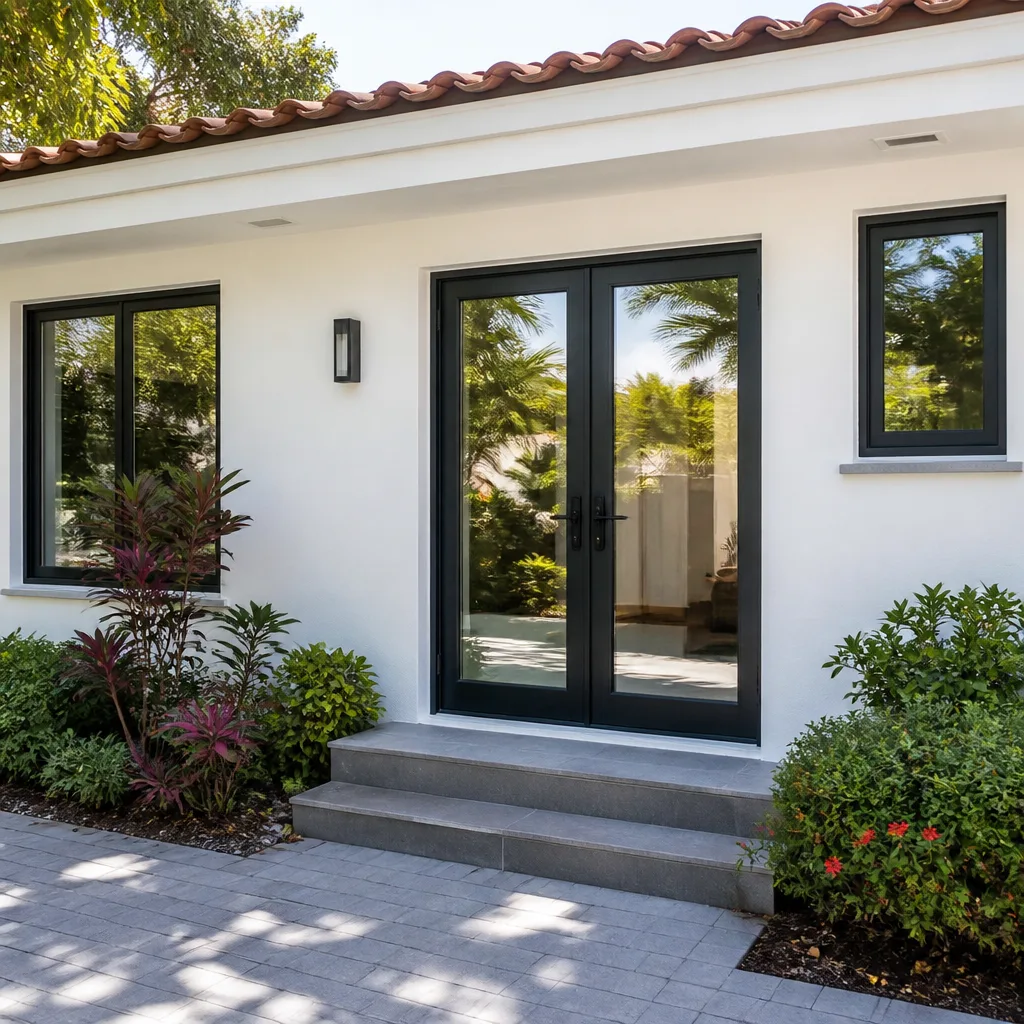 After
After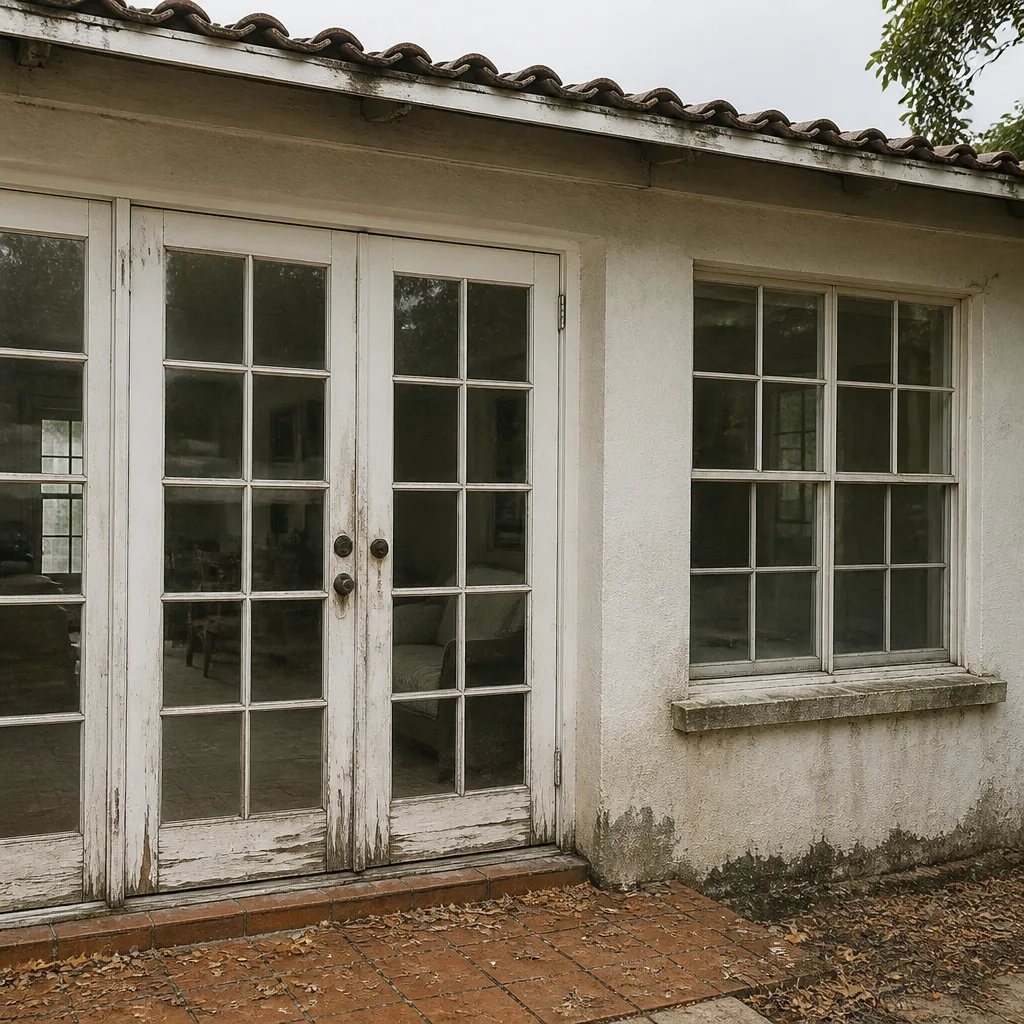 Before
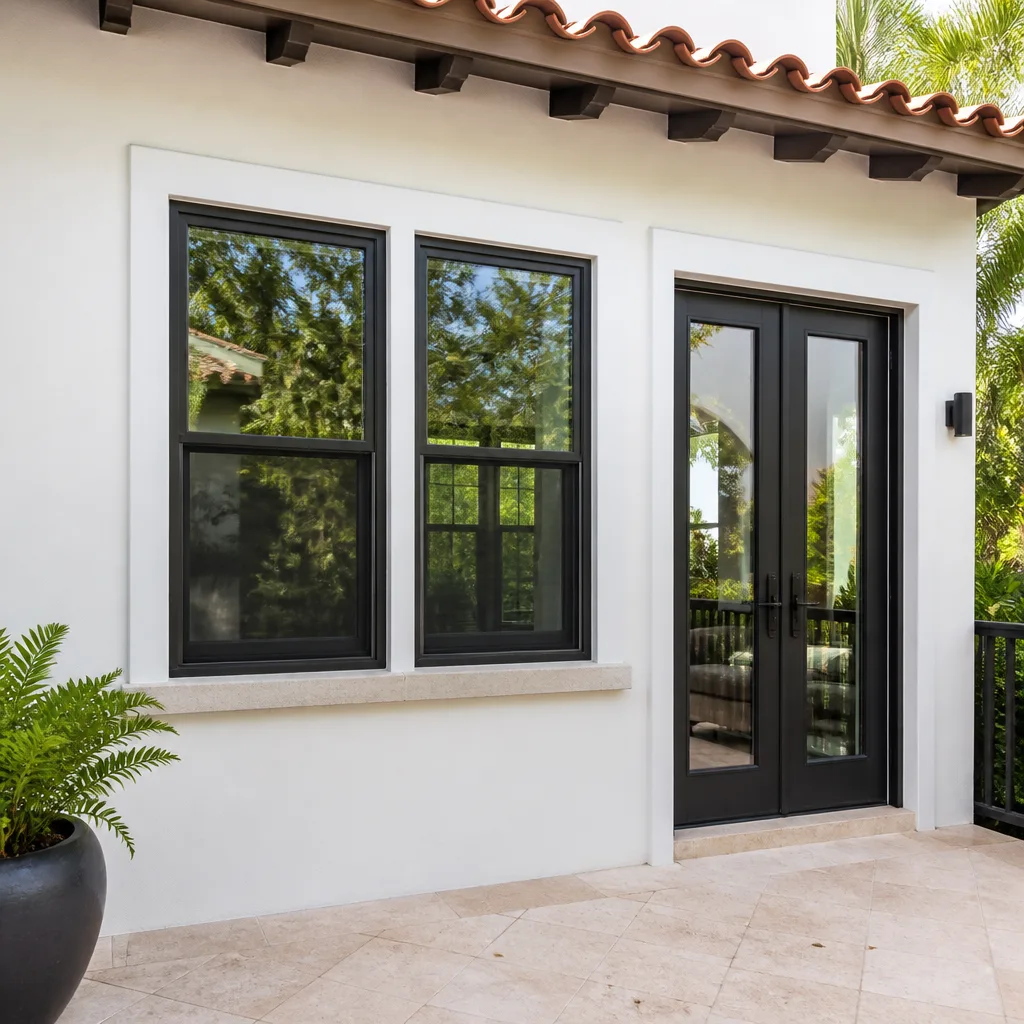 After
After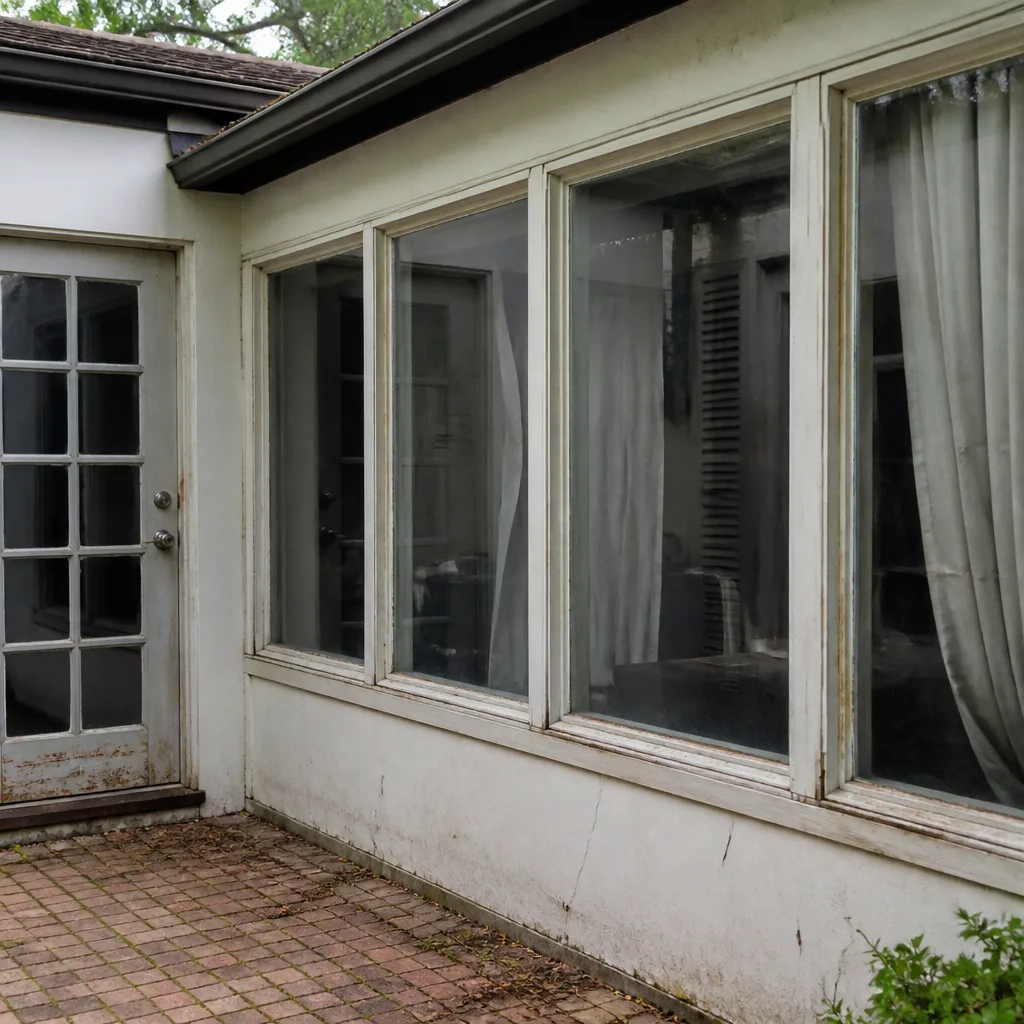 Before
 After
AfterFast, Reliable Shingle, Tile & Metal Roofing Across Miami Beach
Shingle, tile, and metal roof installation in Miami Beach usually runs $12,000 to $45,000 for a full replacement on a typical single-family home, with smaller repairs starting around $450. The work typically takes one to three days once materials arrive and the permit clears. If you’re calling about a leak or missing shingles, we answer the phone around the clock at (904) 478-8983 and can schedule a Miami Beach inspection quickly. Ed Winslow built this company in 2011 on a simple rule: we install the roof the way we’d want it on our own house, and we stand behind it with the Done Right Promise. That means if something isn’t right, we come back and fix it. No expiration date on accountability.
Why Winslow Windows & Doors Is Miami Beach’s Preferred Shingle, Tile & Metal Roofing Company
Roofing in Miami Beach is not like roofing in Kendall or Doral. We work on a barrier island where the Atlantic and Biscayne Bay both send salt spray across the same block, and where a roof has to survive wind loads that inland roofs never see. Our Shingle, Tile & Metal Roofing crews know which fasteners, underlayments, and sealants hold up here and which ones should never be used within a mile of the ocean. We are not a franchise dispatch service. Ed’s name is on the door, and our crew leads live here in South Florida, not in a call center two time zones away.
Miami Beach homeowners call us because we show up when we say we will and because our quotes are line-item specific. No vague allowances. No “we’ll figure it out after we tear off the old roof.” We pull the permit, coordinate with the Miami Beach Building Department, and when a property sits in a historic district, we prepare the Certificate of Appropriateness paperwork that the Miami Beach Historic Preservation Board requires before any roof work begins. That step trips up plenty of out-of-town roofers. It doesn’t trip us up, because we do it regularly in South of Fifth, Flamingo Park, and the Collins Avenue corridor.
Our technicians are background-checked and arrive in uniform. When the truck pulls up, you know exactly who is walking onto your property. That matters more in Miami Beach than most places, where condo and historic-district rules often require identification and insurance certificates before a roofer can even set up a ladder.
Our Shingle, Tile & Metal Roofing Services in Miami Beach
Every roof on this island is a decision about wind resistance, salt tolerance, and curb appeal. We install three primary systems, and we’ll walk you through which one fits your structure, your budget, and your block.
Asphalt Shingle Roofing
Asphalt shingles remain the most common choice for Miami Beach single-family homes, especially the 1940s and 1950s structures from Flamingo Park up through Mid-Beach. We install architectural shingles with sealed adhesive strips rated for Miami-Dade County HVHZ uplift pressures. The difference between a shingle roof that survives a Cat 2 storm and one that loses half its tabs is mostly in the details: six nails per shingle instead of four, starter strips, proper underlayment, and drip edge that holds the perimeter under suction loads.
Tile Roofing
Barrel tile and flat concrete tile roofs are everywhere in Miami Beach, from Mediterranean Revival homes in the historic districts to waterfront estates on the Venetian Islands. Tile is heavy, which is actually an advantage in wind uplift, but the underlayment underneath is what keeps the house dry. A tile roof can look perfect from the street while the underlayment below has baked in the sun and dissolved over 20 years. We see that often. When we install tile, we use a high-temp peel-and-stick underlayment rated for our climate, plus mechanical fasteners on the perimeter and corners where uplift is highest.
Metal Roofing
Standing-seam and stone-coated steel roofs are growing fast in Miami Beach because they hold up to salt spray better than anything else on the market. The key phrase is “marine-grade.” Standard galvanized steel starts rusting within a few years on this island. We specify aluminum or galvanized steel with a marine-grade coating when a customer wants a metal roof on a home east of Alton Road or anywhere within a block of the water. Metal also passes Miami Beach Historic Preservation Board review more easily on some Mid-Century MiMo buildings, where the clean roof profile matches the original intent.
Roof Repair and Restoration
Not every roof needs to come off. We do a lot of targeted repair on Miami Beach homes: replacing missing shingles after a squall, resealing tile hips and ridges, repaneling rusted metal sections, and fixing flat-roof ponding areas on older commercial and residential structures. Our $40-off-any-repair-over-$200 offer is permanent. So is our free second opinion on any written estimate another contractor gave you. If you’re not sure whether you need a repair or a full replacement, we’ll tell you the truth. Sometimes the truth is that the roof has five good years left, and we say so.
What happens when you call
- 1
A real person answersNo phone trees - you reach a local pro.
- 2
You get an upfront price rangeHonest numbers before anyone is dispatched.
- 3
A background-checked tech heads outLicensed & insured, dispatched right away.
- 4
You approve before work beginsNothing starts until you say go.
Trusted Brands We Service in Miami Beach
Winslow Windows & Doors is an authorized installer for PGT, CGI, ES Windows, and ECO Window Systems, and we bring the same level of manufacturer backing to our roofing work. While the roof brands we install vary by project, every system we put on a Miami Beach home is selected for documented performance in the Miami-Dade high-velocity hurricane zone. We match the product to the opening, the wind zone, and the exposure. A roof on the ocean side of Collins Avenue has different engineering requirements than a roof three blocks west near the Bass Museum. We carry local stock for common repair scenarios on Miami Beach roof types, which means a missing shingle or a cracked ridge cap doesn’t have to wait on a freight truck from Georgia.
Common Shingle, Tile & Metal Roofing Problems We See in Miami Beach Homes
- Wind-lifted shingle tabs on older roofs. Shingle roofs lose tabs or peel entirely during hurricane-force gusts when the original installation didn’t use a sealed, high-wind adhesive rated for Miami-Dade HVHZ uplift pressures. We find this constantly on Miami Beach homes reroofed in the 1990s and early 2000s, before the current code took hold.
- Salt-corrosion on metal panels and tile interlocks. Metal panel seams and tile interlocks corrode or loosen from the constant salt-laden wind off the Atlantic and Biscayne Bay, leading to hidden leaks that first show up as ceiling stains after a heavy squall. The fix is usually resealing with marine-grade sealants and replacing the corroded fasteners, not a full reroof.
- Historic flat-roof ponding. Historic flat roofs with original built-up or roll roofing repeatedly pond water after heavy Miami Beach downpours, and quick patch jobs without re-sloping or adding tapered insulation simply fail again within one or two wet seasons. If you own a 1930s apartment building or a Mid-Century commercial flat roof, this is the most common call we get.
- Underlayment failure under tile. This is the quiet one. Tile roofs in Miami Beach can look fine from the street while the underlayment underneath has dried and cracked over decades of UV and heat exposure. The first sign is often a leak after a wind-driven rain, when water gets blown sideways under the tiles. We recommend underlayment inspection every 10 to 15 years, even when the tile itself looks solid.
Pricing for Shingle, Tile & Metal Roofing in Miami Beach, FL
Full shingle roof replacement on a typical 1,800 to 2,500 square-foot Miami Beach single-family home runs $12,000 to $22,000, depending on the pitch, the number of facets, and whether it’s a tear-off or a re-cover. Tile roof replacement typically lands between $25,000 and $45,000, with concrete tile on the lower end and authentic barrel profile on the higher end. Standing-seam metal roofs in Miami Beach range from $28,000 to $50,000 for most residential jobs, with stone-coated steel falling somewhere in the middle. Repairs are a different category: a shingle patch runs $450 to $900, a tile repair with underlayment patch $600 to $1,400, and a metal seam reseal $500 to $1,200. Every quote is itemized, in writing, before any work starts. Call (904) 478-8983 to schedule a free in-home measure and written quote. There’s no trip charge for estimates inside our service county, and the quote holds for 90 days.
What Shingle, Tile & Metal Roofing Costs in Miami Beach
Let’s put real numbers on the table. For roofing, a full replacement on a Miami Beach home is the big-ticket item, and the range is wide for good reason. Opening count matters, but roof squares, pitch, and material choice drive the price harder than anything else. The wind zone matters too. Homes east of Indian Creek Drive face the highest exposure category and generally require upgraded fastening patterns and edge details, which adds 8% to 12% to the material and labor total versus a home in the Flamingo Park interior.
- Asphalt shingle full replacement: $12,000 to $22,000 (standard architectural, 1,800 to 2,500 sq. ft. home)
- Concrete or clay tile full replacement: $25,000 to $45,000
- Standing-seam metal full replacement: $28,000 to $50,000
- Repairs (shingle, tile, or metal): $450 to $1,400 per incident
- Flat roof replacement (built-up or modified bitumen): $9 to $14 per square foot
If you’ve gotten a quote that’s dramatically lower than these ranges, ask what’s missing. Sometimes it’s a legitimate lower overhead. More often, the cheap quote omits the underlayment upgrade, the drip edge, or the permit. By the time the roofer adds those back as “unforeseen conditions,” you’re at the same number you’d have paid a Miami Beach roofer who quoted it honestly in the first place. We give you the full number up front. Call (904) 478-8983 and we’ll schedule a free in-home measure and a written, line-item quote. The price we quote is the price you pay, signed before we start.
Florida Pays You Back
Miami Beach homeowners have access to a stack of incentives that most people never claim. The My Safe Florida Home program offers matching grants up to $10,000 for qualifying wind-mitigation upgrades, and roof replacements that meet the program’s standards commonly qualify. The state of Florida also exempts impact-resistant windows and doors from sales tax. At the federal level, the 25C energy credit covers 30% of the product cost on qualifying energy-efficient units, up to $600 per year. And after a wind-mitigation inspection (which runs about $75 to $150 in Miami Beach), most carriers apply a windstorm-premium credit that averages around 25% off the windstorm portion of the policy. Programs and insurance carriers set the final numbers, so we don’t promise a specific dollar figure. But we do document every code-relevant detail so your inspection is straightforward.
We Also Serve Cities Near Miami Beach
Winslow’s roofing crews work throughout the barrier island and the surrounding mainland communities. Beyond Miami Beach, we regularly handle roof replacements and repairs in Miami, Key Biscayne, and Coral Gables. Each of those cities has its own permitting quirks, and we know them all. If you’re a few miles off the island, call the same number, (904) 478-8983, and we’ll get you on the schedule.
Serving Miami Beach, FL - Our Local Coverage Area
We’re based in the Miami Beach area and know this community well. Use the map below to see our service coverage - if you’re nearby, we can almost certainly help.
FAQs - Shingle, Tile & Metal Roofing in Miami Beach
Yes, if your property is within a designated historic district, you generally need a Certificate of Appropriateness from the Miami Beach Historic Preservation Board even when the replacement is in-kind. The board wants to see the material type, profile, and color before you pull a permit. If you’re replacing like for like, the review is typically faster, but skipping the COA can stop your permit and create a code issue that follows the property. We handle the COA paperwork as part of the job. Call (904) 478-8983 and we’ll tell you whether your address falls in an HPB-reviewed district and what the application will require before you spend anything.
A new shingle roof in Miami Beach should meet Miami-Dade County HVHZ requirements, which effectively means a design uplift pressure suited to your specific exposure category, often in the range of 130 to 185 mph for the most exposed buildings. The roof covering itself must carry a Miami-Dade County Notice of Acceptance, and the installation must follow the manufacturer’s NOA details: nail count, nail pattern, underlayment type, and edge metal. A roof that only meets inland Florida Building Code requirements is not compliant in Miami Beach. We won’t install one that isn’t NOA-backed, and we document every component so your wind mitigation inspection goes clean.
A documented roof replacement that meets HVHZ code and is verified by a wind mitigation inspection typically reduces the windstorm portion of your premium, often by 20% to 30% depending on the carrier and your specific policy. The key is documentation: the permit, the NOA product numbers, the fastener schedule, and the final inspection record. A roof installed without permits, or installed to a lower standard, can actually make your insurance situation worse because the carrier can’t verify mitigation credits. We pull the permit, we pass inspection, and we hand you the documentation package. Call (904) 478-8983 for a free assessment of how your current roof would perform in a wind mitigation inspection.
Yes, in many cases, but only if the Miami Beach Historic Preservation Board approves the profile and finish. The board’s concern is visual: a standing-seam metal roof reads very differently on a 1930s Art Deco building than it does on a 1950s MiMo mid-rise. We’ve installed metal roofs on South of Fifth properties where the board approved a low-profile, matte-finished panel. On other historic buildings, the board has required barrel tile or a dimensional shingle that mimics the original profile. The right answer depends on your address and the board’s current standards, and that’s a conversation we’ll help you navigate from application to approval. We coordinate directly with the HPB staff.
Almost always, the leak traces to one of three things: salt-corroded fasteners or seams, an underlayment that was never rated for Miami Beach’s UV and heat exposure, or wind-driven rain finding a gap that a generic installation left open. On tile roofs, underlayment failure is the most common culprit, especially on roofs where the underlayment is the original 20-year material that has baked in direct sun. On metal roofs, the leaks usually start at the panel seams or the pipe penetrations, where the installer used a generic sealant instead of a marine-grade product. We use marine-grade fasteners and sealants on every Miami Beach job, because we’ve pulled too many corroded screws out of three-year-old roofs to do anything else. Call (904) 478-8983 and we’ll inspect your roof, find the actual source, and give you a written repair quote.
Storm and Wind-Load Compliance for Miami Beach Roofing
Here’s what a compliant Miami Beach roof actually requires, and what a cheap quote leaves out. The Miami-Dade County High Velocity Hurricane Zone (HVHZ) is the strictest wind code in the country. Every roof covering product has to carry an NOA, and the installation details have to match the NOA exactly: the right number of fasteners, the right fastener spacing, the right underlayment, the right drip edge profile. We do that by default. We don’t consider it an upgrade. It’s what a roof in Miami Beach has to be.
The permit and inspection steps go like this: we file the permit with the Miami Beach Building Department, the roof gets installed, and then a city or county inspector verifies the work at key points. If the address sits in a historic district, the Certificate of Appropriateness from the Miami Beach Historic Preservation Board has to be in hand before the permit gets issued. That’s a step out-of-town roofers routinely miss. When they miss it, the permit stalls, and the homeowner is left with a torn-off roof and no legal work underway. We don’t let that happen. We’ve done COAs in South of Fifth, Flamingo Park, the Collins Waterfront Historic District, and the North Shore MiMo district.
Why does documented compliance matter down the road? Because when you file a windstorm claim after the next hurricane, the carrier will ask for the permit and the product approvals. If the roof was never permitted, or the products don’t carry the right NOA numbers, the carrier can dispute the claim. A roof that passes a generic building code inspection in another county may still be the wrong roof for Miami Beach. A cheap quote that skips the underlayment upgrade or the HVHZ fastener schedule is not saving you money. It’s deferring a problem.
One more local reality worth knowing. In Miami Beach, roof replacement on any building within a designated historic district requires a Certificate of Appropriateness from the Miami Beach Historic Preservation Board before you can pull a permit, and the board may mandate material, profile, and color choices that differ from what a roofer might otherwise install a few blocks outside the district. We plan for that review from day one. It changes the material conversation, and it changes the timeline.
Our crew recently replaced a wind-damaged asphalt shingle roof on a 1940s Mediterranean Revival home in the Flamingo Park neighborhood. Because the property falls within an HPB-reviewed district, we coordinated with the board to select a dimensional shingle profile and color close to the original barrel-tile look, then upgraded the underlayment and drip edge to meet current Miami-Dade County HVHZ uplift requirements before scheduling the final inspection. That job took an extra week because of the board review, and the homeowner got a roof that passes both the wind code and the historic district review. If you’re buying a house in a Miami Beach historic district, budget for that extra step. If the roofer you’re talking to doesn’t mention the HPB, that’s a warning sign.
Call Winslow Windows & Doors for Roofing in Miami Beach
Roof decisions in Miami Beach are code decisions, insurance decisions, and historic-district decisions, all at once. You need a roofer who knows the island, not one who needs to look up your ZIP code on the way over. Winslow Windows & Doors has been doing window, door, and roofing work in South Florida since 2011, with Ed Winslow’s name on every job. We’re licensed and insured, our crews are background-checked, and our Done Right Promise is the standard we’re held to. That’s the deal, in writing.
A live person answers at (904) 478-8983. We’ll set up a free in-home measure, walk your roof with you, and give you a written quote with real numbers. Free second opinions on any written estimate. $40 off any repair over $200. Ten percent off for seniors and veterans. The one down the road, with nothing to hide.
Written by Ed Winslow, Owner at Winslow Windows & Doors.
Six Reasons Homeowners Choose Winslow Windows & Doors
Impact systems engineered to design pressures up to +/-100, matched to your wind zone - your openings hold when the storm arrives.
Low-E insulated impact glass from our manufacturer lines commonly cuts monthly cooling bills 20-30%.
Laminated impact glass shuts out up to 40% of outside noise - traffic, neighbors, weather.
Monitoring services run $30-90 a month. Laminated impact glass resists forced entry around the clock, with no subscription.
Florida homeowners average around 25% savings on the windstorm portion of their policy after protecting every opening - some homes qualify for more.
A full impact package upgrades curb appeal, buyer confidence and appraised value in one project.