

Last updated August 27, 2026
Free in-home measure and quote - PGT, CGI and CWS impact lines compared on your actual openings, style by style

 Before
 After
After Before
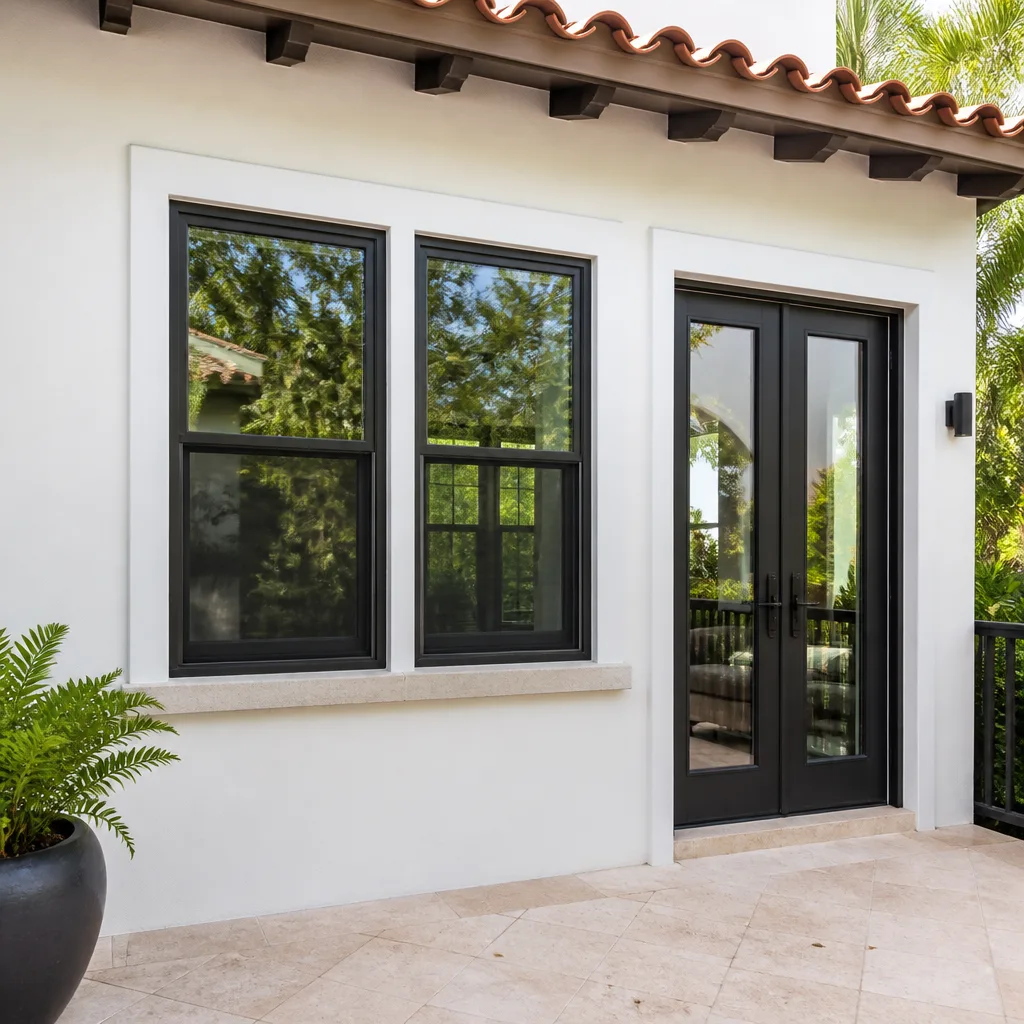 After
After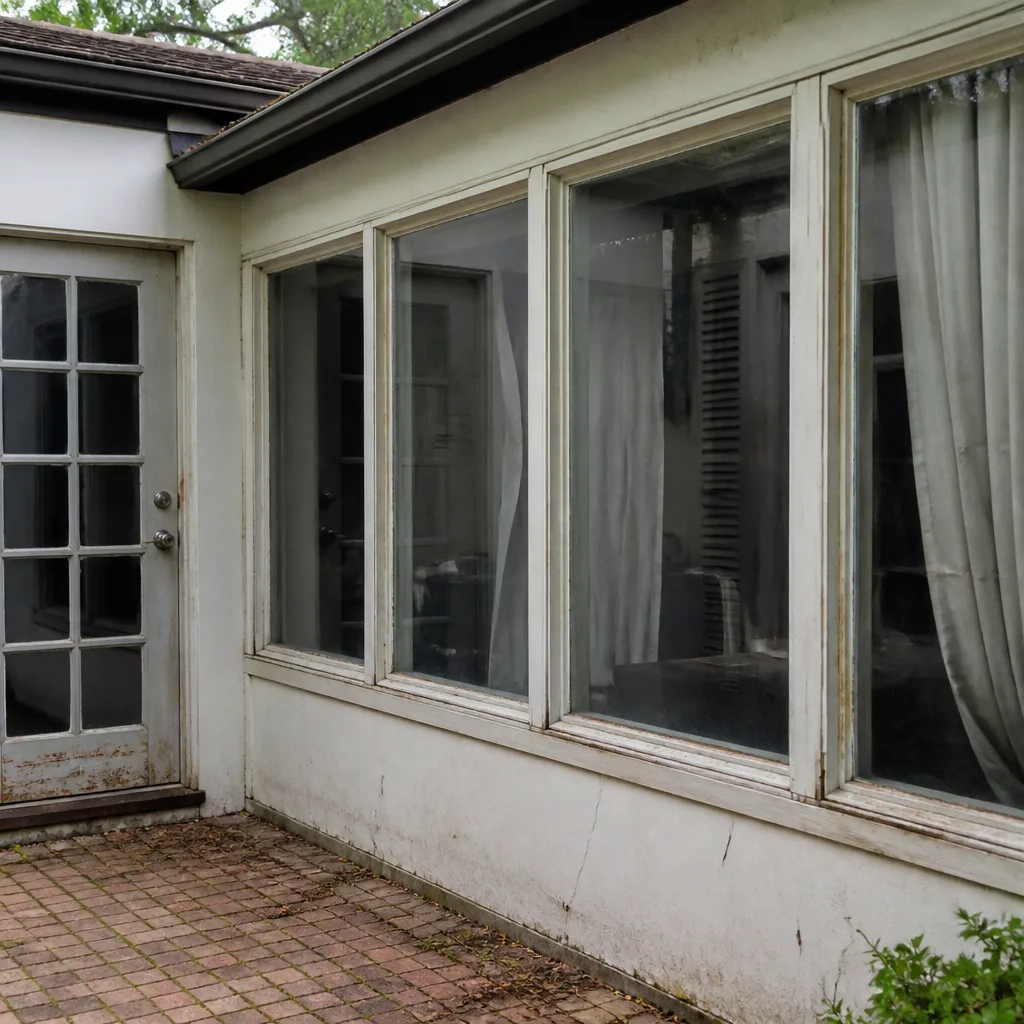 Before
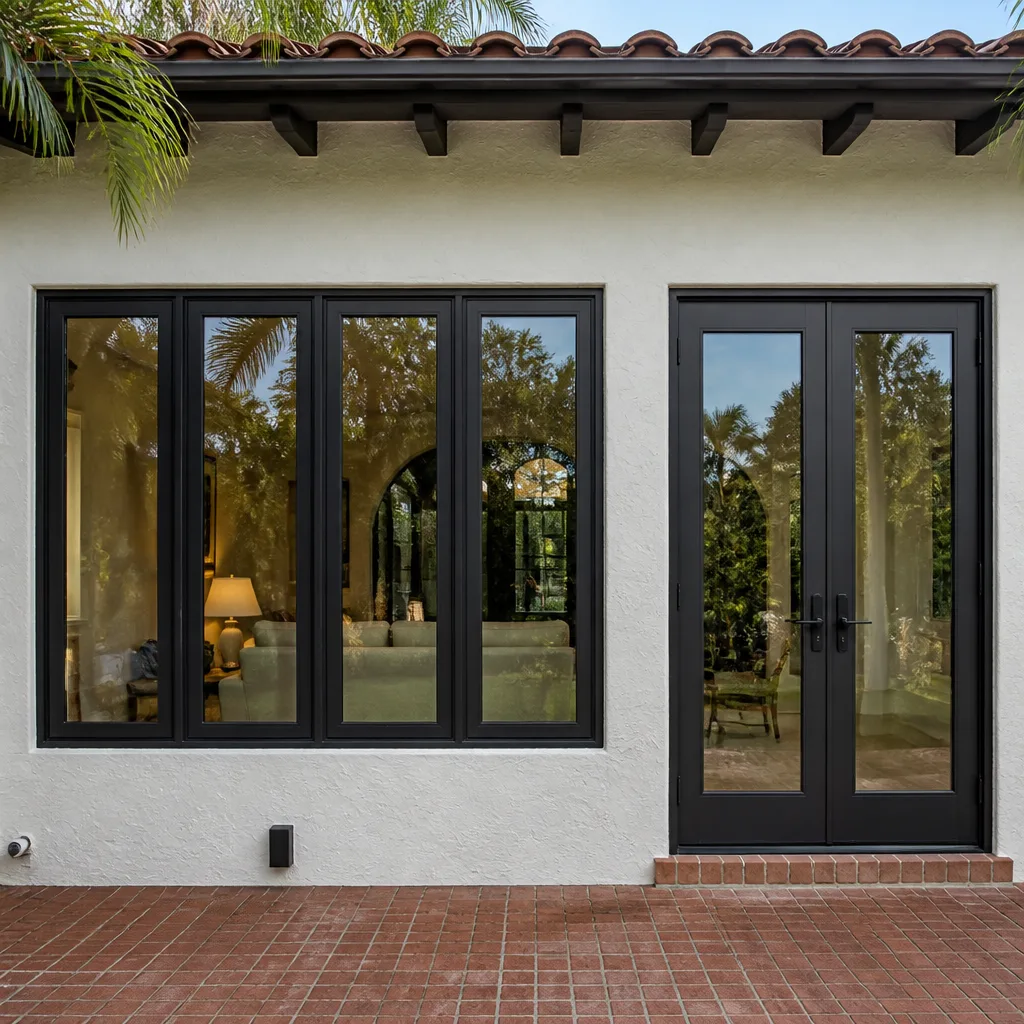 After
AfterImpact Windows Maintenance Checklist for Coral Gables Homeowners
The most common reason impact window hardware fails prematurely in coastal South Florida isn’t storm damage. It’s mineral deposit buildup from irrigation systems hitting frames weekly for years, a problem almost no maintenance guide even mentions. In Coral Gables, where reclaimed water runs through sprinklers and salt rides every ocean breeze, that chalky white crust works its way into locking tracks, weatherstripping, and weep holes until a window that should last thirty years starts binding at year eight. This guide gives you the exact twice-a-year routine we’ve refined over 15 years of servicing impact windows in Coral Gables, organized by month so you know precisely what to do and when to do it.
Quick Answer
Impact windows in Coral Gables need a focused maintenance pass twice a year: a pre-hurricane-season check in May and a post-season inspection in December. The routine takes under two hours per pass and covers four things most homeowners miss: irrigation mineral buildup on frames, multi-point locking hardware lubrication, weep hole clearing, and seal inspection at the sill, jamb, and head.
Table of Contents
- The Twice-a-Year Routine: Why May and December Matter in Coral Gables
- Irrigation Overspray: The Silent Hardware Killer
- How to Clean Impact Glass Without Damaging the Interlayer or Low-E Coating
- Multi-Point Locking Hardware: The Most Neglected, Most Expensive Component
- Spotting Early Frame-to-Wall Seal Failure Before Water Gets In
- Weep Holes and Drainage: Keeping Water Moving Out
- What PGT and CGI Warranties Actually Require (and What Voids Them)
- Common Mistakes to Avoid
- When to Call a Professional
The Twice-a-Year Routine: Why May and December Matter in Coral Gables
Most maintenance guides tell you to inspect your windows “seasonally,” which is vague enough to be useless. Coral Gables has a specific weather calendar, and your maintenance schedule should track it. Hurricane season runs June 1 through November 30. The heaviest rain typically arrives in late summer and early fall. Dry season runs November through April, when irrigation systems in Coral Gables neighborhoods like the Biltmore area, Hammock Oaks, and the Gables by the Sea run harder than any other time of year. That’s the window when mineral deposits accumulate fastest.
Here’s what a complete May and December pass looks like for a Coral Gables home:
May Pre-Hurricane-Season Checklist
- Inspect every weatherstrip and gasket. Run your finger along the seal where sash meets frame. If the rubber is flattened, cracked, or peeling away, replace it. A window with worn weatherstripping loses its water barrier exactly when you need it most.
- Test every lock and latch. Open and close each window fully, then lock it. Binding, grinding, or a latch that won’t fully engage means hardware needs cleaning and lubrication before the first named storm of the season.
- Check the weep hole drainage. Weep holes are the small slots at the bottom exterior of every impact window frame. They exist to drain water that gets past the outer seal. If they’re clogged with debris, dirt, or mineral crust, water backs up inside the frame and finds its way into your wall cavity.
- Clear the tracks. In Coral Gables, track debris is a mix of sand, oak pollen, and irrigation sediment. Vacuum the tracks, then wipe them with a dry cloth. Nothing wet; moisture attracts more grime.
- Verify glass integrity. Look for any chip, crack, or scratch on the glass surface. A chip smaller than a dime may not fail immediately, but under storm-pressure cycling, a small chip can propagate across the laminate. If you find one, document it with a photo and get it assessed before hurricane season peaks.
December Post-Season Checklist
- Repeat the full May inspection. Every item above applies again after the season ends. Storms stress every seal and piece of hardware, even on windows that performed perfectly.
- Check for frame deformation. Look for gaps that weren’t there in May, especially at the corners. High winds can shift the frame by millimeters, enough to create a future leak point.
- Wipe down mineral deposits. After the season’s storms and the start of dry-season irrigation, give every exposed frame a wipe-down with fresh water and a soft cloth, followed by a dry towel. This is your best defense against the slow-motion damage described in the next section.
- Document everything. Keep a simple notebook or phone note with the date, what you inspected, and anything you replaced. If a warranty claim ever comes up, dated maintenance records are your strongest argument that you held up your end of the deal.
We’ve been maintaining and replacing impact windows in Coral Gables since 2011, and the homes that follow this twice-a-year rhythm simply don’t have the mid-life hardware failures we see elsewhere. The routine isn’t complicated. It’s just specific.
Irrigation Overspray: The Silent Hardware Killer
Here’s a scene we encounter regularly in Coral Gables: a homeowner has impact windows that are eight or nine years old, well within their expected lifespan, and the locks start seizing. The frame looks fine. The glass is intact. But every mechanism is coated in a white, chalky crust that no amount of WD-40 will permanently fix. The culprit is almost always the sprinkler system.
South Florida reclaimed water is full of dissolved minerals, primarily calcium and magnesium. When sprinkler heads mist your window frames, the water evaporates and leaves those minerals behind. Over hundreds of weekly cycles, the deposits build up inside lock mechanisms, along sliding tracks, and in the tiny channels where weatherstripping seats. What starts as cosmetic gets mechanically destructive.
Here’s what you should look for in Coral Gables:
- White or gray film on lower frames and sills. This is the first visible sign. If you can scrape it with a fingernail, it’s already thick enough to affect moving parts.
- Locks that require extra force. Mineral grit inside a multi-point lock increases friction dramatically. Once the internal plates start wearing against the grit, replacement is the only fix.
- Tracks that grind instead of slide. The sound is unmistakable. Grinding means mineral particles are embedded in the track and the roller or shoe is taking damage every time the window moves.
- Weep holes crusted shut. This is the most dangerous failure. Clogged weep holes trap water inside the frame. Over a wet Coral Gables summer, that water has nowhere to go but into your sill and wall.
The fix is partly mechanical and partly behavioral. Adjust sprinkler heads so they don’t spray directly on window frames, or switch to lower-trajectory nozzles where adjustment isn’t possible. Then, every time you run your May and December maintenance pass, wipe the frames with a damp cloth followed by a dry one. For deposits that have already hardened, a 50/50 mix of white vinegar and water applied to a cloth (never sprayed directly because overspray reaches the seals and hurts them) dissolves calcium buildup on frames and tracks. Make sure you wipe the area with plain water afterward and dry it completely.
How to Clean Impact Glass Without Damaging the Interlayer or Low-E Coating
Impact glass isn’t ordinary window glass, and cleaning it like ordinary window glass shortens its life. Laminated impact glass is a sandwich: two panes of tempered or annealed glass bonded to a clear plastic interlayer, typically polyvinyl butyral (PVB). On the room side, most Coral Gables installations also include a Low-E coating, a microscopic metallic layer that reflects heat. Both the interlayer and the coating have specific vulnerabilities to the wrong cleaning methods.
The cleaning rules are straightforward:
- Never use ammonia-based glass cleaners. Ammonia breaks down the PVB interlayer over time and corrodes Low-E coatings. Most blue liquid glass cleaners contain ammonia. Read the label.
- Never use abrasive pads, scrapers, or razor blades. A razor blade on PVB scratches deeply and permanently. Micro-scratches on the interlayer are inside the laminate, so they can’t be polished out. The damage is irreversible, and it creates a foggy appearance that gets worse over years.
- Never use a pressure washer on glass or frames. The pressure forces water past seals and into the frame cavity. In Coral Gables, the combination of pressure and mineral-laden water is doubly harmful.
The right method is simpler and cheaper than the wrong ones:
- Mix a few drops of mild dish soap with warm water. That’s it.
- Use a soft microfiber cloth to wash the glass. Don’t use paper towels; they leave microscopic fibers that dull the surface over time.
- Dry with a clean, dry microfiber cloth or a soft squeegee. Streaks left behind create mineral spots, especially if your Coral Gables home has hard water, so the drying step matters.
- For mineral spots that have already formed on exterior glass, use the vinegar-and-water solution described above. Apply it only to the glass, not the seals, and rinse with clean water afterward.
One more note specific to impact windows: because the glass is laminated, small chips and scratches don’t look dramatic from the outside, but they compromise the interlayer’s integrity. If you catch a scratch during cleaning, have it assessed. A technician who knows window installation in Coral Gables can tell you in five minutes whether it’s cosmetic or structural.
Multi-Point Locking Hardware: The Most Neglected, Most Expensive Component
Impact-rated doors, whether they’re built by PGT, CGI, CWS, or rely on multi-point locking systems. These are the mechanisms that throw bolts into the frame at three or more points when you lift the handle or turn the key. They’re a core part of the door’s impact and wind rating. They’re also the component most likely to fail if neglected, and the component most expensive to replace when it does.
A full multi-point lock replacement on an impact door in Coral Gables typically runs several hundred dollars, and if the door is an older model where the hardware has been discontinued, the replacement can require re-machining the door slab or replacing the door entirely. For a detailed look at what these projects cost, see our Windows & Doors Cost Breakdown: The Coral Gables Homeowner’s Reference for 2026. A $15 tube of lubricant and ten minutes twice a year prevents almost all of this.
Here’s the exact maintenance routine:
- Inspect the lock body. Open the door and look at the edge where the bolts engage. You should see three to five bolt heads, and all of them should move freely when you operate the handle. If any bolt sticks, binds, or fails to fully extend, the mechanism is already compromised.
- Check the strike plates on the frame. Each bolt should seat cleanly into its plate. If the door rubs against the plate or the bolt scrapes the edge, the door may have settled slightly, or the hinge screws may be backing out. Tighten hinge screws first; that solves more alignment problems than any hardware adjustment.
- Clean the mechanism. Use compressed air or a soft brush to remove dust and mineral grit from the lock body. In Coral Gables, irrigation overspray finds its way into door hardware the same way it gets into window tracks. If you can’t reach the internal mechanism, don’t force anything.
- Lubricate correctly. Use a dry silicone or PTFE spray, not oil-based lubricants and never WD-40. Oil attracts dust and sand, which turns into grinding paste inside the mechanism. Spray a light coat on the visible moving parts, bolt heads, and strike plates, then operate the lock ten times to distribute it. Wipe off any excess.
- Test the locking sequence. Close the door, lift the handle fully, and verify every bolt is engaged. If the door requires force to lift the handle or the bolts don’t all seat, stop using the lock and call a pro. Forcing a failing multi-point lock is how a small adjustment turns into a full replacement.
We stock replacement hardware for all the brands we install, which means a call to us about a sticking multi-point lock usually ends in a same-visit fix, not a two-week parts order. That’s the practical benefit of working with a Coral Gables company that installs the brands we service.
Spotting Early Frame-to-Wall Seal Failure Before Water Gets In
The seal between your impact window frame and the wall opening is not the same thing as the seal between your sash and frame. The frame-to-wall seal is a bead of sealant, usually silicone or polyurethane, applied at installation around the entire perimeter where the window frame meets the stucco, concrete, or wood buck. This is the seal that keeps wind-driven rain from getting behind the frame and into your wall cavity. In Coral Gables, with its summer thunderstorms and occasional hurricane-force winds, this seal is under real pressure every single year.
The good news is that frame-to-wall seal failure gives you early visual warning signs. You just have to know where to look.
At the Sill
The sill is the most common failure point because it sits in water during every rain. Look for sealant pulling away from the stucco or frame, gaps where the bead was, or discoloration running down from the sill because water has been getting behind the bead and staining the surface below. Also check for soft or flaking stucco directly under the sill, a sign of long-term water saturation.
At the Jambs
The vertical sides show stress differently. Look for hairline cracks running vertically through the sealant bead, gaps that open when you press gently on the frame, or efflorescence (white mineral staining) on the wall surface beside the window. That white staining is water moving through the wall assembly and leaving minerals behind on the way out. It’s a telltale in Coral Gables homes that run sprinklers near the foundation.
At the Head
The top of the window is protected from direct rain by the roof overhang, but it’s still exposed to rising moisture and humidity. Look for gaps between the head and the sealant, or sealant that has hardened and cracked in the sun. UV exposure in South Florida degrades sealant faster than almost anywhere in the country, so a bead that looked perfect five years ago may be visibly failing today.
If you find gaps, don’t just caulk over the old sealant. The proper fix is removing the failed bead, cleaning the surfaces, applying a backer rod where the gap is deep, and then laying a new bead of high-quality exterior sealant. For anything beyond a hairline crack, this is work worth having a professional do. A bad reseal job just hides a water intrusion problem behind a fresh bead of caulk, and by the time the leak shows inside your Coral Gables home, you’re dealing with drywall repair, mold, or rotted framing rather than a simple seal replacement. If you’re considering window replacement in Coral Gables, your installer should be inspecting and re-sealing every opening regardless.
Weep Holes and Drainage: Keeping Water Moving Out
Impact window frames are designed to handle water. The exterior seal is the first line of defense, but the design assumes some water will get past it during a driving rain. That’s why frames have weep holes: small openings at the bottom exterior that let water drain out before it reaches the interior. The system only works if the weep holes are open, clean, and properly positioned.
In Coral Gables, weep holes clog three ways:
- Irrigation mineral deposits. The same calcium buildup that destroys hardware also crusts over weep holes. This is the most common clog we see, and it’s entirely preventable with the frame-wiping routine described earlier.
- Lawn debris. Mowing, edging, and leaf blowing near the foundation send grass clippings and dirt into the lowest part of the frame, which is exactly where the weep holes are.
- Insect activity. South Florida provides year-round mud dauber season. These wasps love small openings, and a 3/8-inch weep hole is perfect real estate. We’ve pulled dozens of mud nests out of weep holes in Coral Gables.
Clearing weep holes is simple. Use a soft brush, a pipe cleaner, or compressed air to remove the debris. Don’t use a screwdriver, a wire, or anything metal; you’ll scratch the frame coating and create a rust point. While you’re at it, check that the weep holes are positioned at the lowest point of the frame. If the window was installed slightly out of level, water pools at the low end where there’s no weep hole, and the drainage system can’t do its job. That installation defect is more common than most homeowners realize and often doesn’t surface until a heavy rain reveals water inside.
After you clear the weep holes, pour a small amount of water into the exterior track and watch it drain. If water pools and doesn’t drain freely, the internal channels are blocked and the window needs professional service.
What PGT and CGI Warranties Actually Require (and What Voids Them)
PGT and CGI both publish detailed warranty documents, and both make clear that owner maintenance obligations are part of the deal. Most homeowners never read these documents until a warranty claim is denied, which is the worst possible time to learn the rules. Here’s what you need to know as a Coral Gables homeowner with PGT or CGI products.
PGT. PGT’s standard warranty covers the glass laminate against seal failure and the frame against manufacturing defects. The warranty document specifies that homeowner maintenance of moving parts, weatherstripping, and weep hole drainage is required. PGT will not cover hardware failure caused by accumulated debris, mineral deposits, or improper cleaning. In practice, that means if your lock seizes because irrigation water crusted up the mechanism, the warranty doesn’t apply. If the warranty claim relates to manufacturing, PGT requires proof of purchase and installation by an authorized dealer; self-installed PGT windows are generally excluded from the warranty.
CGI. CGI’s warranty has similar structure: glass and frame covered against defect, hardware covered for a more limited period, and homeowner maintenance requirements written explicitly into the document. CGI’s warranty also contains a treatment clause for coastal environments. Homes within a specified distance of salt water are required to rinse exterior frames with fresh water periodically, because salt spray accumulation on aluminum or stainless components is considered an environmental condition, not a manufacturing defect. Coral Gables sits close enough to the coast that this clause applies to many of our customers.
What voids a warranty outright? Here’s the short list that applies to both brands:
- Modifying the window or door. Drilling holes, adding aftermarket hardware, or painting frames with anything other than manufacturer-approved finishes.
- Improper installation. For this reason, both brands require installation by an authorized, trained dealer. This is one of the strongest arguments for using a Coral Gables installer with documented brand authorization.
- Using incorrect cleaning products. Ammonia-based cleaners, abrasive pads, and pressure washing are all explicitly identified as misuse in the warranty documents.
- Neglecting documented maintenance. If a failure is attributable to lack of cleaning, lubrication, or drain maintenance, the claim will be denied. Your May and December log is your evidence of compliance.
Here’s the part most more guides & resources skip: what’s approved for DIY, and what isn’t. Both PGT and CGI explicitly allow, and in fact require, owner-performed cleaning, visual inspection, weatherstripping replacement, weep hole clearing, and hardware lubrication. What they do not allow is owner modification of the glass, frame, or locking mechanism. If a part needs replacement, warranty coverage depends on the replacement part being manufacturer-approved and installed to spec. The safe rule for Coral Gables homeowners: DIY the inspection, cleaning, and lubrication. Call a professional for anything involving structural adjustment, seal replacement, or hardware replacement on a warrantied product. Ed Winslow had his name on impact window service in Coral Gables for over 15 years, and the number one reason we get called into warranty situations is because someone’s neighbor or handyman “fixed” the window and made it unfixable.
Common Mistakes to Avoid
- Skipping the twice-a-year inspection because “the windows still work fine.” Impact windows fail gradually. By the time a lock binds or a leak shows inside, the underlying problem has been developing for years. In Coral Gables, mineral buildup and UV degradation compound slowly, then fail suddenly.
- Using WD-40 on multi-point hardware. WD-40 is a penetrant and water displacer, not a lubricant. It attracts dust and grime, quickly makes hardware stiffer than before, and leaves a residue that is difficult to remove. Use dry silicone or PTFE spray instead.
- Cleaning impact glass with ammonia-based glass cleaner. This is the single most common mistake we see, and it does permanent, cumulative damage to the PVB interlayer and the Low-E coating. Every time you use ammonia, you’re shortening the lifespan of the most expensive glass in your home.
- Ignoring sprinkler overspray on window frames. Adjusting sprinkler heads is a free repair with a screwdriver. Replacing mineral-damaged hardware is a multi-hundred-dollar repair. In Coral Gables, reclaimed water makes this risk much higher than homeowners realize.
- Caulking over failed sealant instead of removing and replacing it. New caulk over old caulk doesn’t adhere properly and hides the problem without fixing it. The water intrusion continues behind the bead, and by the time you see interior damage, the repair is far more expensive.
- Assuming the warranty covers everything. PGT and CGI warranties are specific about what they cover and what they require from the homeowner. Neglecting documented maintenance, using improper cleaning products, or making unauthorized modifications all void coverage. Read the document that came with your windows.
- Using a pressure washer on any part of the window system. Pressure washing forces water past seals, damages Low-E coatings, and can crack stucco around the frame. In South Florida, the combination of pressure and humidity accelerates the damage.
When to Call a Professional
There’s a clear line between maintenance you should do yourself and service that requires a trained eye. You should call a professional when you see any of the following: a crack or chip in the impact glass, water staining inside the home around a window or door that wasn’t there before, a multi-point lock that binds or won’t fully engage, frame-to-wall seal gaps wider than a hairline, or a window that no longer opens and closes smoothly after you’ve cleaned and lubricated the tracks. All of these indicate a problem that’s beyond routine maintenance, and most of them get more expensive the longer you wait. Winslow Windows & Doors serves Coral Gables with free estimates and maintenance assessments. Call (904) 478-8983, and we’ll tell you honestly whether you need service at all. That’s the point of having a neighbor who does this work. Ed Winslow has been serving Coral Gables since 2011, and we’d rather help you maintain what you have than replace it before its time.
Frequently Asked Questions
Impact windows in Coral Gables need a focused maintenance pass twice a year, in May before hurricane season and in December after it ends. Each pass takes one to two hours and includes inspection of weatherstripping, locks, weep holes, tracks, glass, and frame-to-wall seals. Homes with heavy irrigation overspray should add a monthly frame wipe-down during dry season from November through April.
The best cleaner for impact glass is warm water with a few drops of mild dish soap applied with a soft microfiber cloth, then dried with a clean dry microfiber cloth. Avoid ammonia-based glass cleaners because ammonia degrades the PVB interlayer and Low-E coating over time. Never use razor blades, abrasive pads, or pressure washers on impact glass, as they damage the laminate permanently. For hard water spots on exterior glass in Coral Gables, a 50/50 white vinegar and water solution on a cloth works well when rinsed off afterward.
PGT and CGI warranties are voided by modifications to the window or door, including drilling holes, adding aftermarket hardware, or painting with non-approved finishes. They are also voided by improper installation, misuse of cleaning products like ammonia-based or abrasive cleaners, and damage caused by neglected maintenance, such as seized hardware from mineral buildup or clogged weep holes. Coastal homes may also be required by the warranty to rinse frames with fresh water periodically to remove salt spray.
Look for sealant pulling away from the stucco or frame, visible gaps in the bead, hairline cracks, or white mineral staining (efflorescence) on wall surfaces beside the window. At the sill, check for soft or flaking stucco below the window and discoloration from water. Any of these signs means water may be getting behind the frame, and early repair is much less expensive than letting the intrusion continue. If you see interior staining or water inside, call a professional immediately.
Stiff locks on Coral Gables impact windows are almost always caused by mineral deposits from irrigation systems hitting the frames. Reclaimed water in South Florida is high in calcium and magnesium, which build up inside lock mechanisms over hundreds of weekly sprinkler cycles. The fix is to adjust sprinkler heads away from windows, wipe frames regularly during dry season, and lubricate locks with dry silicone or PTFE spray, never oil-based lubricants or WD-40.
No. Pressure washing impact windows forces water past the seals into the frame cavity and can damage the Low-E coating, crack stucco, and create leaks that were never there before. The correct method is a soft cloth with mild soap and water, followed by a dry microfiber cloth. Pressure washing is listed in PGT and CGI warranty documents as a type of misuse that voids coverage.
The Bottom Line
Impact windows are tougher than standard windows, but “tougher” doesn’t mean “maintenance-free.” In Coral Gables, four specific threats shorten their lifespan: irrigation mineral buildup, ammonia-based glass cleaners, clogged weep holes, and frame-to-wall seal failure that goes unnoticed. The defense is a twice-a-year maintenance pass in May and December that takes under two hours and costs almost nothing. Keep the locks lubricated with dry silicone, keep the glass clean with mild soap, keep the weep holes clear, and document everything. If you find something you can’t fix, a professional assessment costs nothing. Winslow Windows & Doors serves Coral Gables with free estimates and honest advice. Call (904) 478-8983, or visit the Winslow Windows & Doors home page to learn more about us.
Written by Ed Winslow, Owner at Winslow Windows & Doors, serving Coral Gables since 2011.
Six Reasons Homeowners Choose Winslow Windows & Doors
Impact systems engineered to design pressures up to +/-100, matched to your wind zone - your openings hold when the storm arrives.
Low-E insulated impact glass from our manufacturer lines commonly cuts monthly cooling bills 20-30%.
Laminated impact glass shuts out up to 40% of outside noise - traffic, neighbors, weather.
Monitoring services run $30-90 a month. Laminated impact glass resists forced entry around the clock, with no subscription.
Florida homeowners average around 25% savings on the windstorm portion of their policy after protecting every opening - some homes qualify for more.
A full impact package upgrades curb appeal, buyer confidence and appraised value in one project.