
Last updated August 27, 2026
Free in-home measure and quote - PGT, CGI and CWS impact lines compared on your actual openings, style by style
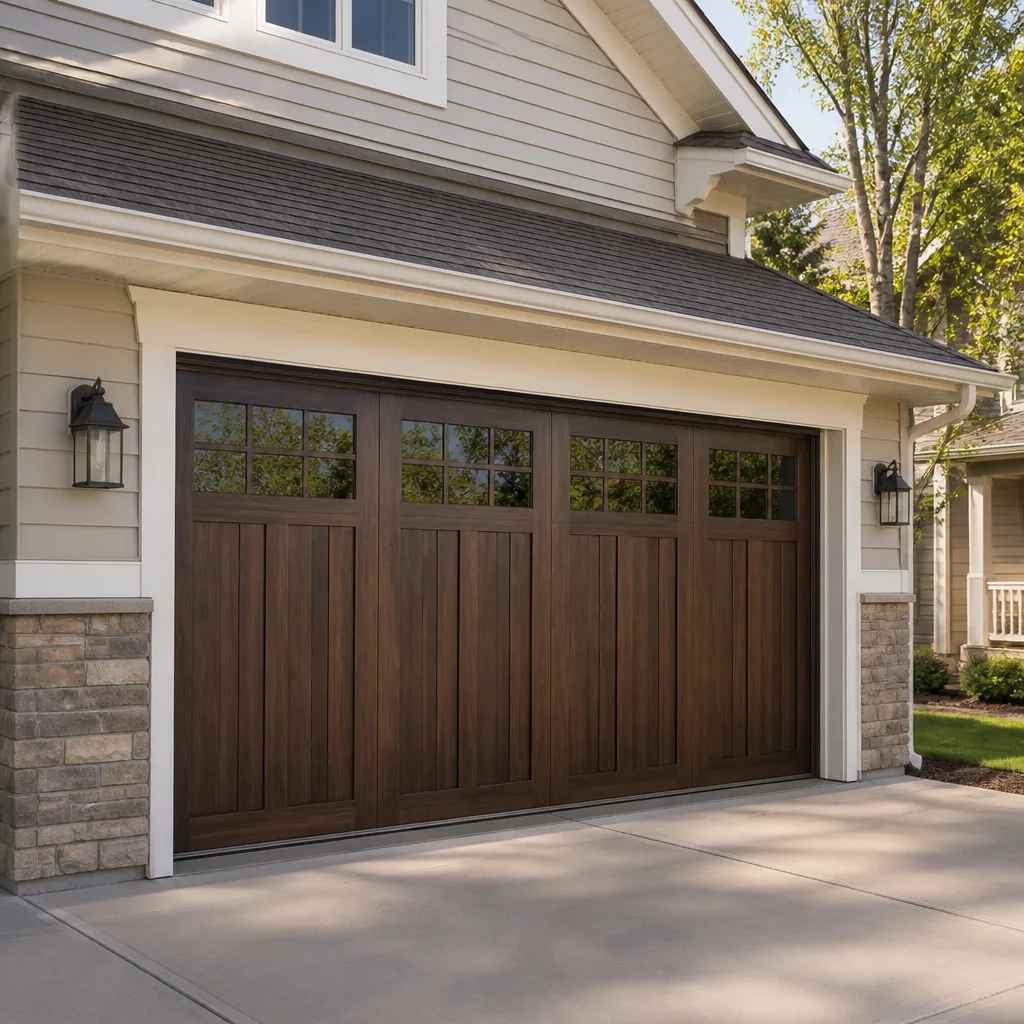
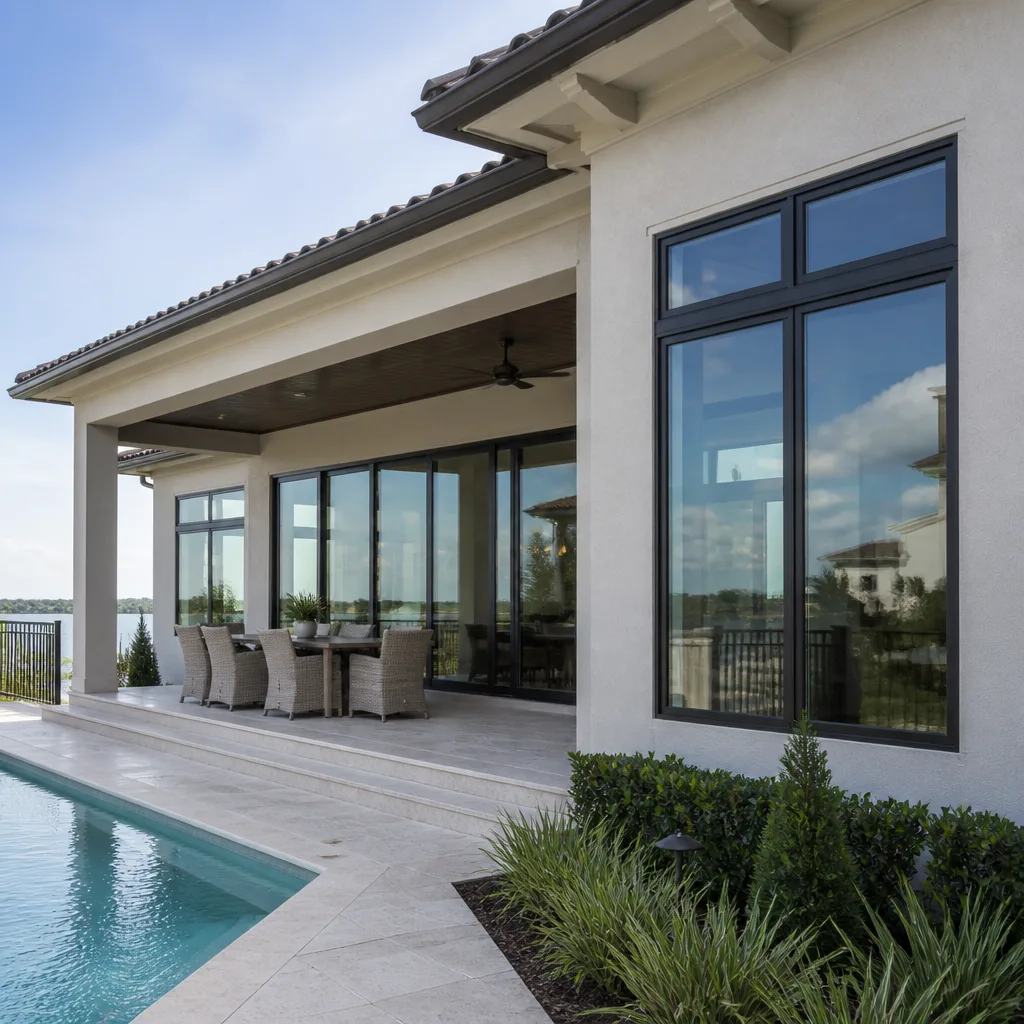
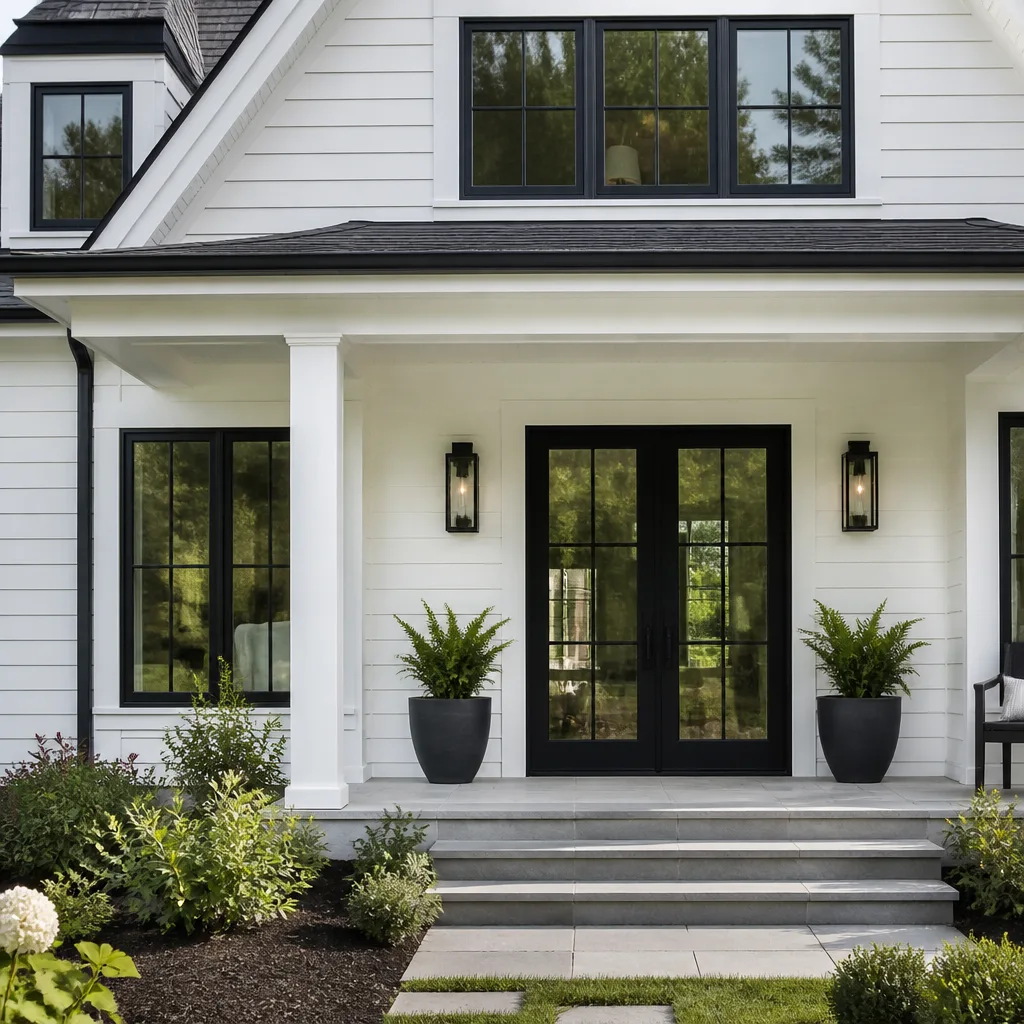
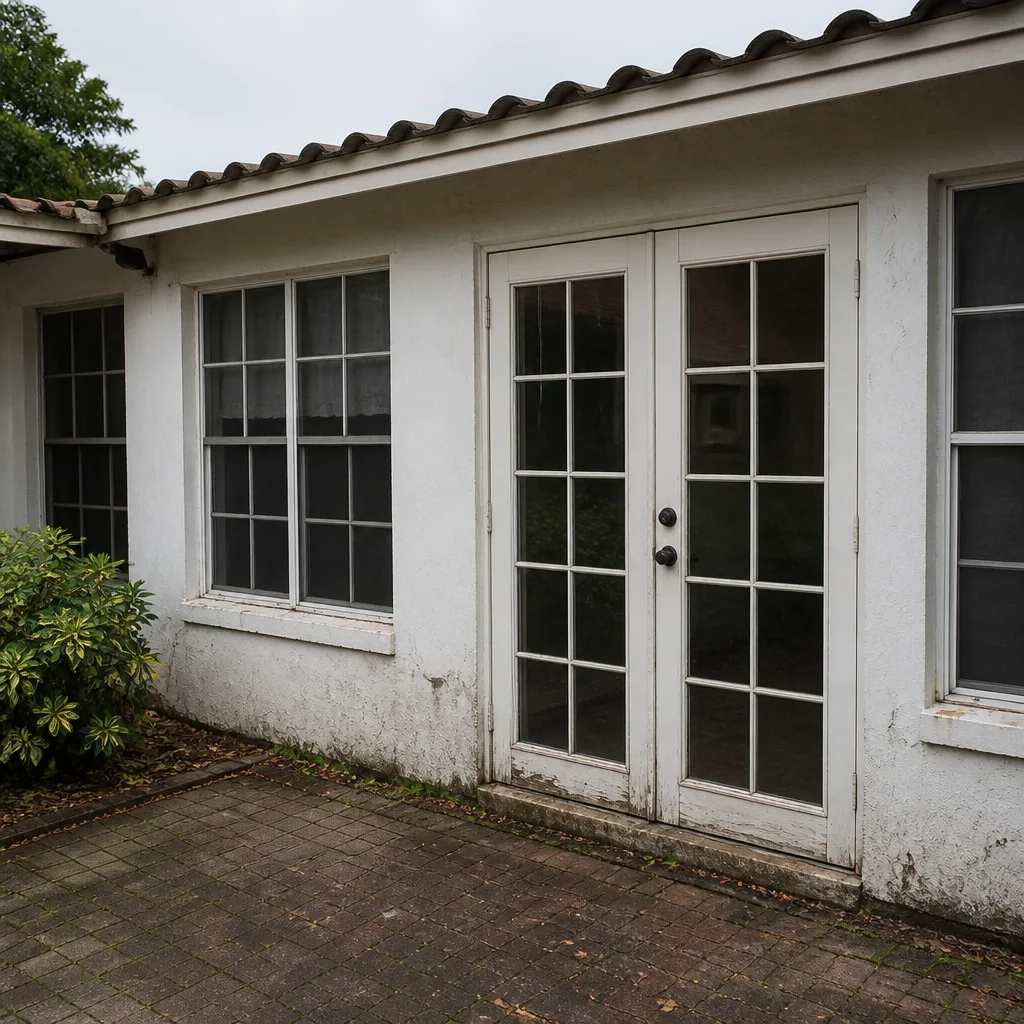 Before
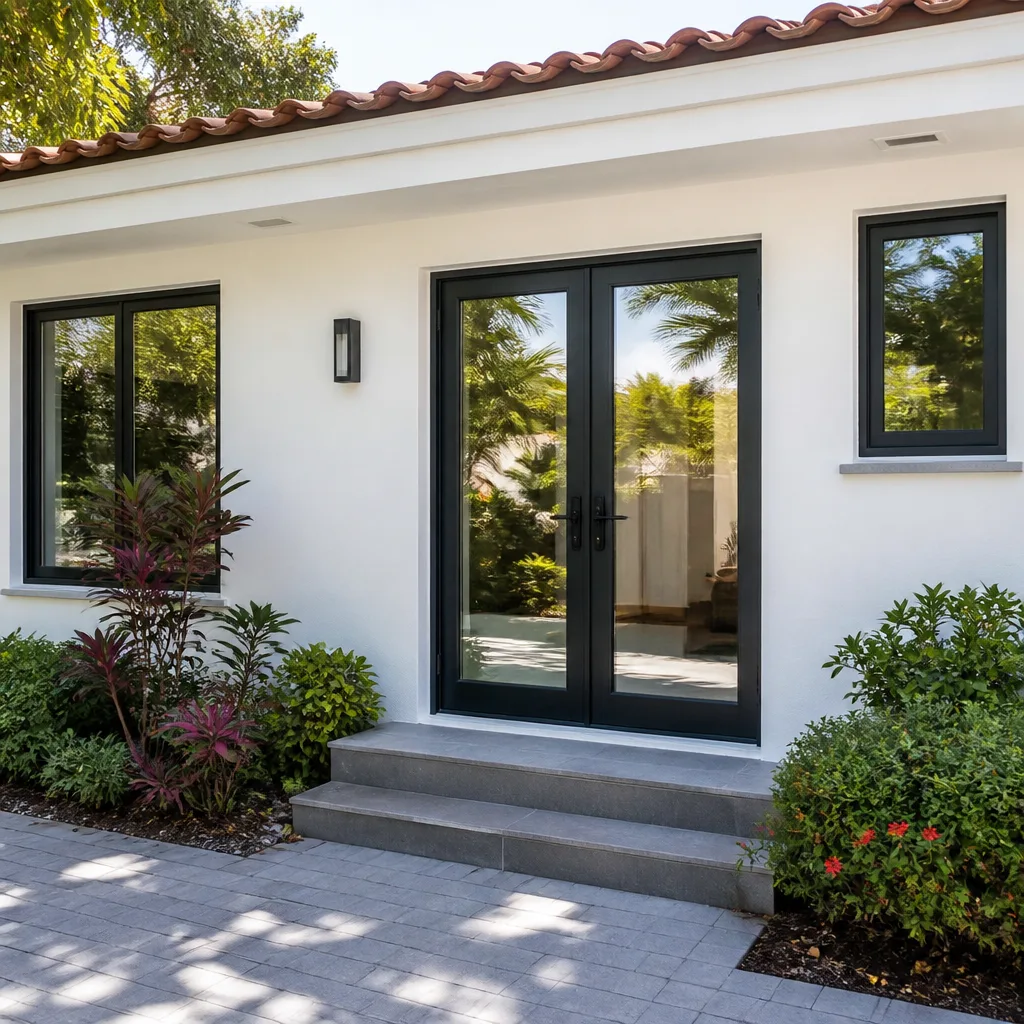 After
After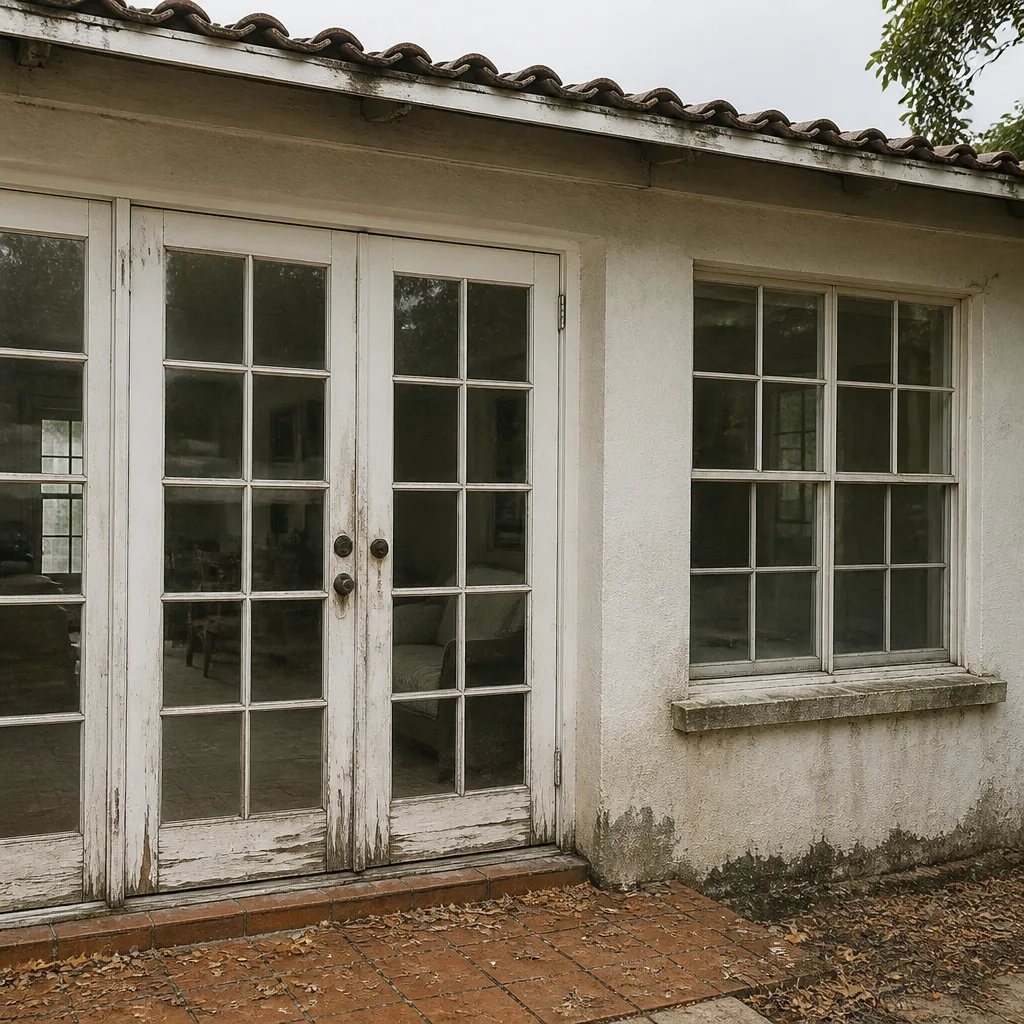 Before
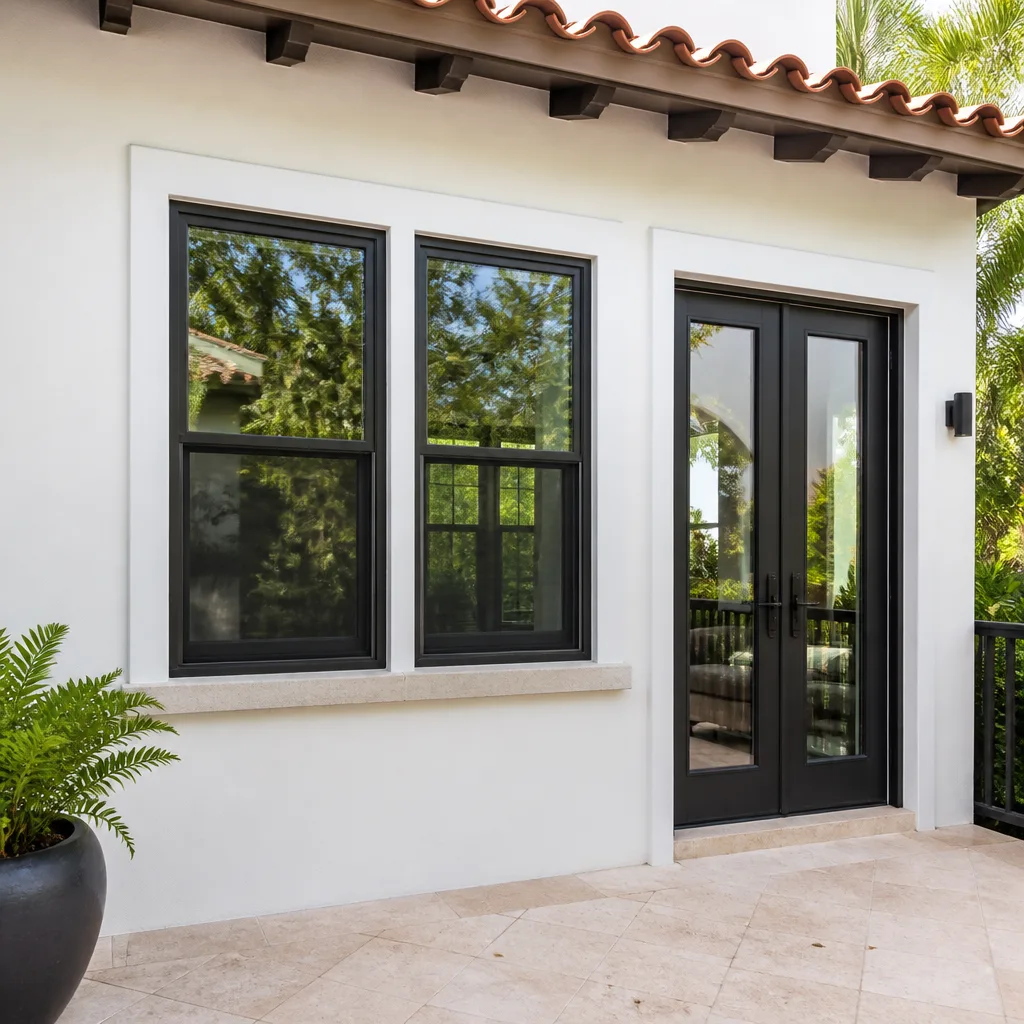 After
After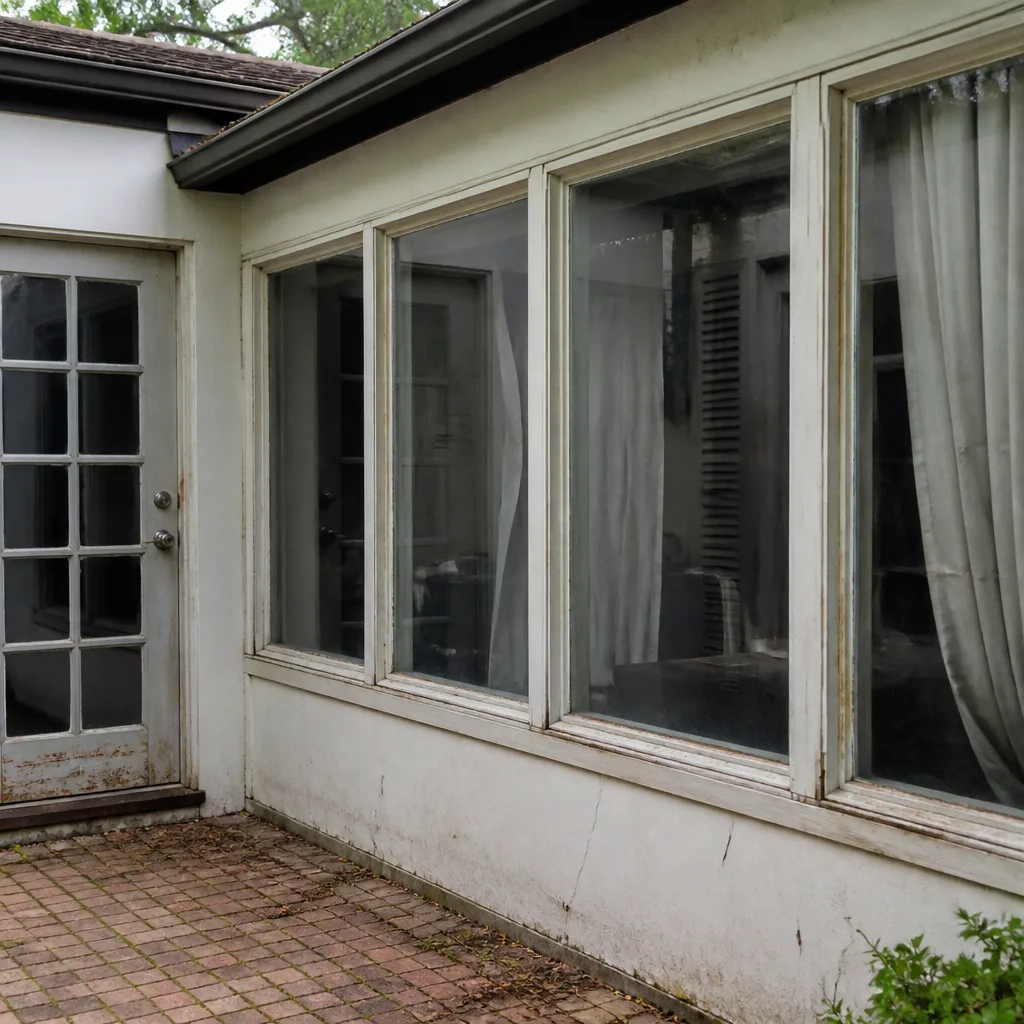 Before
 After
AfterWindows & Doors Permits, Codes & Inspections in FL: What You Need to Know
A window job permitted through Miami-Dade County and the same job permitted through the City of Coral Gables follow completely different submission portals, review queues, and inspection booking systems. Using the wrong one doesn’t just slow you down, it invalidates the permit application entirely. Florida’s building code is one document, but Coral Gables runs its own building department with its own submission process, review timeline, and inspection protocol. This guide maps the actual Coral Gables path, not the generic Florida version you’ll find on most contractor websites. For The Complete Guide to Windows & Doors in Coral Gables, see our full resource. You’ll learn what permits are actually required, what a Miami-Dade NOA is and why it matters, what inspectors look for, and what unpermitted work costs you down the road.
Quick Answer
Window and door replacement in Coral Gables requires a permit from the City of Coral Gables Building Department, not Miami-Dade County. For impact products, the specific window or door model must carry an active Miami-Dade Notice of Acceptance (NOA), which proves it passed county-level impact testing. Expect two inspections: a rough inspection after the opening is prepared and a final inspection after installation is complete. For details on spotting trouble early, read Windows & Doors Warning Signs: A Coral Gables Homeowner’s Reference Guide. Budget roughly $75 to $200 for permit fees on a typical single-opening replacement, plus the cost of drawings and the contractor’s time for inspections.
Table of Contents
- Coral Gables vs. Miami-Dade: Why the Permit Path Is Different
- What Permits Are Actually Required for Window and Door Work
- Miami-Dade NOA: The Legal Prerequisite Nobody Explains
- Documents You Should See Before Work Starts
- The Permit Application Process, Step by Step
- Rough and Final Inspections in Coral Gables: What Happens and What Fails
- The Real Cost of Unpermitted Window and Door Work
- Why Impact Windows Have Stricter Code Requirements
Coral Gables vs. Miami-Dade: Why the Permit Path Is Different
The City of Coral Gables has operated its own building department for decades. If your property sits inside city limits, your permit application goes through the city’s ePlan review system, your inspections are scheduled through the city’s portal, and your inspector is a City of Coral Gables employee. Miami-Dade County’s permitting system does not apply to you, even though you live in Miami-Dade County. This confuses contractors from neighboring cities all the time. A contractor who does most of their work in unincorporated Miami-Dade or in cities that defer to the county system may file through the county portal out of habit. That application gets rejected, and the clock resets.
This distinction matters because Coral Gables has its own amendments to the Florida Building Code. The city enforces stricter architectural review standards in certain neighborhoods, particularly historic districts like the Coral Gables Mediterranean Revival areas. A window replacement that sails through county review in Kendall may need additional documentation in Coral Gables, especially if the home is a contributing structure in a locally designated historic district. The city also sets its own fee schedule, which is typically higher than the county’s unincorporated-area fees.
Before you sign a contract, ask your contractor one question: “Have you pulled permits in Coral Gables specifically, and can you walk me through the city’s ePlan process?” If you get a blank stare, keep looking. The Winslow Windows & Doors home page and our service pages are built around the reality that local permitting knowledge is part of the job, not an afterthought.
From our seat as a Coral Gables installer since 2011, we’ve seen that jobs permitted correctly through the city actually move faster than jobs filed through the wrong portal and then corrected. The city’s review staff knows the code, and they know the product lines commonly installed here. A clean application with the right NOA attached goes through without friction.
What Permits Are Actually Required for Window and Door Work
Under the Florida Building Code, 7th Edition (2023), which took effect December 31, 2023, window and door replacement is not a “like-for-like, no permit needed” item. The code requires a permit when the work involves cutting into the structure, changing the opening size, or replacing an entire window or door unit. The only window work that typically avoids a permit is replacing glass only within an existing frame when the frame itself is not removed. Replacing a full window or door unit, including the frame, is a structural alteration and requires a permit.
Here is the breakdown for Coral Gables specifically:
- Full window replacement (frame and sash): Permit required. Rough and final inspections required.
- Full door replacement (exterior door and frame, including sliding glass doors): Permit required. Rough and final inspections required.
- Glass-only replacement within existing frame: Generally no permit, but if the window is in a historic district, check with the city’s preservation office first.
- New window or door openings (cutting through block or framed wall): Permit required, plus engineered drawings and a site plan showing the new opening. This is a more involved review.
- Garage door replacement: Permit required if the door is a structural element of the garage or if the replacement changes the opening size. Impact garage doors have their own NOA requirements.
Coral Gables adds one layer: the city’s zoning code may also require a separate zoning approval if the work changes the appearance of the home from the street. Most direct replacements of windows with the same size and style do not trigger zoning review. But if you’re changing window shapes, adding a door where a window was, or altering any street-facing elevation, expect the Building Department to route the application through zoning as well.
One more thing most homeowners don’t know: if your home is in a Coral Gables historic district, you may need a Certificate of Appropriateness from the city’s Historical Resources Department before the building permit can be issued. This is a separate review and a separate timeline. We’ve done Window Replacement in Coral Gables in several historic properties, and the paperwork path is different enough that we handle it as its own project phase.
Miami-Dade NOA: The Legal Prerequisite Nobody Explains
A Miami-Dade Notice of Acceptance, or NOA, is a product approval document issued by the Miami-Dade County Product Control Section. It certifies that a specific window, door, or shutter model passed the county’s high-velocity hurricane zone testing: missile impact, cyclic wind pressure, and water infiltration. Florida law, specifically in the high-velocity hurricane zone of Miami-Dade and Broward counties, requires that any impact-resistant product installed in a building must have an active NOA. The requirement is not optional. An inspector can and will fail a final inspection if the product’s NOA number does not match what is installed or if the NOA has lapsed.
Verifying an NOA is straightforward, and you should do it before your contractor orders anything. Here’s the process:
- Ask your contractor for the exact product model and NOA number for every window or door in the scope of work.
- Go to the Miami-Dade County Product Control search portal online.
- Enter the NOA number or search by manufacturer and product line.
- Confirm the NOA is active (not expired, not revoked) and that the product’s specifications match what your contractor is quoting: size, glass type, design pressure rating, and impact rating.
- Print or save the NOA summary page. You should see it again at the permit application stage.
Design pressure, or DP, is the key number on the NOA. A window with a DP 50 rating has passed testing at a higher wind pressure standard than a DP 35 window. Coral Gables is on the coast, and the Florida Building Code’s wind speed maps put the city in a high-wind zone. Your specific home’s required design pressure depends on its location, height, and exposure, but for most single-family homes in Coral Gables, you’re looking at DP 50 or higher for impact products. The NOA must match or exceed what the code requires for your specific address.
We install PGT and CGI impact products because their NOA documentation is comprehensive and their product lines carry current NOAs across a wide range of sizes and styles. When we prepare a permit package for a Coral Gables job, the NOA summaries go into the application right alongside the permit drawings. The city’s reviewers check the NOA against the product schedule every time. For non-impact applications like Therma-Tru entry doors, the NOA requirement may not apply in the same way, but we still provide product approval documentation so the review moves cleanly.
Documents You Should See Before Work Starts
Before any window or door work begins at your Coral Gables home, you should have four documents in hand. If any of these are missing, the job is not ready to start, and you should not let a crew near your walls. Here is the list, with what each document actually proves:
- The permit application, filed and paid: This is the document that starts the legal process. It shows the address, scope of work, contractor name and license number, and product schedule. In Coral Gables, you should be able to verify the permit’s status through the city’s online portal. A contractor who says permits are “in process” without showing you a filed application is not being straight with you.
- The product NOA: As covered above, for any impact-rated window, door, or garage door in the high-velocity hurricane zone, the NOA is the legal proof the product passed county testing. You should see the NOA number on the permit application and on the product schedule.
- The contractor’s license: Florida requires contractors performing structural work to hold a valid state license: either a Certified license issued by the Florida Department of Business and Professional Regulation or a Registered license tied to the local jurisdiction. The license number should appear on the permit application. You can verify it at the DBPR website. A Coral Gables permit will not be issued to an unlicensed contractor.
- The site plan: For a straightforward window replacement, the site plan may be a simple sketch showing the house footprint, the locations of the windows or doors being replaced, and their size designations. For new openings, the city requires a more detailed plan, often prepared by an engineer, showing the new opening dimensions, lintel or header details, and any structural reinforcement.
If a contractor tells you any of these documents are “not needed” or “just a formality,” that is a red flag. Every legitimate Coral Gables window and door job includes all four. We hand our clients a permit package before the first truck rolls, and Ed’s signature is on the application. That’s how it should work.
The Permit Application Process, Step by Step
Here is the actual sequence for a typical window or door replacement permit in Coral Gables. This is not the generic Florida path; it’s the city’s path, and the steps below reflect how the city’s Building Department processes applications as of this writing.
- Prepare the product schedule: Your contractor builds a list of every window or door being replaced, with manufacturer, model, size, DP rating, and NOA number. This schedule becomes part of the permit application.
- Prepare the permit drawings: For same-size replacements, the drawings are typically a plan view of the home with each opening labeled and a product schedule. For new openings or size changes, an engineer’s letter or stamped drawing may be required.
- File through Coral Gables ePlan: The contractor or a permit expediter uploads the application, drawings, product schedule, and NOA summaries through the city’s electronic plan review portal. The city charges a filing fee at this stage.
- Plan review: A city plans examiner reviews the submittal for code compliance. Review timelines vary with workload; simple replacements can clear in a few days, while new openings and historic properties take longer. If the examiner issues comments, the contractor must respond and resubmit.
- Permit issuance: Once the plans examiner approves, the city issues the permit. The permit card must be posted on the job site. At this point, work can begin.
- Schedule inspections: The contractor schedules inspections through the city’s portal. Coral Gables inspections are typically next-day or within two business days, but the city’s schedule fills up during busy seasons.
How long does the whole process take? For a straightforward, same-size window replacement with clean NOA documentation and no historic district review, expect one to three weeks from application to issued permit. New openings, historic reviews, or missing documentation add time. A good contractor builds this timeline into the project schedule and tells you about it before you sign, not after you’ve already committed.
For more on what a proper installation process looks like once the permit is cleared, our Window Installation in Coral Gables page walks through the job itself.
Rough and Final Inspections in Coral Gables: What Happens and What Fails
Coral Gables window and door permits typically require two inspections: a rough inspection and a final inspection. Both are scheduled by the contractor through the city’s inspection portal, and both require someone to be on site. The homeowner does not schedule the inspection, but the homeowner absolutely should know when inspections are happening and what the results are.
The rough inspection happens after the old window or door is removed but before the new unit is permanently sealed in place. The inspector is checking the condition of the opening: the condition of the rough framing or the concrete block surround, the presence of any rot or deterioration, the anchor locations, and the flashing or sealant method that will be used. In block homes, which make up most of Coral Gables’ housing stock, the inspector checks that the concrete around the opening is sound and that the anchor spacing matches the product’s NOA requirements. If a contractor removes an old window and finds rotted wood or cracked block, that’s the moment it gets repaired. Hiding damage behind a new window is exactly the kind of shortcut a rough inspection catches.
The final inspection happens after installation is complete. The inspector verifies that the installed product matches the approved permit documents: the same manufacturer, model, size, and NOA number on the product schedule. The inspector checks the anchorage, the sealant application, the operation of the window or door, and the integration with the surrounding wall finish. For impact products, the inspector confirms the product labels are legible and match the NOA.
Common deficiencies that cause re-inspections, based on what we’ve corrected on our own jobs over the years:
- Product label missing or painted over, so the inspector can’t verify the NOA number
- Anchor count or spacing that doesn’t match the product’s approved installation details
- Sealant gaps or incomplete flashing at the head or sill
- Installed product doesn’t match the permit product schedule (usually because the contractor substituted a different model after the permit was issued)
- The job wasn’t rough-inspected before the final was called, and the inspector catches it in the field
Every re-inspection costs time and money, and the corrections are usually more expensive than doing the work right the first time. That’s the whole point of our Done Right Promise. If it’s not done right, we make it right. No invoice, no phone tag, no argument.
The Real Cost of Unpermitted Window and Door Work
Unpermitted window and door work is common in Florida, and it is never a bargain. Homeowners who skip the permit to save a few hundred dollars discover the true cost years later, usually at the worst possible moment. Here is what unpermitted work actually costs you, based on what Florida law and current insurance practices require.
Insurance claims: Most Florida homeowner’s insurance policies require that the home be in compliance with the Florida Building Code. If you file a claim, say for a hurricane-damaged window, and the insurance company discovers the window was replaced without a permit or with a product that has no valid NOA, the claim can be denied. The insurance company is not obligated to pay for repairs to work that was never legally permitted. In a worst case, the discovery of unpermitted structural work can trigger a policy review or non-renewal.
Resale disclosures: Florida law requires sellers to disclose known material defects and unpermitted work. On the standard Florida seller’s disclosure form, there is a specific question about whether any work was done without the required permits. Answering truthfully can complicate the sale. Answering falsely creates legal exposure. Either way, the unpermitted window job you saved $400 on becomes a negotiation chip for the buyer and a liability for you. Some buyers walk. Some lenders refuse to finance until the work is permitted retroactively, which is more expensive than permitting it correctly in the first place.
Code enforcement: If the City of Coral Gables discovers unpermitted work, through a neighbor complaint, a property inspection, or a records review during a sale, the city can issue a code enforcement citation. The homeowner must then obtain an after-the-fact permit, which involves opening up walls to allow inspection, plus paying penalties that can double or triple the original permit fee.
The math is simple. A Coral Gables window and door permit costs a fraction of what an insurance denial, a legal disclosure problem, or a code enforcement action costs. The permit is the cheapest part of a correct job. If a contractor tells you the permit is unnecessary or offers a discount for skipping it, the discount is not coming from their profit margin. For help deciding who should handle your project, see DIY vs Professional Windows & Doors: The Coral Gables Homeowner’s Decision Guide. It’s coming from your risk.
Why Impact Windows Have Stricter Code Requirements
Impact windows in Coral Gables are not a “nice to have” upgrade. They are the baseline for code-compliant protection in a city that sits directly in the path of Atlantic hurricane seasons. The Florida Building Code’s high-velocity hurricane zone provisions apply to all of Miami-Dade County, including Coral Gables, and the requirements for impact protection are among the strictest in the United States.
When you replace a window in Coral Gables with a non-impact window, the code permits it in some circumstances, but you are accepting a lower level of protection and a potential insurance premium disadvantage. Many homeowners replace with impact windows specifically because their insurance carrier offers premium discounts for impact-rated openings, and the savings repay the product premium over time. The insurance discount is tied to the product’s NOA and the permit record. An impact window installed without a permit, or with an expired NOA, does not qualify for the insurance credit.
The stricter requirements show up in the details. Impact windows must be anchored with specific fastener types and spacing per the product’s NOA. The window must be installed using the manufacturer’s approved installation method, typically either direct mount to the concrete or wood buck, with specific sealant details at the sill and head. The inspector in Coral Gables checks these details against the NOA’s installation instructions, not against generic best practice. If the NOA says a specific anchor spacing is required and the installer used something different, the inspection fails.
For homeowners in Coral Gables considering Impact Windows in Coral Gables, the permit and NOA process is not bureaucratic overhead. It is the mechanism that converts a product purchase into verified, insurable protection. The paperwork is the proof that the protection is real.
We install PGT and CGI impact products because their engineering documentation is thorough and their NOAs are current and readily verifiable. For view-focused applications, we also install ViewLux products, which carry the same county-level documentation. The brand matters less than the documentation. An impact window with a clean, current NOA, installed to the NOA’s specifications, passes inspection. An impact window without documentation is just glass.
Common Mistakes to Avoid
- Filing through the wrong portal: Coral Gables residents must permit through the City of Coral Gables, not Miami-Dade County. A county application for a city property is invalid, and the rejection resets your timeline. Verify your contractor knows which jurisdiction applies to your address.
- Skipping the NOA verification: Buying impact windows without confirming the active NOA for the exact model is like buying a car without a title. The inspector will fail the job, and you’ll have no legal impact protection. Check the NOA before the order is placed.
- Hiding rot or block damage behind new windows: A rough inspection exists to catch this. A contractor who installs over deteriorated framing is creating a future structural problem and a failed inspection. Repair the opening before the new unit goes in.
- Accepting a verbal “permit is coming” without a filed application: The permit application should be filed and visible in the city’s portal before work starts. A verbal promise is not a permit.
- Using a different product than the permit lists: Substituting a cheaper model after the permit is issued invalidates the inspection and the permit. The installed product must match the product schedule on the permit, exactly.
- Assuming historic district rules don’t apply: Many Coral Gables homes are in locally designated historic districts with a separate review layer. Ignoring this adds months to the project and can result in a stop-work order. Check your property’s designation before signing a contract.
- Not asking who schedules and attends inspections: The contractor schedules the inspection, but the homeowner should know when it’s happening. A contractor who doesn’t tell you about inspections is a contractor who doesn’t want you at them.
When to Call a Professional
Window and door permitting in Coral Gables is not a DIY project. The Florida Building Code’s window provisions run hundreds of pages, the city’s amendments add another layer, and the NOA verification process requires knowing exactly what to look for. If you’re replacing a same-size window with a documented impact product and you understand the city’s ePlan process, you might manage it. But if your project involves new openings, historic district properties, or any structural modification, the risk of getting it wrong outweighs the savings. Permitting mistakes in Coral Gables are expensive to unwind. Winslow Windows & Doors offers free estimates in Coral Gables, and we handle the entire permit path from application through final inspection. Call (904) 478-8983 and we’ll walk you through what your specific home needs, on the city’s timeline, not a generic one.
Frequently Asked Questions
Yes, full window replacement in Coral Gables requires a building permit from the City of Coral Gables Building Department. Only glass replacement within an existing frame typically avoids the permit requirement, and even that may need review if the home is in a historic district. The permit ensures the installation meets the Florida Building Code and, for impact products, matches the product’s NOA documentation. Call (904) 478-8983 to confirm what your specific project requires.
For a typical single-opening window or door replacement, Coral Gables permit fees typically run $75 to $200, though the city’s fee schedule varies by project valuation and scope. New openings or larger projects cost more. The permit fee is separate from any engineering drawings, historic review fees, or contractor time for inspections. The total is small compared to the cost of unpermitted work discovered later.
A Miami-Dade Notice of Acceptance (NOA) is a product approval issued by the county’s Product Control Section, certifying that a window, door, or shutter model passed high-velocity hurricane zone testing. Any impact product installed in Coral Gables must carry an active NOA. Without it, the product cannot be legally installed in the high-velocity hurricane zone and the final inspection will fail.
For a straightforward same-size window replacement with clean NOA documentation, expect one to three weeks from application to issued permit. Historic district properties, new openings, or incomplete applications extend the timeline. A contractor who knows the Coral Gables process can give you a realistic window before you commit.
Florida law requires disclosure of unpermitted work on the seller’s disclosure form. Undisclosed unpermitted work creates legal exposure, and disclosed unpermitted work gives the buyer a negotiation tool. Some lenders will not finance a home with unpermitted structural work until the permit is obtained retroactively, which costs more than the original permit would have. Call (904) 478-8983 if you need help understanding what’s on record for your home.
A contractor licensed in Florida can perform work in Coral Gables, but the permit must be filed through the City of Coral Gables, not Miami-Dade County. The contractor must be familiar with the city’s ePlan system, its fee schedule, and its inspection protocols. A contractor who has never filed a Coral Gables permit will likely make costly mistakes. Ask for specific Coral Gables permitting experience before you sign.
Impact windows in Coral Gables go through the same rough and final inspection process as any other window, but the inspector verifies additional details: the product’s NOA number against the permit, the anchor type and spacing against the NOA’s installation instructions, and the product labels. An impact window that does not match its NOA documentation fails inspection, and re-inspections cost time and money.
The Bottom Line
Florida’s building code is a single document, but the permit path in Coral Gables is its own animal. The city runs its own building department with its own portal, its own review process, and its own inspectors. Impact products need a current Miami-Dade NOA, full replacement requires a permit, and the work is inspected twice. Skipping any of this saves a few hundred dollars up front and risks insurance denials, resale complications, and code enforcement penalties later. The cheapest part of a correct window or door job is the permit. Get it done right, on paper and in the wall, and you’ll never have to think about it again. Browse more guides & resources for Coral Gables homeowners. That’s how we’ve operated in Coral Gables since 2011, and it’s the only way Ed Winslow puts his name on a job. The one down the road.
Written by Ed Winslow, Owner at Winslow Windows & Doors, serving Coral Gables since 2011.
Six Reasons Homeowners Choose Winslow Windows & Doors
Impact systems engineered to design pressures up to +/-100, matched to your wind zone - your openings hold when the storm arrives.
Low-E insulated impact glass from our manufacturer lines commonly cuts monthly cooling bills 20-30%.
Laminated impact glass shuts out up to 40% of outside noise - traffic, neighbors, weather.
Monitoring services run $30-90 a month. Laminated impact glass resists forced entry around the clock, with no subscription.
Florida homeowners average around 25% savings on the windstorm portion of their policy after protecting every opening - some homes qualify for more.
A full impact package upgrades curb appeal, buyer confidence and appraised value in one project.