
Last updated August 27, 2026
Free in-home measure and quote - PGT, CGI and CWS impact lines compared on your actual openings, style by style
 Before
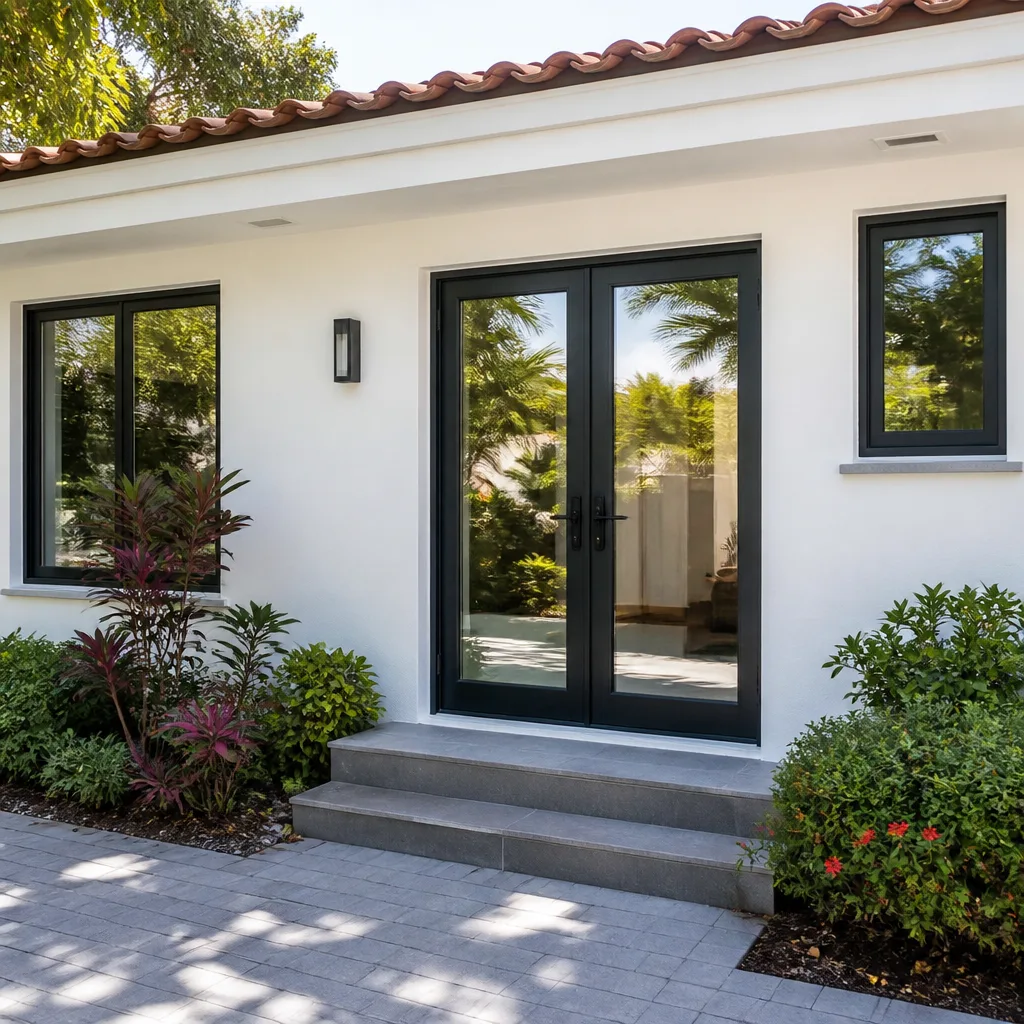 After
After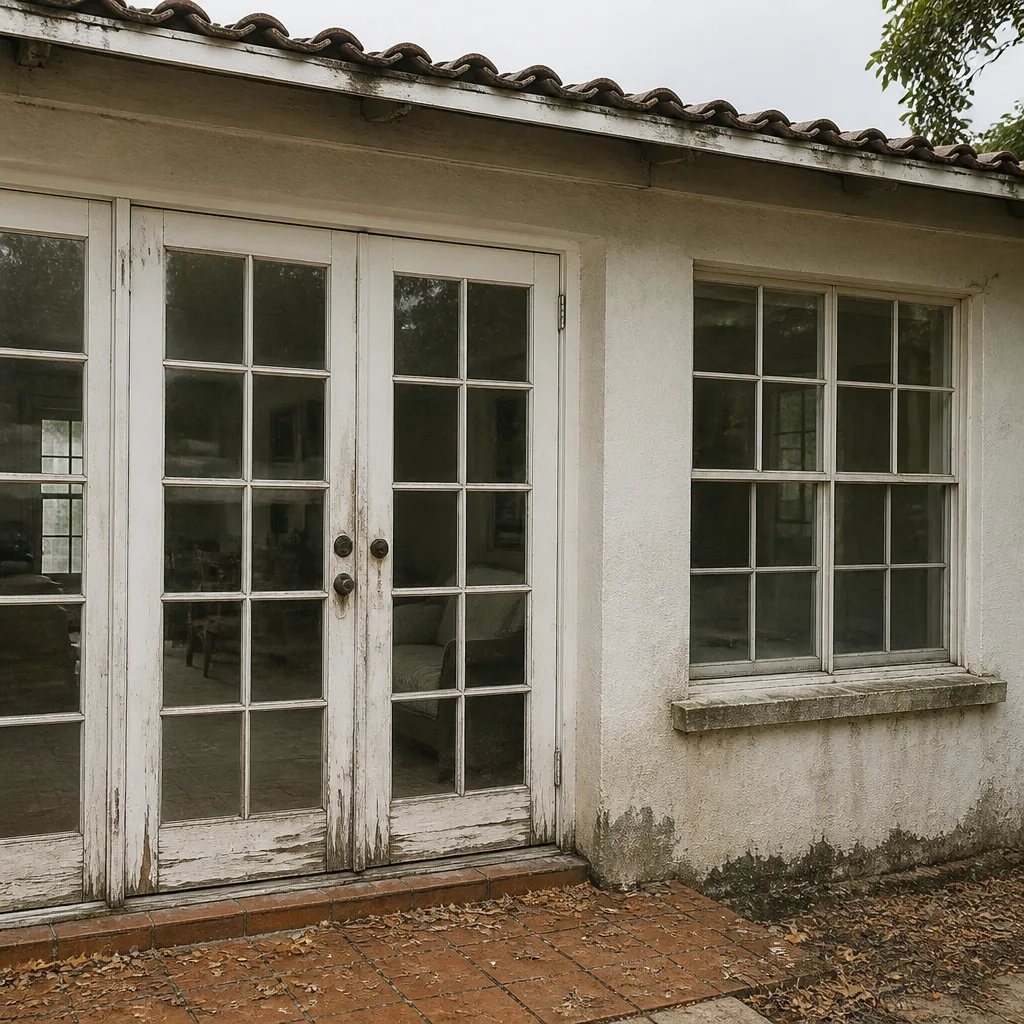 Before
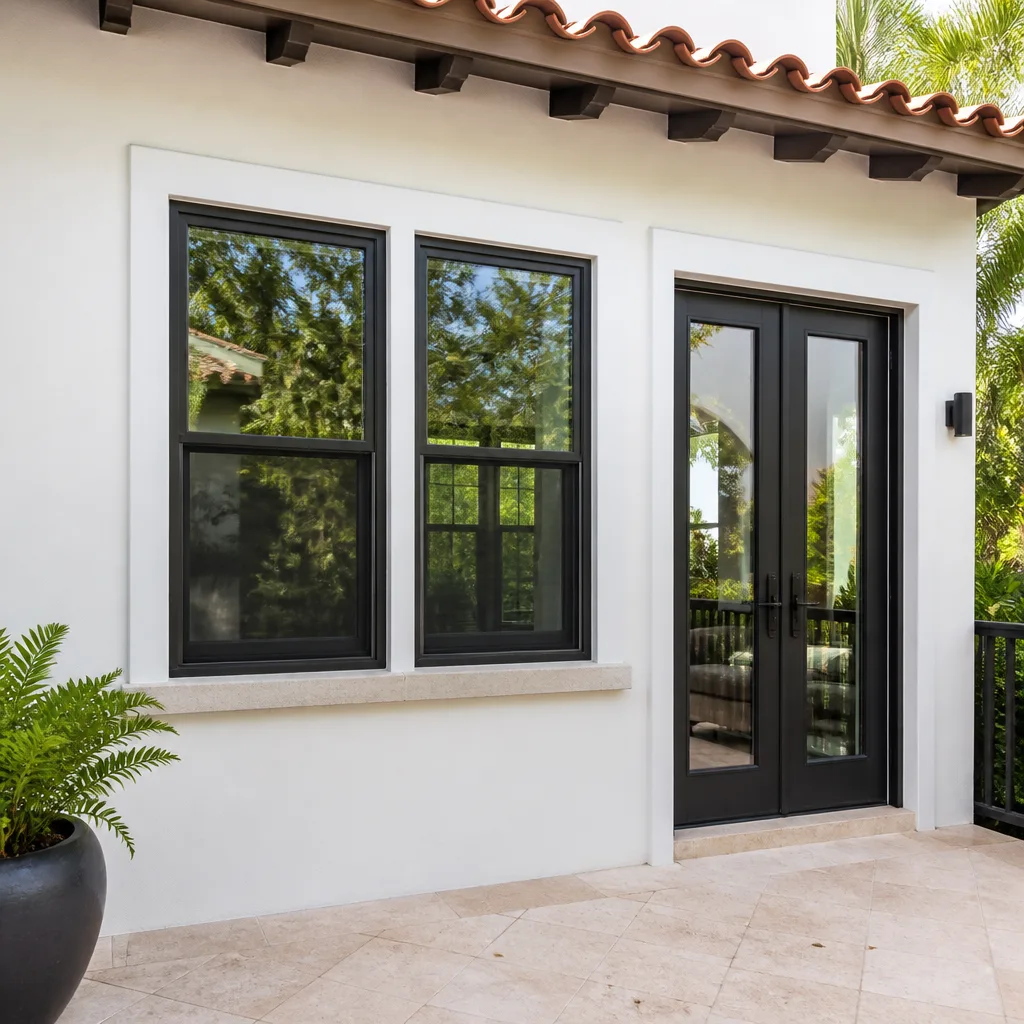 After
After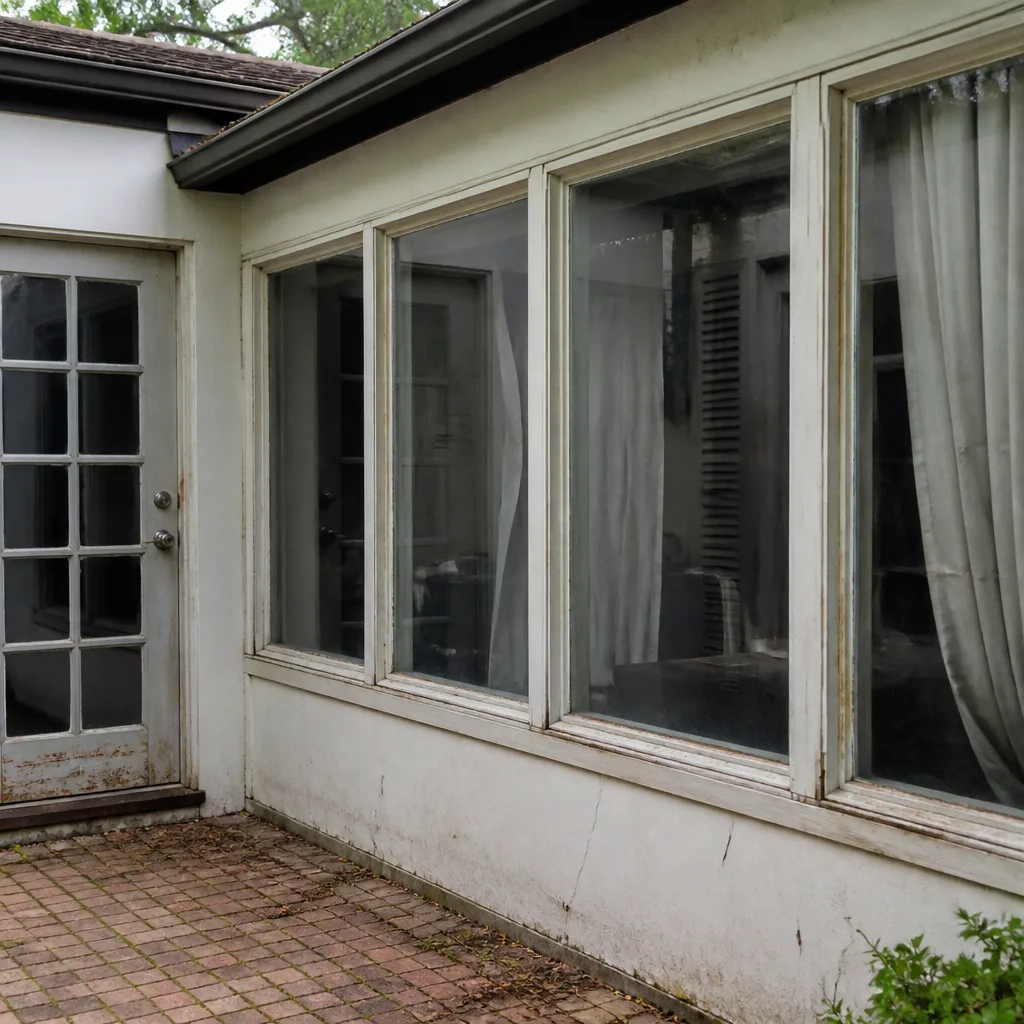 Before
 After
AfterDIY vs Professional Windows & Doors: The Coral Gables Homeowner’s Decision Guide
Here’s a number most Coral Gables homeowners never hear until it’s too late: Florida law allows you to install your own impact windows under something called the owner-builder exemption, but the moment you sell that house, you must disclose the work on a specific state form. Buyers’ inspectors know exactly what to look for, and their insurers flag it every time. That disclosure alone has killed closings in Coral Gables more times than any of us care to count. This guide walks through the legal, financial, and practical reality of doing your own windows and doors in Coral Gables, so you can make the decision with your eyes open.
Quick Answer
Professional installation is the right call for Coral Gables homeowners in nearly every scenario involving impact windows, exterior doors, or anything requiring a permit. The deciding factor isn’t your skill with a drill. It’s Florida’s owner-builder disclosure law, Miami-Dade’s legally binding NOA installation requirements, and the insurance credits you can lose retroactively if a wind mitigation inspection finds the work wasn’t done to code. DIY makes sense only for narrow, non-structural tasks like weatherstripping, hardware lubrication, trim painting, and screen repair.
Table of Contents
- What Florida’s Owner-Builder Exemption Actually Allows
- Why Miami-Dade NOA Requirements Change Everything
- The Insurance Consequence You Won’t Hear About
- Coral Gables Permitting: What a DIY Install Actually Requires
- What Coral Gables Homeowners Can Safely DIY
- The Honest Cost Comparison: DIY vs Licensed Contractor
- Common Mistakes to Avoid
- When to Call a Professional
- Frequently Asked Questions
- The Bottom Line
What Florida’s Owner-Builder Exemption Actually Allows
Florida Statute 489.103(7) lets a homeowner act as their own contractor on their primary residence without holding a state contractor’s license. On paper, that includes window and door installation. But the law isn’t a free pass. It’s a legal status that carries specific obligations, and most homeowners don’t learn what those obligations are until they’re sitting at a closing table.
Here’s the part that matters for Coral Gables specifically. The owner-builder exemption requires you to personally supervise the work, and if you hire helpers, you’re legally responsible for their conduct, their licensing status, and their worker’s compensation coverage. If a helper falls off a ladder on your property, that’s on you personally. Not a company’s insurance policy. Your homeowner’s policy may not cover it either, because most policies exclude injury to workers hired directly by the owner.
The disclosure obligation is where this gets expensive. Florida law requires anyone who sells a home within 12 months of completing owner-builder work to disclose that work to the buyer in writing. That disclosure form tells the buyer, in plain language, that the work was done by an unlicensed person acting as owner-builder. Buyers in Coral Gables, where homes regularly sell for seven figures, tend to walk away from that disclosure or demand a price reduction. Their insurance agents also read it, and they know what it means for the wind mitigation credits on the policy.
We’ve had homeowners come to us after a sale fell through because of this exact disclosure. One family in the Riviera section had installed two impact windows themselves a decade earlier. The work was probably fine. But the buyer’s inspector flagged the owner-builder disclosure, the lender wanted a structural engineer’s report, and the whole deal collapsed over two windows that might have cost $1,800 to install properly in the first place. That’s the real cost calculus in Coral Gables.
Why Miami-Dade NOA Requirements Change Everything
Miami-Dade County has the strictest building code in the country for wind-borne debris protection, and Coral Gables sits squarely inside the High Velocity Hurricane Zone. Every impact window and door product must carry a Miami-Dade Notice of Acceptance, or NOA. The NOA isn’t a marketing label. It’s a legally binding engineering document.
Here’s what most DIY guides miss: the NOA specifies the exact anchor fasteners, the exact spacing, the exact torque settings, and the exact substrate requirements for installation. If the NOA says a specific window requires 1/4-inch by 3-inch Tapcons spaced no more than 6 inches on center through the frame into concrete block, that’s not a suggestion. It’s a code requirement. The building inspector checks against the NOA, not against general best practices.
The torque specs alone trip up most DIY installs. Overtorquing a fastener can crack the window frame or strip the anchoring. Undertorquing it means the window doesn’t perform as rated in a hurricane. Neither failure is visible from the outside. Both become apparent only when the inspector checks, or when the window fails during a storm, or when a wind mitigation inspector runs their verification years later.
There’s also the inspection hold point requirement. In Coral Gables, the building department requires specific inspections at specific stages: after the rough opening is prepared, after the windows are set but before the trim goes back on, and after final sealing. A licensed contractor knows those hold points and schedules them. A homeowner doing their first install typically doesn’t discover them until the inspector refuses to sign off on work that’s already been covered up. In our experience, that’s the most common reason DIY window jobs in Coral Gables end up needing a professional to tear out and redo the work. If you want to understand how a proper window installation in Coral Gables is sequenced, the permitting and inspection process is baked into every step.
The Insurance Consequence You Won’t Hear About
South Florida homeowners pay some of the highest windstorm premiums in the country, and the only thing keeping those premiums manageable is the wind mitigation credit. That credit is based on a form called the Uniform Mitigation Verification Inspection, and your insurer trusts it until they have a reason not to.
Here’s the problem with DIY impact installation. The wind mitigation inspector verifies that your windows and doors carry a valid product approval and that the installation matches the product approval. When a licensed contractor installs the windows, the contractor’s permit record and the inspection sign-off create a paper trail the mitigation inspector can verify. When a homeowner does the work under the owner-builder exemption, the paper trail still exists, but it’s thinner, and the mitigation inspector has more reason to scrutinize it.
The retroactive denial is the part that really stings. You could install your own impact windows, pass the city inspection, get your insurance credit, and think you’re done. Then your insurer does a random audit or you switch carriers, and the new carrier’s inspector finds that the anchoring doesn’t match the NOA. The credit gets pulled. Your premium jumps retroactively. And because you did the work yourself, there’s no contractor to call back to fix it at no charge. You’re paying out of pocket to have a professional correct your own install.
We’ve seen this happen with Citizens policyholders in particular. Citizens has tightened its re-inspection process in recent years, and owner-builder window installations are getting flagged more often. The homeowner who saved $3,000 on labor ends up paying $4,000 to have the work redone, plus the increased premium, plus the stress of wondering whether the windows would have held in a storm. For a deeper look at how impact windows and insurance interact, our guide to impact windows in Coral Gables covers the product approval process in detail.
Coral Gables Permitting: What a DIY Install Actually Requires
Let’s talk about what a permit application in Coral Gables actually looks like for a window or door replacement. This isn’t a quick trip to city hall. The City of Coral Gables Building Department requires a permit for any window or exterior door replacement that involves structural changes, and in a High Velocity Hurricane Zone, that means essentially every exterior opening in the house.
Here’s a realistic step-by-step for the DIY route:
- Submit a permit application with the property’s folio number, a site plan, and product specifications for every window or door being replaced.
- Provide the Miami-Dade NOA for each product, including the specific installation instructions that will be followed.
- Pay the permit fee, which in Coral Gables typically runs several hundred dollars depending on the scope of work.
- Schedule and pass the rough opening inspection before any window goes in.
- Install the windows according to the NOA, exactly.
- Schedule and pass the final inspection, which checks anchoring, sealing, and flashing.
- Keep the permit record and inspection sign-offs forever, because you’ll need them for insurance and resale.
Nobody at the Building Department is going to walk you through this. The permit clerk will tell you what forms to fill out, but the NOA compliance, the inspection sequencing, and the technical questions are on you. A licensed contractor handles all of this as a matter of routine. For a homeowner doing it once, the learning curve is steep and the cost of getting it wrong is a failed inspection, which means another fee and another wait.
There’s also the matter of the finished opening. Coral Gables has a lot of older homes with non-standard rough openings, particularly in the neighborhoods around the Biltmore and the Granada Golf Course. Getting an off-the-shelf window into a 1950s masonry opening often requires carpentry work, shimming, and custom flashing that simply isn’t covered in a YouTube tutorial. The window replacement process in Coral Gables is rarely as simple as swapping like for like.
What Coral Gables Homeowners Can Safely DIY
None of this means you should never touch your windows and doors. There’s a meaningful list of maintenance tasks that are genuinely appropriate for a careful homeowner, and doing them yourself will extend the life of your windows and doors between professional services-see our Impact Windows Maintenance Checklist for Coral Gables Homeowners for a good starting point. The boundary is simple: anything that involves removing the frame, opening the wall, or affecting the structural anchoring is professional territory. Everything else is fair game.
Here’s what you can and should do yourself:
- Weatherstripping replacement: The foam or vinyl strips around your door frames degrade in the Coral Gables heat and humidity. Replacing them is a 20-minute job with a utility knife and adhesive-backed weatherstripping from any hardware store.
- Hardware lubrication: Hinges, rollers, and locking mechanisms collect salt air and grit along the coast. A silicone-based lubricant applied twice a year keeps everything operating smoothly and quietly.
- Interior trim repainting: The woodwork around your windows takes a beating from the sun streaming in. Scrape, sand, prime, and paint. The window frame itself stays untouched.
- Screen repair: Ripped screens are annoying and common in Coral Gables, where the bugs are relentless. Re-screening a frame with a spline roller is genuinely simple and satisfying.
- Caulk touch-ups: The bead of caulk around your window trim, on the interior side, can crack over time. Removing old caulk and running a fresh bead keeps drafts and moisture out between professional services.
The line you don’t cross is anything that involves the window frame itself, the exterior flashing, the anchoring system, or the door slab hanging. Once you’ve removed a screw that holds the window in the wall, you’ve crossed from maintenance into installation, and the legal and technical consequences described above apply. We also recommend against any work requiring a ladder above the first story, which covers most Coral Gables two-story homes. The fall risk isn’t worth the savings.
The Honest Cost Comparison: DIY vs Licensed Contractor
Every DIY cost analysis starts with the tempting number: labor. A licensed contractor in Coral Gables charges labor on top of materials, and that labor line is what makes the DIY route look like a bargain. But the honest comparison includes everything you’ll actually spend, and it looks very different.
Here’s a realistic breakdown for a single standard impact window installation in Coral Gables:
| Cost Item | Professional Install | DIY Install |
|---|---|---|
| Impact window unit (PGT or similar) | $600-$900 | $600-$900 |
| Labor | $250-$450 | $0 (your time) |
| Permit fee | Included in contractor scope | $200-$400 |
| Tool rental or purchase (hammer drill, torque wrench, levels, shims) | $0 | $150-$300 |
| Disposal of old window | Included | $50-$100 |
| Re-inspection if first inspection fails | $0 (contractor fixes and reschedules) | $100-$200 per re-inspection |
| Risk premium (retroactive insurance denial, seller disclosure impact) | $0 | Potentially thousands |
| Realistic total | $850-$1,350 | $1,100-$1,900 plus risk |
The DIY savings, when you account for everything, is marginal or negative on a single window. On a whole-house job of ten or more windows, the licensed contractor’s efficiency kicks in because the permit covers the entire scope, the crew works in sequence, and the tooling and disposal costs are amortized. The homeowner doing ten windows is spending two or three weekends on ladders, spending $400 on a permit, and risking multiple failed inspections.
And then there’s the value of your own time. A Coral Gables homeowner who can spend a Saturday replacing weatherstripping instead of wrestling an impact window into a masonry opening gets better results from both activities, especially with seasonal windows & doors care as part of the routine. The weatherstripping gets done right, and the window gets done by someone who does it every week.
Common Mistakes to Avoid
- Assuming the owner-builder exemption means no permit. The exemption waives the license requirement, not the permit requirement. Coral Gables still requires permits for exterior window and door work, and unpermitted work is a separate, serious problem at resale.
- Buying windows without checking the Miami-Dade NOA. A window that’s rated for impact in Broward or Palm Beach may not carry the Miami-Dade NOA required in Coral Gables. Buying the wrong product means returning it or installing something that won’t pass inspection.
- Ignoring the torque specs. Anchoring impact windows is not like hanging a picture. The NOA specifies exact torque values, and guesswork fails inspections. A $30 torque wrench is cheaper than a failed inspection, but knowing how to use it correctly is the part most DIYers miss.
- Covering the rough opening before the inspector sees it. The inspection sequence exists for a reason. If you close up the wall before the rough opening inspection, you’ll be paying to tear it open again.
- Forgetting the disclosure obligation at resale. Even if your DIY work passed inspection and performed perfectly, the legal requirement to disclose owner-builder work lasts 12 months from completion. Failing to disclose is fraud. Disclosing often kills the deal.
- Underestimating the weight of impact glass. A single impact window sash can weigh 50 pounds or more. A full sliding glass door panel can exceed 100 pounds. The physical risk of handling these panels on a ladder is a real safety consideration that DIY guides rarely address.
- Treating the insurance credit as permanent. The wind mitigation credit is not a one-time award. It’s a verification that can be re-checked, and DIY installations are the most common trigger for re-inspection and retroactive denial.
When to Call a Professional
Call a professional for any window or exterior door replacement in Coral Gables that involves removing the existing frame or altering the rough opening-our step-by-step guide on how to hire a windows & doors contractor in Coral Gables can help you choose wisely. That’s essentially every replacement that isn’t a simple sash swap, and sash swaps on impact windows are rare because the sash and frame are engineered as a unit. Call a professional if the work requires a permit, which covers virtually all exterior openings. Call a professional if you’re counting on the wind mitigation credit to keep your insurance premium manageable. Call a professional if you’re planning to sell your home within the next five years, because the owner-builder disclosure will surface at closing. Winslow Windows & Doors offers free estimates in Coral Gables. Call (904) 478-8983 and we’ll walk you through the scope, the permit, and the exact cost before you commit to anything.
Frequently Asked Questions
Yes, Florida’s owner-builder exemption allows a homeowner to install impact windows on their primary residence without a contractor’s license, but the work still requires a permit from the City of Coral Gables and must meet Miami-Dade NOA installation requirements. The exemption also triggers a mandatory seller disclosure if the home is sold within 12 months of the work. Call (904) 478-8983 if you want to weigh the true cost of the DIY route before you start.
Professional impact window installation in Coral Gables typically runs $850 to $1,350 per window for standard-sized openings, including the unit, labor, permitting, and disposal. Larger openings, second-story work, and custom geometries increase the cost. That’s competitive with the realistic total cost of a DIY job once permits, tools, and re-inspection risk are factored in. For an exact quote on your home, call (904) 478-8983 for a free estimate.
Yes. A wind mitigation inspector can retroactively deny your insurance credit if the installation doesn’t match the Miami-Dade NOA, and owner-builder installations are flagged for re-inspection more often than contractor installations. The credit loss can add hundreds or thousands of dollars to your annual premium. Licensed installation creates the paper trail insurers and inspectors trust.
Weatherstripping replacement, hardware lubrication, interior trim repainting, screen repair, and interior caulk touch-ups are all safe DIY tasks that don’t affect the structural integrity or legal status of your windows and doors. Anything involving the frame, the anchoring, the flashing, or the rough opening crosses into professional territory. If you’re not sure where the line is, call (904) 478-8983 and we’ll tell you straight.
Yes. Exterior door replacements in Coral Gables require a permit because they affect the building envelope and must meet High Velocity Hurricane Zone requirements. The permit process includes product approval verification and inspection. A licensed contractor handles the permit as part of the job; a DIYer takes it on personally.
The seller disclosure obligation is the biggest hidden cost. Florida law requires owner-builder work to be disclosed at resale within 12 months of completion, and that disclosure routinely causes buyers to demand price reductions or walk away entirely. The second-biggest hidden cost is retroactive insurance credit denial following a wind mitigation re-inspection. Call (904) 478-8983 if you want to talk through your specific situation.
The Bottom Line
The DIY-versus-professional decision for windows and doors in Coral Gables isn’t about whether you can swing a hammer. It’s about the legal exposure of Florida’s owner-builder exemption, the engineering strictness of Miami-Dade NOA requirements, the insurance credits that depend on verified installation, and the resale disclosure that can quietly kill a deal. For maintenance tasks like weatherstripping and screen repair, DIY is smart and satisfying, and you can find more guides & resources on our blog to help. For anything structural, the licensed route costs about the same once you account for permits, tools, and risk, and it protects the value of your home. Ed’s name is on the door, and on every job we do. Call (904) 478-8983 for a free estimate, and we’ll give you a straight answer on your windows, your doors, and your best path forward. The one down the road.
Written by Ed Winslow, Owner at Winslow Windows & Doors, serving Coral Gables since 2011.
Six Reasons Homeowners Choose Winslow Windows & Doors
Impact systems engineered to design pressures up to +/-100, matched to your wind zone - your openings hold when the storm arrives.
Low-E insulated impact glass from our manufacturer lines commonly cuts monthly cooling bills 20-30%.
Laminated impact glass shuts out up to 40% of outside noise - traffic, neighbors, weather.
Monitoring services run $30-90 a month. Laminated impact glass resists forced entry around the clock, with no subscription.
Florida homeowners average around 25% savings on the windstorm portion of their policy after protecting every opening - some homes qualify for more.
A full impact package upgrades curb appeal, buyer confidence and appraised value in one project.