
Last updated August 27, 2026
Free in-home measure and quote - PGT, CGI and CWS impact lines compared on your actual openings, style by style
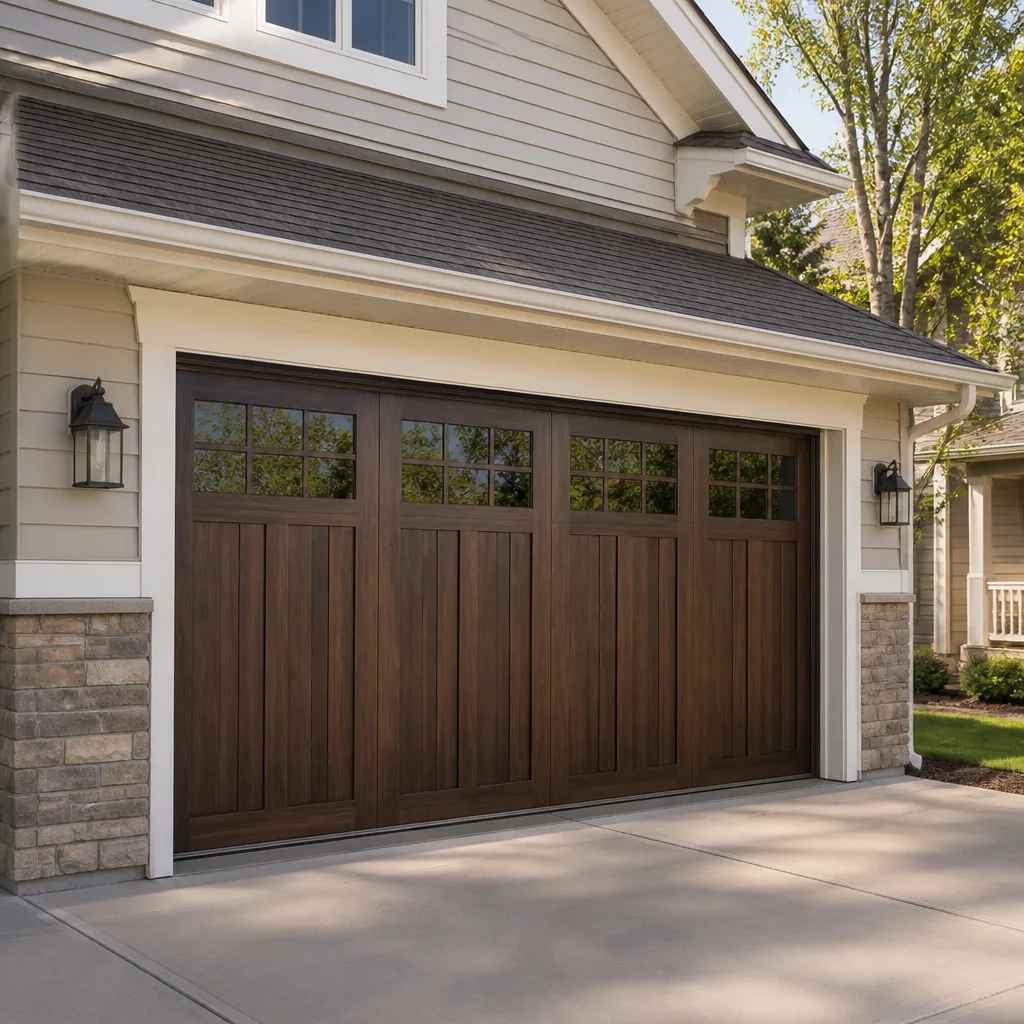
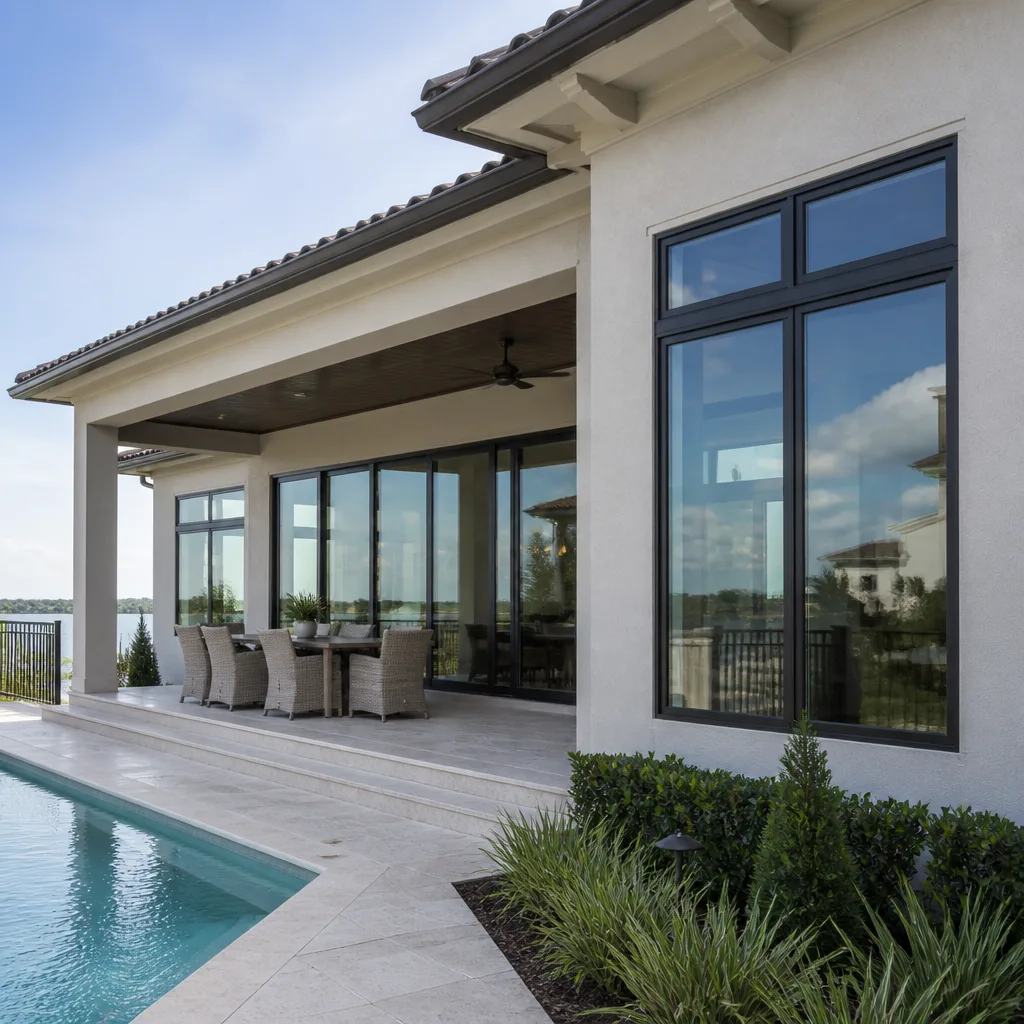

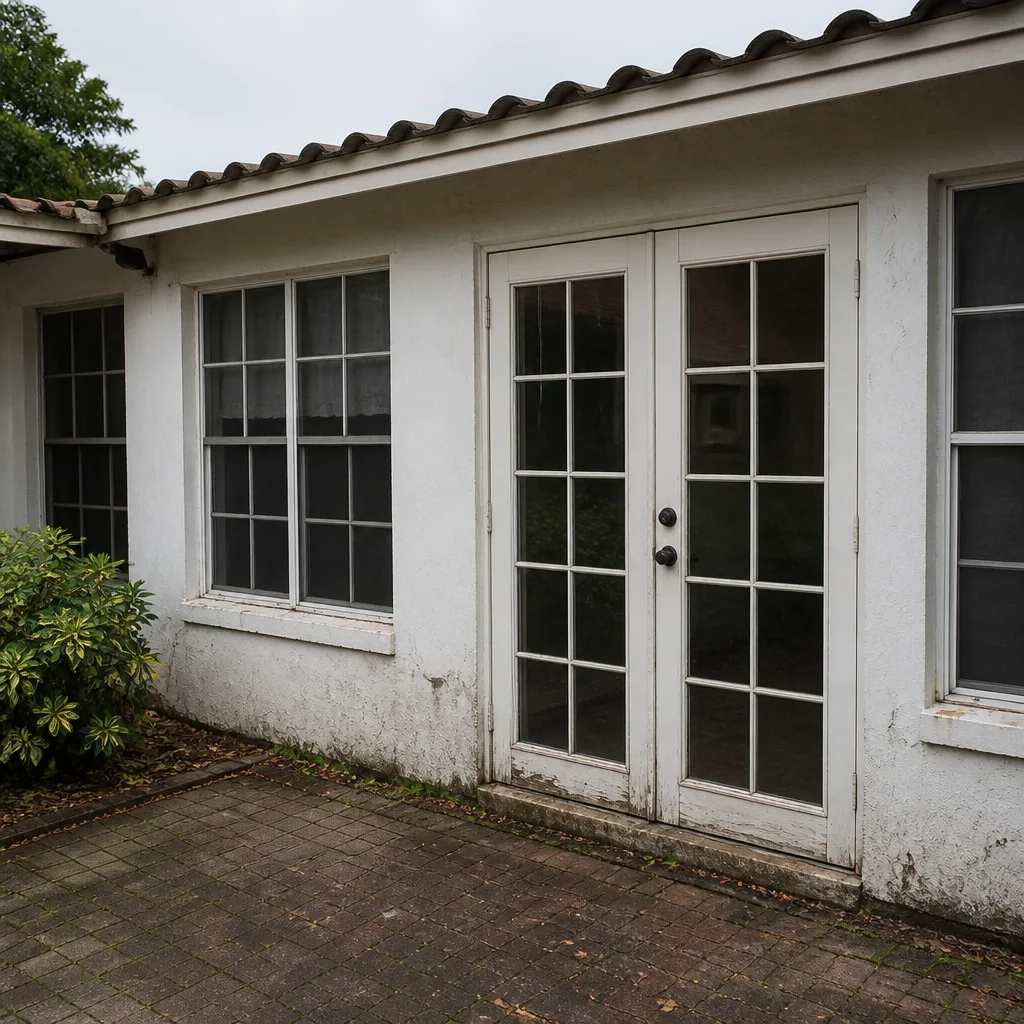 Before
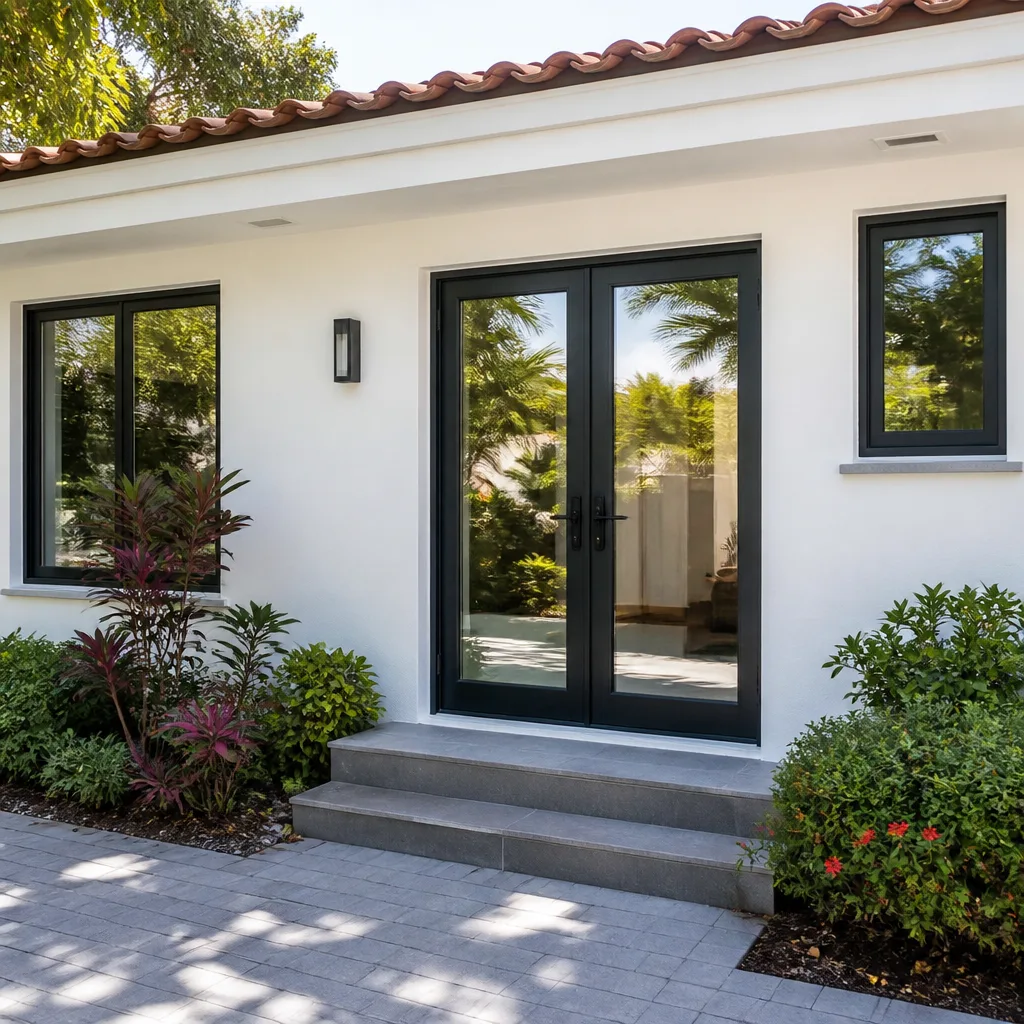 After
After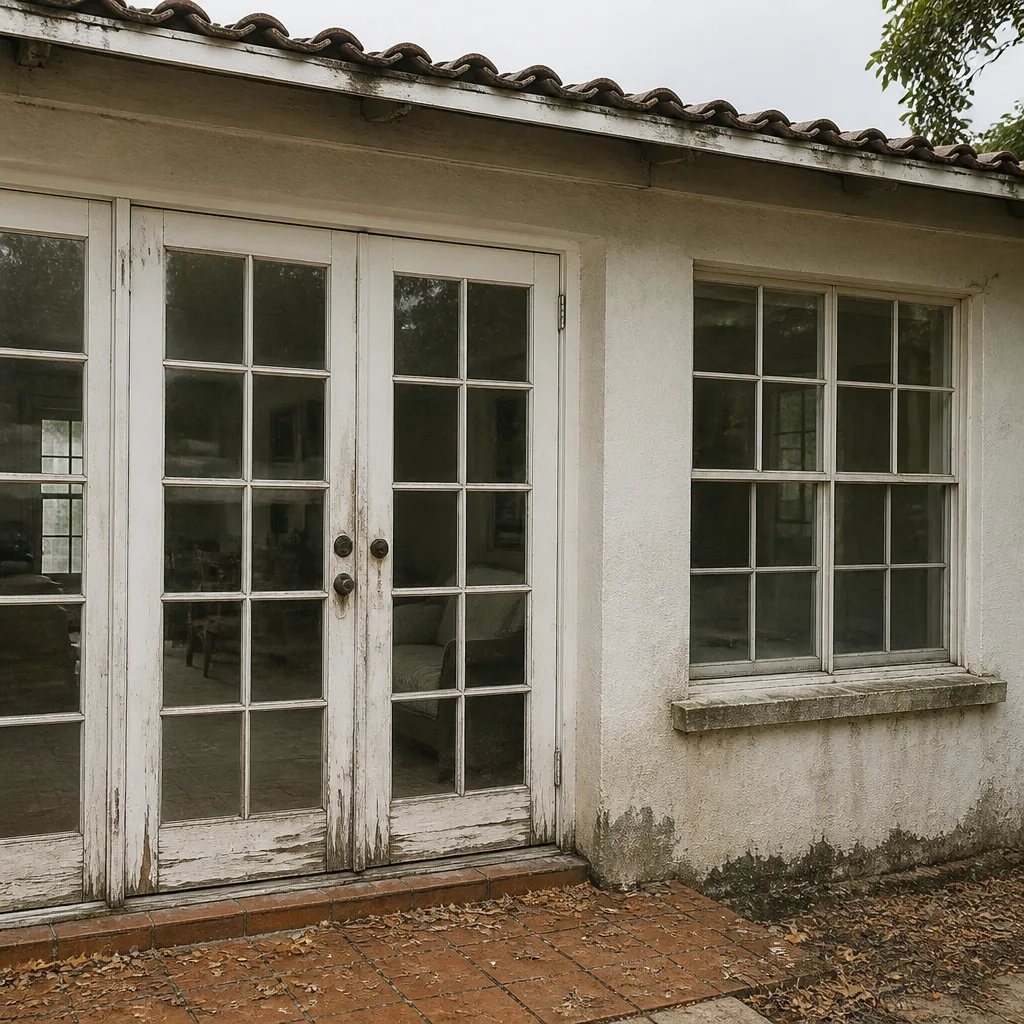 Before
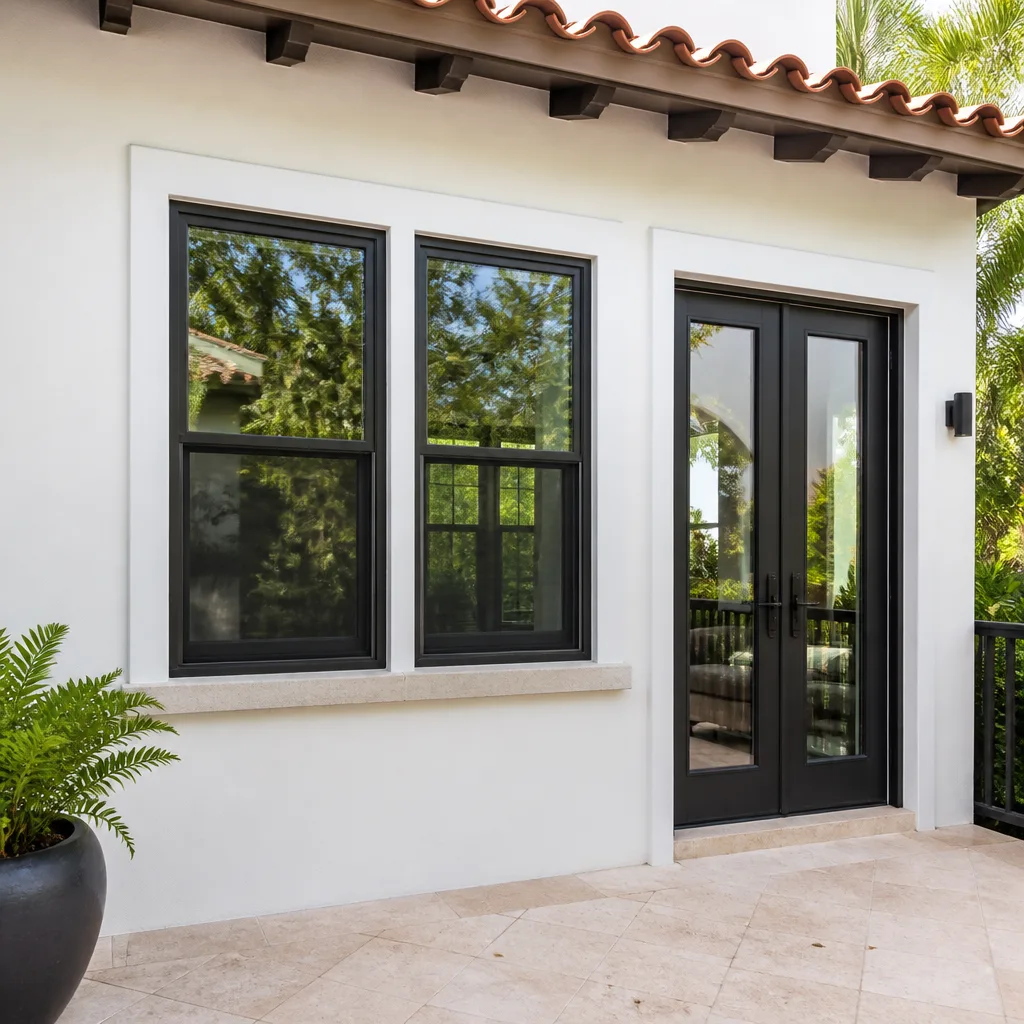 After
After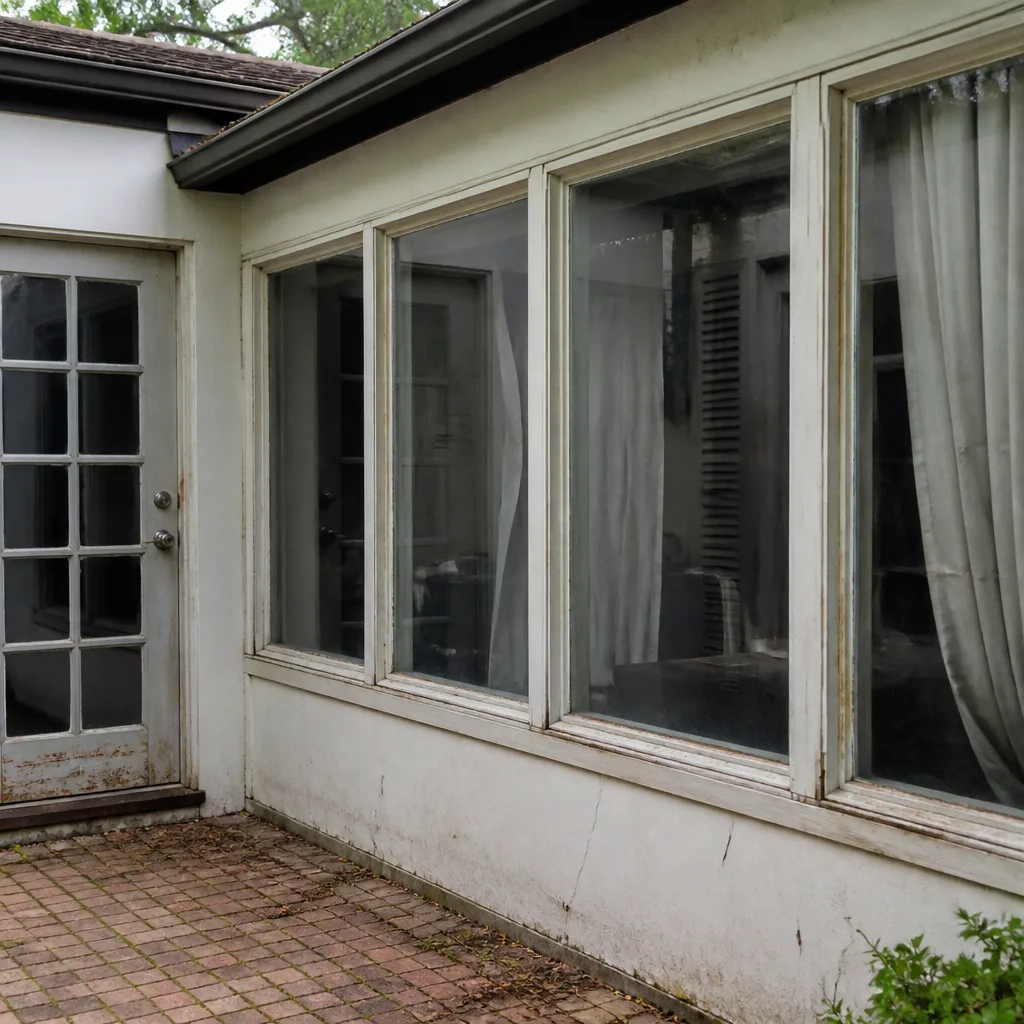 Before
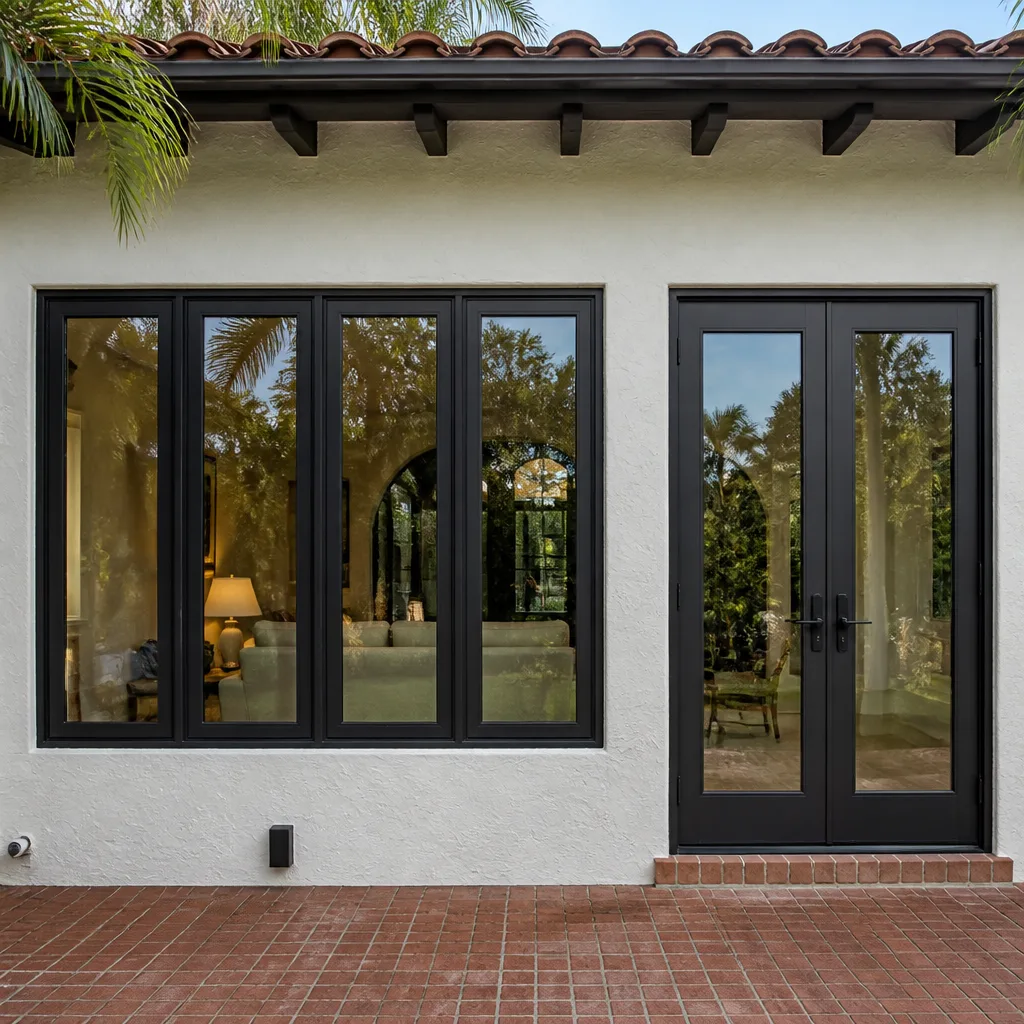 After
AfterWindows & Doors Warning Signs: A Coral Gables Homeowner’s Reference Guide
Most Coral Gables homeowners only notice a window or door problem after it has already cost them real money. A water stain on the ceiling, a lock that suddenly won’t turn, a utility bill that crept up 30% over two summers. By the time these symptoms appear, the underlying issue has usually been developing for months. What separates homeowners who spend $400 on an early fix from those who spend $4,000 on a structural repair is not luck. It is learning to read the subtle signals your windows and doors send long before they fail outright. This guide, along with our The Complete Guide to Windows & Doors in Coral Gables, teaches you to read them the way an experienced installer does. And in Coral Gables, where salt air, intense UV exposure, and afternoon thunderstorms combine to punish building envelopes harder than almost anywhere in South Florida, catching these signals early matters more than it does in most of the country.
Quick Answer
The warning signs that matter most in Coral Gables are not shattered glass or jammed doors. They are the early indicators: white chalky residue at frame corners, bronze hardware developing tiny pits rather than even surface tarnish, a multi-point lock that requires slightly more force than it did six months ago, and a musty smell that follows one specific window but not the rest of the house. If you notice any of these, the water or structural issue has already begun. What you do in the next thirty days determines whether you are fixing a gasket or replacing a wall section.
Table of Contents
- Coastal Warning Signs Generic Guides Miss
- Settling vs. Racking: Why the Difference Matters for Insurance
- Interior Signs You’re Blaming on the Air Conditioner
- The Twice-a-Year Operational Tests
- Watch-and-Monitor vs. Call-This-Week
- Impact Window Warning Signs Specific to South Florida
- Door Warning Signs: Locks, Thresholds, and Hinges
- What Ignoring These Signs Costs in Coral Gables
Coastal Warning Signs Generic Guides Miss
Most window and door warning-sign guides are written for houses in Ohio. They talk about frost, condensation between panes in winter, and frozen locks. None of that applies to Coral Gables. What we see in this market, after thousands of window and door inspections across Coral Gables, Old Cutler, the Gables Estates, and neighborhoods from the Biltmore area down to Snapper Creek, is a different set of signals entirely. Three of them never appear in generic guides, and all three are visible to a homeowner who knows what they are looking at.
White chalky residue at frame corners. This is not dirt. It is mineral efflorescence, the signature of capillary water wicking. When water finds a microscopic opening at a corner joint or miter seam, it moves through the frame material by capillary action, not gravity. As it evaporates, it leaves behind dissolved salts and minerals. The chalky deposit is the residue. In Coral Gables, where summer humidity hovers above 80 percent and afternoon storms drive rain horizontally, we see efflorescence at frame corners on windows that are only three to five years old. The water has been entering for months before the chalk appears. By the time you can see it, the frame material behind the corner is already saturated, and the next thunderstorm is doing more damage.
Bronze hardware pitting versus surface oxidation. Salt air affects metal hardware in two very different ways. Surface oxidation is a thin, even tarnish. It looks like the hardware has been lightly dusted with a darker finish. That is cosmetic. Pitting is different: tiny, irregular holes, like someone pressed the tip of a ballpoint pen into the metal in a dozen places. Pitting means the salt is eating into the metal itself, not just coating the surface. Once pitting starts, the hardware loses structural strength. A pitted hinge pin can shear. A pitted lock cylinder can fail when you need it most. In Coral Gables, we see pitting on ocean-facing hardware within eighteen months of installation if the hardware was not specified for the coastal environment. When we install impact windows in Coral Gables, we specify marine-grade hardware for exactly this reason. Not all installers do.
Glass delamination hazing in laminated panels. Impact-rated glass is a sandwich: two or more glass panes bonded to a polyvinyl butyral or ionoplast interlayer. When the edge seal is compromised, moisture gets between the layers. It starts as a faint haziness near the edge, often mistaken for a smudge on the outside. Over time, it spreads inward and the laminate begins to separate. The glass still looks flat, but its impact resistance is compromised. A delaminating panel that once stopped a windborne 2×4 at 34 mph may now fail at a fraction of that force. We have seen delamination in Coral Gables on windows less than ten years old, almost always on panels that were not properly edge-sealed during installation. If you see a cloudy border forming around the inside perimeter of an impact window, that is not a cleaning problem. It is an installation problem.
Settling vs. Racking: Why the Difference Matters for Insurance
Every house settles. In South Florida, where most Coral Gables homes sit on limestone or compacted fill, settlement is usually minor and uniform. The whole structure moves a little, and everything stays square. Racking is different. Racking is when window and door frames twist out of square because the structure has shifted unevenly. The difference matters, because insurance companies know it. If a window fails because the house settled normally, that may be a maintenance issue. If a window fails because the frame racked due to water intrusion or structural movement, the insurance claim conversation changes.
How do you tell the difference at home? The easiest test is the visual diagonal check. Stand back from a window or door and look at the frame corners. A settled house produces frames that are uniformly level. A racked frame shows one corner slightly off-plane: a diagonal line from one corner to the other will not be straight. The simplest way to spot it is to open the window or door and watch how it moves. Settlement produces a door that sags slightly at the latch. Racking produces a door that the latch binds at the top of one side and gapes at the bottom. Racked windows develop stress fractures at the miter joints. Racked doors start consuming weatherstrip unevenly.
Now the part generic guides miss: racking in Coral Gables homes is usually water-driven, not foundation-driven. Our houses do not freeze-and-thaw like Minnesota houses. We do not have the expansive clay soils of Texas. What we have is tropical rain and humidity, and when water finds its way into a wall cavity, the framing swells, the sheathing softens, and the structure around a window or door opening loses its rigidity. The frame racks because the wood behind it is failing, not because the foundation moved. This is why a racked frame is a “call this week” situation, not a “watch and see” situation. Water is already inside the wall, and every week it stays there, the repair cost climbs.
For insurance purposes, document the racking. Take photos from multiple angles. Note when you first noticed it. If you have a moisture meter reading or an installer’s report, keep it. A homeowner who can show a documented progression of frame movement has a much stronger position than one who calls after the window falls out. This is also one of the reasons we recommend a window installation in Coral Gables with a company that understands local water intrusion patterns, not a crew that learned framing in another climate.
Interior Signs You’re Blaming on the Air Conditioner
Three interior warning signs show up constantly in Coral Gables homes, and homeowners almost never connect them to windows or doors. They blame the HVAC, the humidity, or the age of the house. In our experience, when someone calls about a musty smell and the AC check comes back clean, the problem is almost always a window or door opening.
Musty smell near a specific window but not elsewhere. A whole-house musty smell in Coral Gables might be ductwork or a clogged condensate line. A musty smell that lives near one window, one sliding door, or one corner of a room is different. It means organic material is staying damp somewhere in that opening. Usually it is the wooden rough opening behind the frame, the sheetrock adjacent to the jamb, or the track area of a sliding glass door. The smell is strongest on humid days, after rain, and in the evening when the AC cycles less. If you can walk around the house and identify the smell as stronger in one spot, you have found water intrusion. Do not mask it with a dehumidifier and move on.
Paint bubbling on drywall adjacent to a window or door frame. In Coral Gables, paint bubbles for three reasons: a leak, high humidity, or a bad paint job. The difference is location. Bubbling paint on a wall that has no window or door nearby is probably a moisture problem elsewhere. Bubbling paint that follows the edge of a window frame or the line of a door jamb is water working its way through the opening. The paint is the last thing to fail, not the first. By the time it bubbles, the drywall and the framing behind it have been wet for weeks. Peel back a small section. If the drywall underneath is soft, dark, or crumbling, the water has been there long enough to cause structural softening.
Floor warping at a sliding door threshold. Sliding glass doors are the single most common water intrusion point we see in Coral Gables homes. The track sits at floor level, drains get clogged with sand and debris, and the wind-driven rain of afternoon thunderstorms pushes water against the threshold for hours during the wet season. When water gets under the threshold, it soaks the subfloor. Tile does not warp, but it can debond. Laminate and engineered wood will swell and cup. Hardwood will bow. If the floor near your sliding door no longer sits flat, or if you can feel a soft spot when you step there, the subfloor is saturated. This is not an HVAC issue. It is a door opening that is not shedding water, and in Coral Gables, that means water is now inside your floor system.
All three of these signs are the downstream result of openings that are not sealed, flashed, or caulked correctly. They are also the signals we look for when evaluating an older Coral Gables home for window replacement. The interior evidence tells us where the water has been going, which tells us what needs to come out.
The Twice-a-Year Operational Tests
Every Coral Gables homeowner should run three simple tests, twice a year. Do them in May, before the wet season gets rolling, and again in November, after hurricane season ends and you can see what six months of tropical weather did to the house. None of these tests requires tools or special skill. They require about fifteen minutes and a willingness to pay attention.
Test One: The Dollar-Bill Weatherstrip Test. Take a dollar bill and close a window or door on it. Pinch the bill and pull. It should offer firm, consistent resistance. There should be no spot where the bill slides out easily. Run the bill around the entire perimeter of the opening, checking every few inches. A door or window that holds the bill firmly at the top but lets it slide out at the bottom has a weatherstrip or alignment issue. In Coral Gables, where summer heat loads are extreme, a weatherstrip that has compressed just a quarter inch around a single opening meaningfully raises the cooling load for that room. One bad weatherstrip on a sliding door adds more to your electric bill than most homeowners realize.
- Close the window or door completely and lock it.
- Insert a dollar bill between the panel and the frame, anywhere on the perimeter.
- Try to pull the bill out. It should resist firmly, not slip free.
- Repeat at intervals of roughly six inches around the entire opening.
- If the bill pulls out with little resistance in any spot, mark that spot. That is an air leak.
Test Two: The Lock Engagement Force Test. This test catches the racking problem described above, months before it becomes visible. Operate every lock in the house: the multi-point locks on doors, the tilt latches on windows, the pawl locks on sliding glass doors. Pay attention not to whether the lock works, but to how much force it takes. A lock that used to engage smoothly and now requires a firm shove, a wiggle, or a two-handed pull is telling you the frame or panel has moved. Hardware does not get randomly stiffer. The opening shifted. On multi-point doors, the most common early sign is the handle binding on the last ten degrees of rotation. The lock still locks, but the smooth feel is gone. That is the frame telling you water or settlement has changed its geometry.
- Open and close every window and door in the house once, listening for changes.
- Engage every lock, paying attention to the force required.
- Note any lock that binds, scrapes, or requires a wiggle.
- Test multi-point door handles on both the up-swing and down-swing.
- Compare windows on the same wall. One should not feel noticeably stiffer than its neighbor.
Test Three: The Sash Drop Test for Impact Windows. Impact windows in Coral Gables are heavy. A single panel of laminated impact glass can weigh ninety pounds or more. That weight matters for the balance system. To test it, open the sash about a third of the way and let go. The sash should stay exactly where it is. Then push it to two-thirds open and let go. It should stay there, too. A sash that drops half an inch, slides downward, or falls open or shut has a failing balance. This is more than an annoyance. A sash with a failed balance puts uneven stress on the frame, accelerates weatherstrip wear, and, when it slams, can crack the glass or damage the frame corner. We see failed window balances on impact windows in Coral Gables surprisingly often, because the constant heat breaks down the spring mechanism inside the balance channel. Test every operable window. It takes thirty seconds per window.
- Open the sash to one-third of its travel. Let go.
- Watch for thirty seconds. It should not move.
- Open the sash to two-thirds. Let go. Watch again.
- Close the sash gently. If it drops, you have a failing balance.
- Repeat for every operable window in the house, including second-floor units.
Watch-and-Monitor vs. Call-This-Week: A Decision Framework
Not every warning sign demands immediate action. Some are genuinely worth watching, and spending money on a service call for every faint concern is wasteful. But Coral Gables homeowners need a clear decision framework-something our DIY vs Professional Windows & Doors: The Coral Gables Homeowner’s Decision Guide explores in depth-so the “watch” category does not quietly become the “emergency” category. Here is how we think about it.
Watch and monitor. These signs are real but not urgent, provided you check them on a schedule:
- A window that requires slightly more force than it did, but the frame is square and there are no other symptoms. Note it. Retest in thirty days.
- Faint surface oxidation on hardware, with no pitting. Clean it and protect it. Retest next season.
- A weatherstrip that fails the dollar-bill test only in a small, isolated section and the frame is not racked. You have a minor seal replacement, not an emergency.
- Minor condensation on the interior of single-glazed windows during rare temperature swings. Coral Gables rarely gets cold enough for this to be a persistent problem, but it happens a few mornings a year.
- Small cracks in caulk at the exterior perimeter that are still flexible and not letting water through. Reseal before wet season.
Call a contractor this week. These signs indicate an active failure that is costing you money right now:
- Any of the three coastal signals: efflorescence at frame corners, hardware pitting, or delamination hazing in laminated glass. All three mean water has entered or salt is actively corroding.
- A lock that has become noticeably stiffer in a single season, paired with any visible frame movement or a door that rubs.
- Musty smell localized to one opening that does not resolve after a dry week.
- Paint bubbling adjacent to a frame, or drywall that is soft when pressed.
- Floor warping, soft spots, or tile debonding near a sliding door threshold.
- A sash that drops more than half an inch when released.
- Any visible daylight around the closed panel of a window or door.
The core distinction is whether the signal is stable or progressing. A stable signal can be watched. A progressing signal cannot. If the chalky deposit at the frame corner is bigger than it was last month, that is progression. If the lock was stiff last week and stiffer this week, that is progression. In Coral Gables’s climate, water-driven failures do not stabilize on their own. They accelerate. The longer the progression, the larger the repair.
Impact Window Warning Signs Specific to South Florida
Impact windows carry their own failure modes, and generic guides do not cover them because most of the country does not use impact-rated products. In Coral Gables, impact windows are the standard for new construction and major renovations, driven by building code and insurance requirements. That means the warning signs specific to impact products matter to every Coral Gables homeowner.
Edge clouding that spreads. We covered delamination hazing above, but edge clouding on impact glass is a slightly different presentation. It appears first as a narrow band of fog along the inside perimeter of the glass, often more visible at night or in the early morning. Early on, it can be mistaken for condensation. The difference: condensation dissipates during the day. Delamination haze does not. If the clouding is still there at 2 p.m., the seal has failed and the interlayer is compromised. The impact rating is no longer reliable.
Stress cracks radiating from the frame corners. Impact glass is laminated and designed to crack in a specific pattern on severe impact, but it should not develop cracks on its own. Hairline cracks starting at the frame corner and running inward on a diagonal indicate that the frame is racking. The pressure of the frame movement transfers into the glass edge, and because the glass is rigid, it cracks. A hairline stress crack in an impact window is not cosmetic. It is a structural failure developing. Once the crack reaches the center of the panel, the panel is no longer serving as a single impact-rated unit.
Drainage weep holes that seep rather than drain. Coral Gables impact windows have weep holes at the bottom of the frame track to channel water out. During a heavy storm, water should move through those weep holes and exit. If a window keeps a puddle in the track for days after rain, the weep holes are blocked. This matters more in impact windows because the track is deeper and the laminated panel is thicker, so standing water has more contact area and more time. Blocked weep holes cause the water to back up into the frame, which accelerates seal degradation and can lead to interior leaks. Clear weep holes of debris, sand, and salt residue every spring. It is a two-minute job that prevents a two-thousand-dollar frame replacement.
Interlayer discoloration. Laminated glass interlayers should remain optically clear for decades. If you notice a yellowing or amber tint developing in the center of the panel, the interlayer is degrading. This is rare in well-made panels from manufacturers like PGT, CGI, or ES Windows, but when it appears, it means the panel is reaching the end of its service life. The degradation reduces the bonding strength between glass layers. Discoloration is a replacement signal, not a monitoring signal.
Door Warning Signs: Locks, Thresholds, and Hinges
Doors fail differently than windows because they bear different loads. Windows bear their own weight. Doors bear their own weight, the weight of daily operation, and the cumulative stress of every opening and closing cycle. In Coral Gables, where exterior doors act as the first line of defense against wind-driven rain and salt air, the warning signs tend to cluster around three areas: the lock, the threshold, and the hinges.
Lock problems that are not lock problems. A multi-point locking system with three, four, or five locking points has tight tolerances. When all points engage smoothly, the frame and panel are square. When one point binds, the frame is not. Homeowners often call a locksmith when the real problem is the door frame, and the fix is structural. Pay particular attention to Therma-Tru and similar fiberglass doors. These doors are dimensionally stable, but the framing around them is not. If a fiberglass door stops latching cleanly, the rough opening has shifted. The door did not change shape. The house did.
Threshold wear patterns. The threshold is the lowest point of the door, the primary water shed. A healthy threshold channels water away and out. A failing threshold lets water under. The early sign is not a visible leak. It is a change in the drip edge. When the threshold gasket compresses or the threshold itself dips, water no longer drips off the front edge. It runs under. Look at the underside of the threshold and the flooring inside the door. If you see water stains, mineral deposits, or darkening wood, the threshold has been failing for longer than you think. In Coral Gables, we recommend checking thresholds after every major storm during hurricane season, not just during a twice-yearly test.
Hinge screws that will not stay tight. This is one of the most overlooked warning signs in any Coastal home. A hinge screw that is stripped, rusted, or works loose repeatedly is telling you something about the wood behind it. In Coral Gables, that wood is often damp. Salt air rusts the screw. Moisture softens the wood. The combination means the screw hole enlarges over time, and the hinge loses its grip. When the hinge loses its grip, the door sags. When the door sags, it contacts the threshold unevenly and begins wearing the weatherstrip, the threshold, and the latch. The fix for a loose hinge screw is rarely just a longer screw. In a coastal environment, it is often a sign that the jamb itself needs attention. If two or more hinge screws on the same door are loose, inspect the jamb for moisture damage.
What Ignoring These Signs Costs in Coral Gables
Numbers make this concrete. A weatherstrip replacement on a single window runs roughly $60 to $180 in Coral Gables. The same window, left with a failed weatherstrip through a full wet season, can develop frame rot, damaged drywall, and a compromised rough opening. The repair climbs to $1,500 to $4,000 depending on how far the water traveled. A sliding door threshold reseal runs $200 to $500. Once the subfloor is saturated, you are replacing flooring, removing saturated substrate, and possibly re-framing the opening. That is a $3,000 to $8,000 project.
A multi-point door that needs a frame adjustment costs a few hundred dollars. The same door, once water has been entering through the racked frame for six months, may need the interior wall opened, the rough opening re-framed, and the door reset. That is a $2,500 to $6,000 repair. And a delaminating impact window panel caught early requires a sash or panel replacement. Caught late, or after a storm, it may fail at the moment you most need it to perform. The cost differential between early and late intervention is consistently ten to twenty times.
Beyond the repair costs, there is an insurance implication. Coral Gables insurers increasingly inspect windows and doors after a claim. A homeowner who can show documented maintenance, photographic records, and a pattern of addressing issues early has a much smoother claims process. A homeowner whose windows show pre-existing delamination or whose door frames show long-standing water damage will face harder questions. Your windows and doors are load-bearing elements of your insurance story. Treat them that way.
This is also where the brand of the installed product matters. We install Winslow Windows & Doors home products exclusively from authorized brands: PGT, CGI, CWS, and ES Windows, among others. The reason matters here. A delaminating panel from a no-name manufacturer with no local support is difficult to address. A delaminating PGT or CGI panel, installed by an authorized dealer with the paperwork to back it up, is a warranty claim with a clear path. In Coral Gables, where the climate is brutal on building products, the brand behind the window matters more than the window itself.
Common Mistakes to Avoid
- Assuming a stiff lock just needs WD-40. Lubricant masks the symptom for a week or two, then the binding returns worse than before. In Coral Gables, a stiff lock is almost always a frame that has shifted, and the fix is structural, not lubricative.
- Painting over bubbling drywall without finding the water source. The paint will bubble again in the same spot within months, and by then the water damage behind it will be worse. If the bubbling is adjacent to a window or door, the opening is leaking.
- Ignoring chalky residue as “salt buildup from the air.” Salt air causes surface oxidation, not concentrated efflorescence at frame corners. Concentrated chalk at a corner means water is actively wicking through that joint. It is a specific failure, not a general coastal condition.
- Replacing a sliding door handle when the problem is the track. If the door is hard to slide but the rollers and track are the issue, a new handle changes nothing. Diagnose before you spend.
- Running a dehumidifier and calling it solved. A dehumidifier removes the symptom, not the source. If a musty smell is localized to one opening, the source is water inside that wall assembly. The dehumidifier just makes the smell less noticeable while the wall continues to rot.
- Waiting until after hurricane season to inspect. By November, the damage from a summer of wind-driven rain is done. The right schedule is to inspect before the wet season, in May, so that openings are sealed and functional when the heavy weather arrives.
- Assuming a new house has no problems. We see failed window balances, blocked weep holes, and water intrusion in Coral Gables homes that are five years old. The climate does not care how old the house is. The tests are the same regardless of construction date.
When to Call a Professional
Call a professional when the signal is progressing, when the water has visibly entered the interior, or when a structural element such as an impact window panel or a multi-point lock is involved. A progressing lock stiffness over a single season is not a monitoring situation. Bubbling drywall adjacent to a window is not a monitoring situation. A sash that drops half an inch is not a monitoring situation. A professional inspection is a small outlay relative to the repair cost it prevents. Winslow Windows & Doors offers free estimates in Coral Gables. Call (904) 478-8983 and Ed Winslow or one of our team members will walk the house with you, identify which signals are watch-and-monitor and which are call-this-week, and give you a written, itemized quote for anything that needs attention.
Frequently Asked Questions
Most window and door inspections in Coral Gables run $150 to $400 as a standalone service, though many local companies including ours waive the inspection fee when you proceed with a repair. Call (904) 478-8983 for a free estimate and a no-charge walkthrough.
White chalky residue at frame corners is mineral efflorescence, which means water is wicking through a joint or seam in the frame and evaporating on the surface. In Coral Gables, this is one of the earliest and most reliable indicators of active water intrusion, and it should be addressed before the wet season.
A stiff multi-point lock is usually not a lock problem at all; it signals that the door frame has moved out of square. Lubricating the hardware may provide temporary relief, but the underlying frame shift will return and worsen, especially in Coral Gables where humidity and rain drive consistent frame movement. A professional inspection is the proper next step.
No. Edge haze on an impact window panel is a sign of edge seal failure and early delamination. It may appear as a narrow, cloudy band inside the glass perimeter that does not dissipate during the day. Once delamination begins, the panel’s impact rating is compromised and it should be replaced.
Run the three tests in this guide, the dollar-bill weatherstrip test, lock engagement force test, and sash drop test, twice a year. Aim for May before the wet season and November after hurricane season. The tests together take about fifteen minutes for the average Coral Gables home.
Yes. Ed Winslow and our team install and repair windows, doors, sliding glass and patio doors, and impact-rated products throughout Coral Gables. We are authorized dealers for PGT, CGI, CWS, and ES Windows, and every estimate is free, written, and itemized. Call (904) 478-8983 to schedule yours.
The Bottom Line
Your windows and doors are the active systems in your home that fail most predictably in Coral Gables. The salt air, the afternoon thunderstorms, the wind-driven rain, and the relentless summer heat combine to test every opening, every season. The homeowners who catch the early signals, the chalky corners, the stiffening locks, the soda-cloudy glass edges, and the localized musty smells, spend hundreds instead of thousands. The homeowners who wait for the obvious failure spend thousands and fight with their insurance. Read the signs. Run the tests. And when a signal starts progressing instead of holding steady, call a professional who knows this climate, call Ed at (904) 478-8983, before a $400 problem becomes a $4,000 one.
Written by Ed Winslow, Owner at Winslow Windows & Doors, serving Coral Gables since 2011.
Six Reasons Homeowners Choose Winslow Windows & Doors
Impact systems engineered to design pressures up to +/-100, matched to your wind zone - your openings hold when the storm arrives.
Low-E insulated impact glass from our manufacturer lines commonly cuts monthly cooling bills 20-30%.
Laminated impact glass shuts out up to 40% of outside noise - traffic, neighbors, weather.
Monitoring services run $30-90 a month. Laminated impact glass resists forced entry around the clock, with no subscription.
Florida homeowners average around 25% savings on the windstorm portion of their policy after protecting every opening - some homes qualify for more.
A full impact package upgrades curb appeal, buyer confidence and appraised value in one project.